Dōkkān-e Dāvudدکان داوود
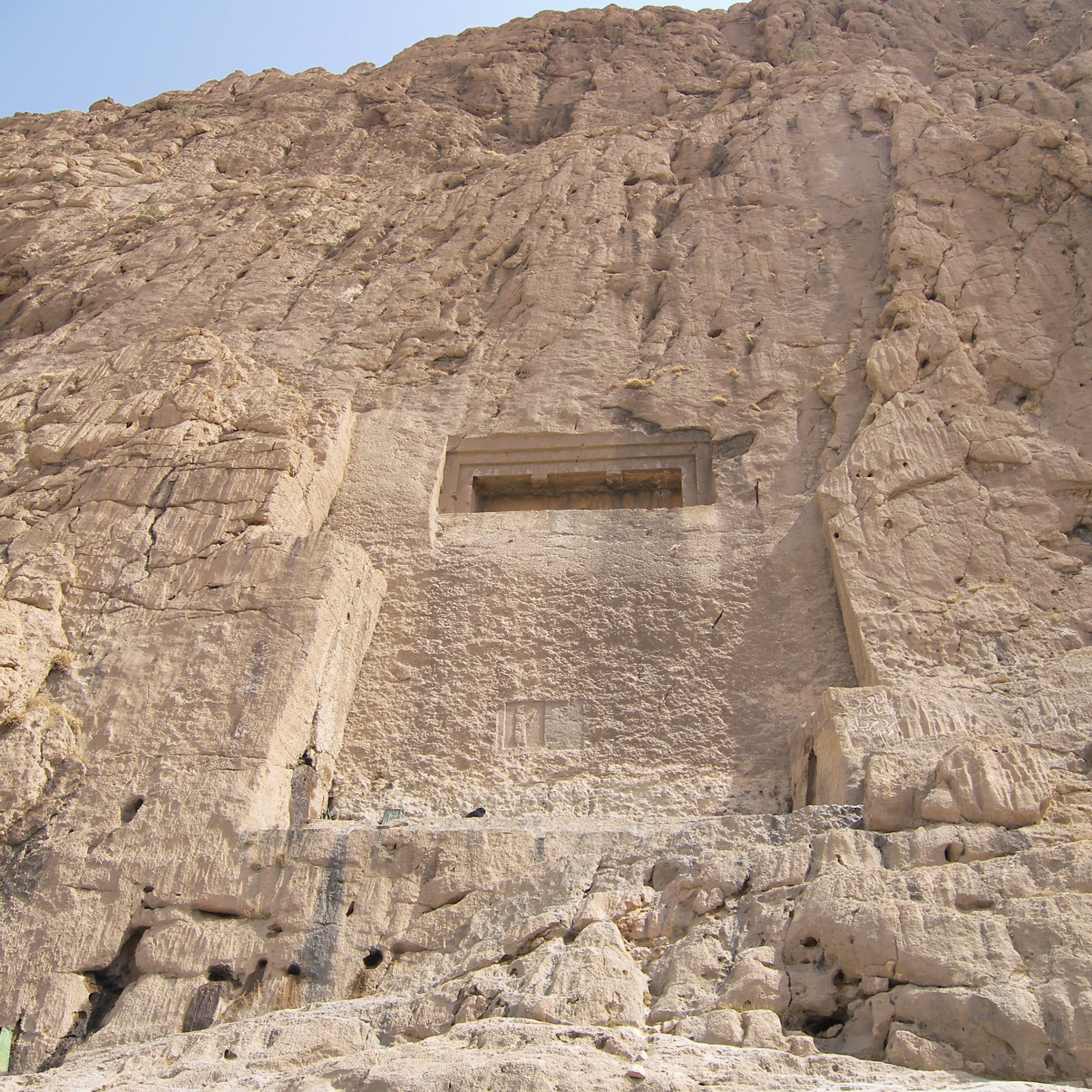
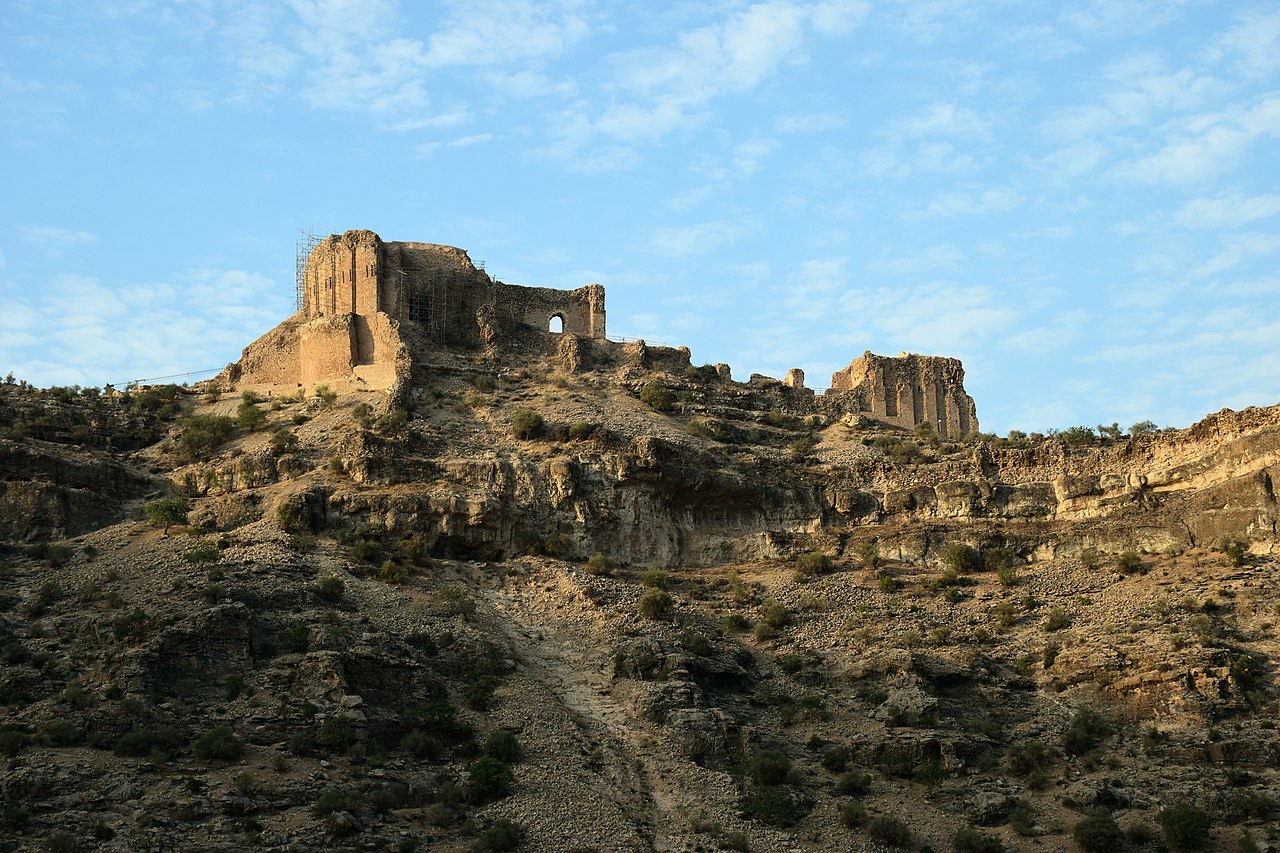
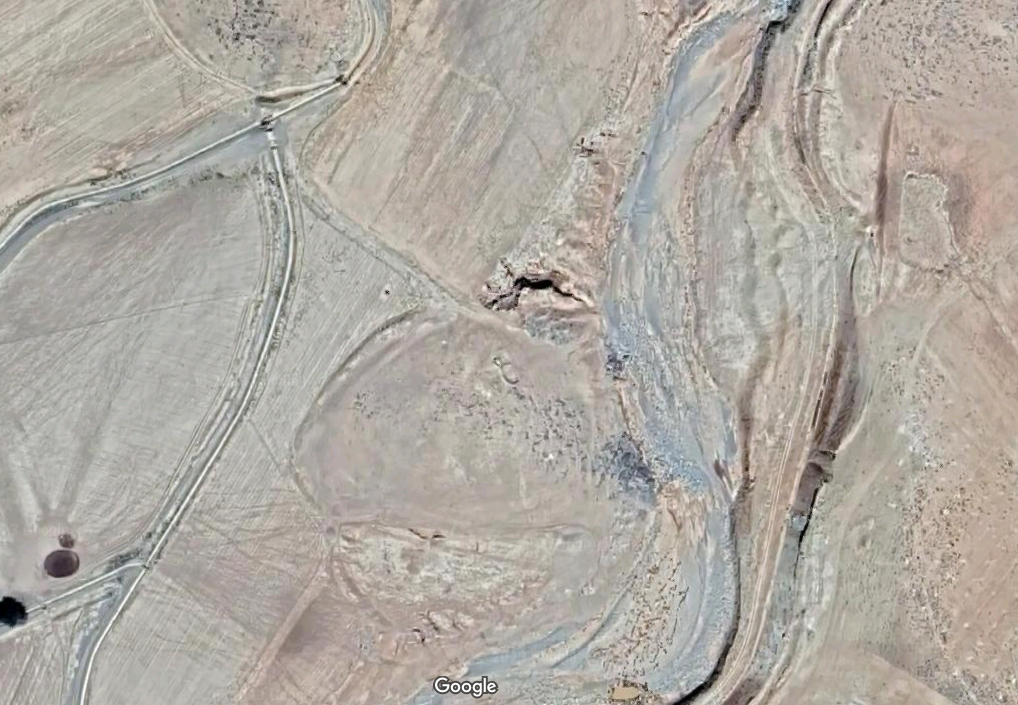
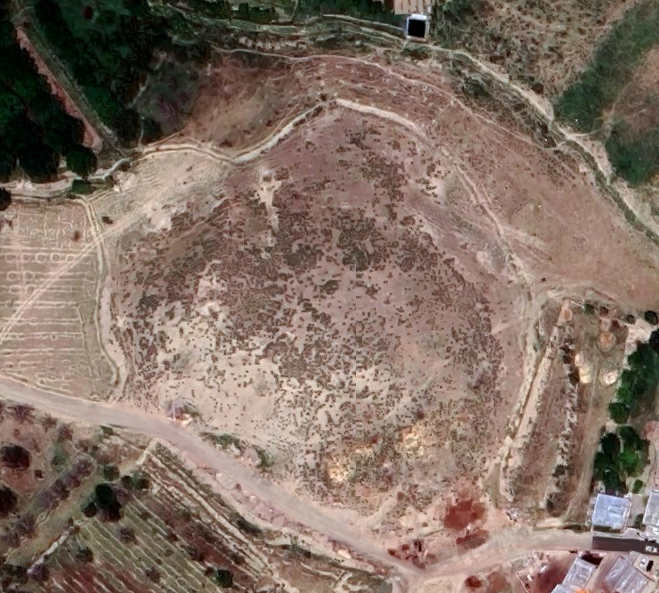
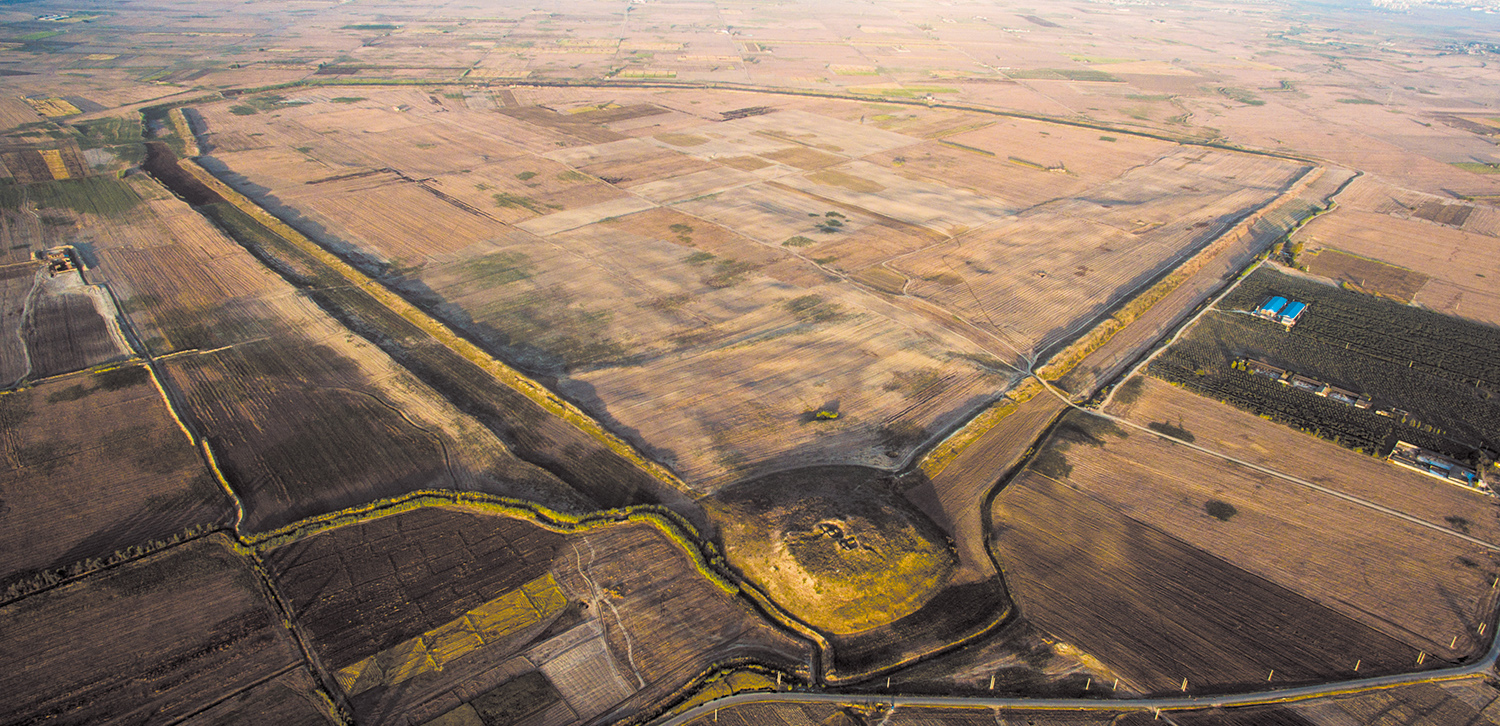
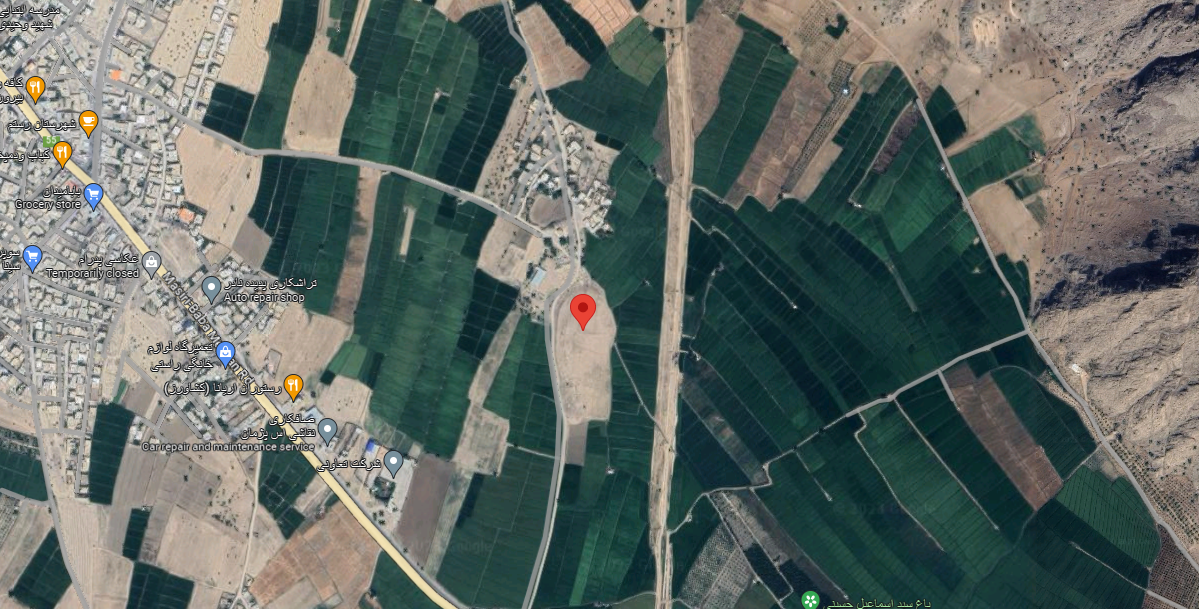
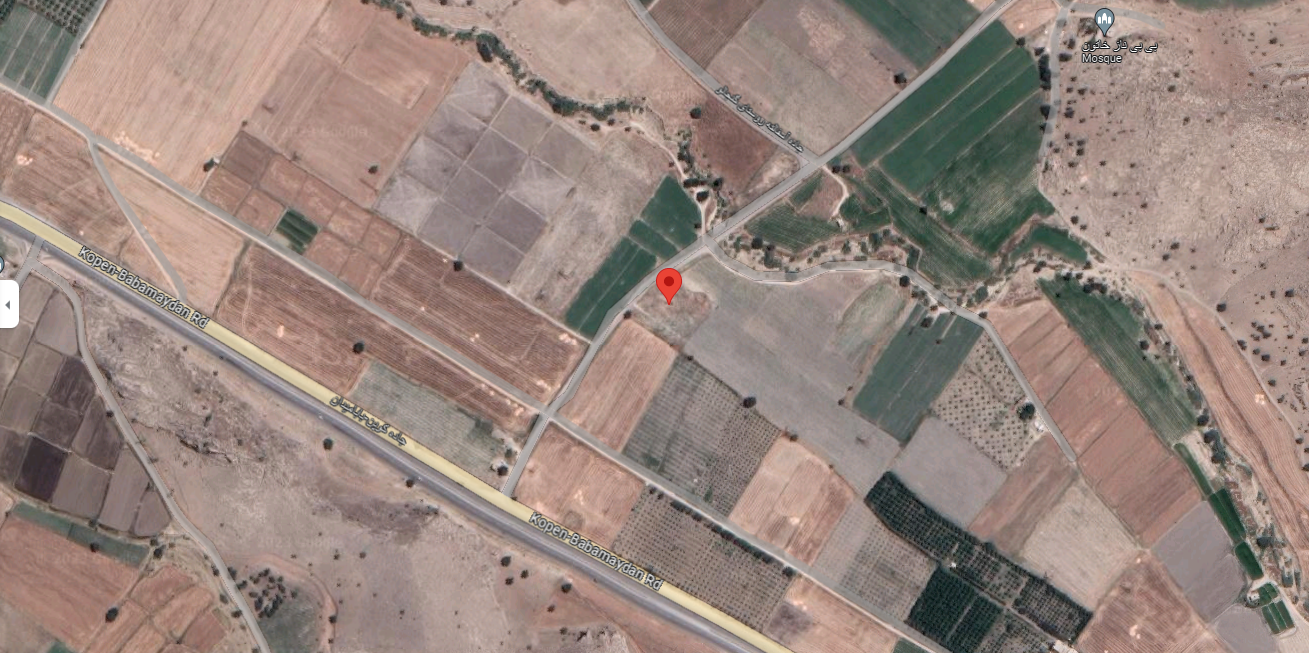
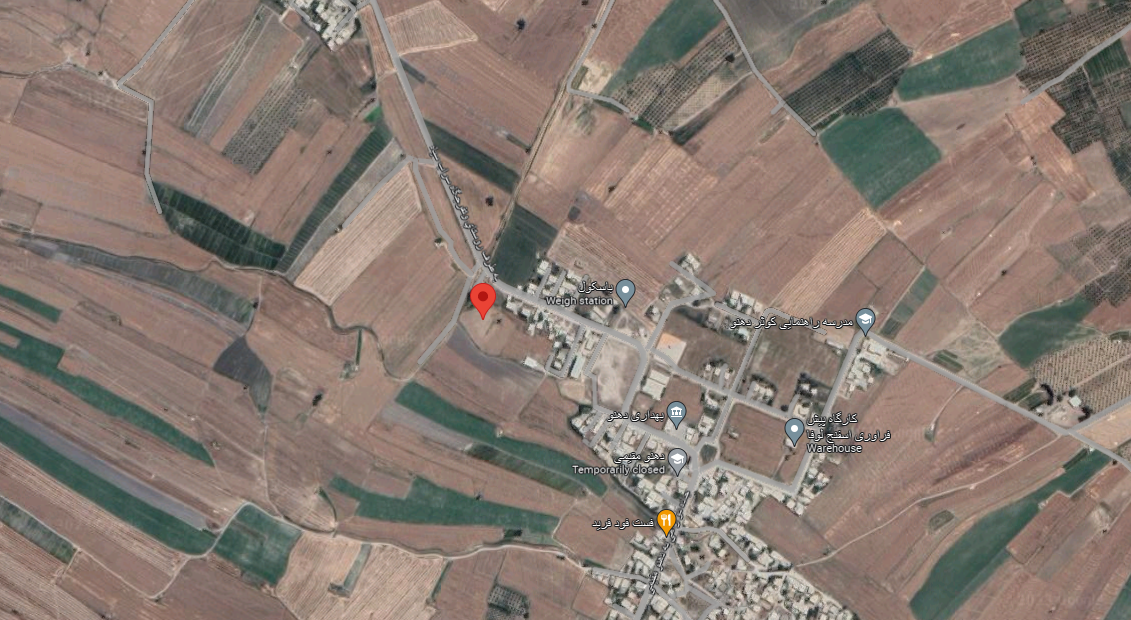
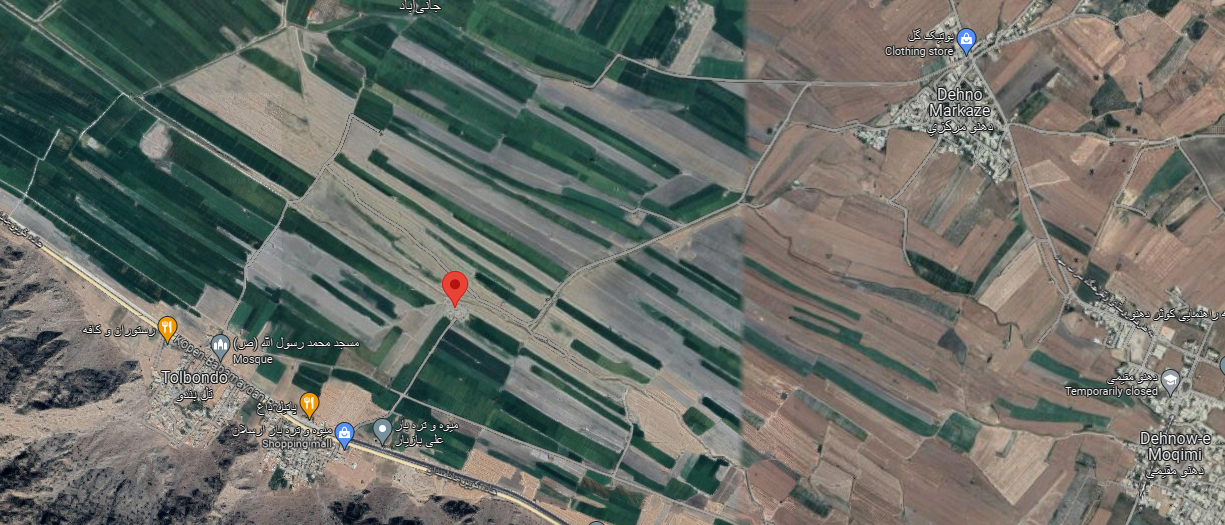
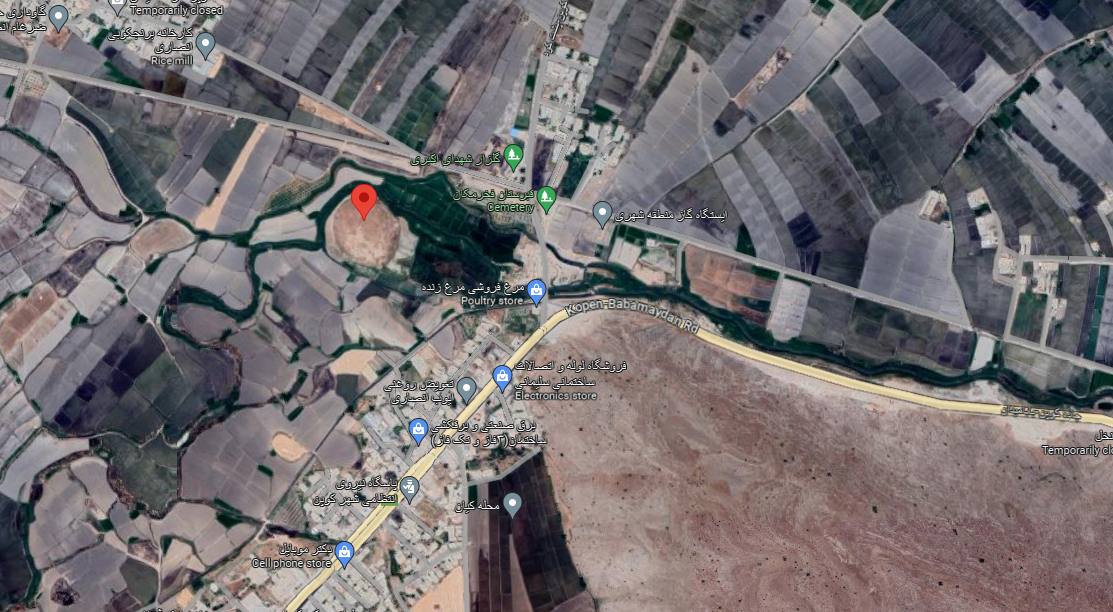
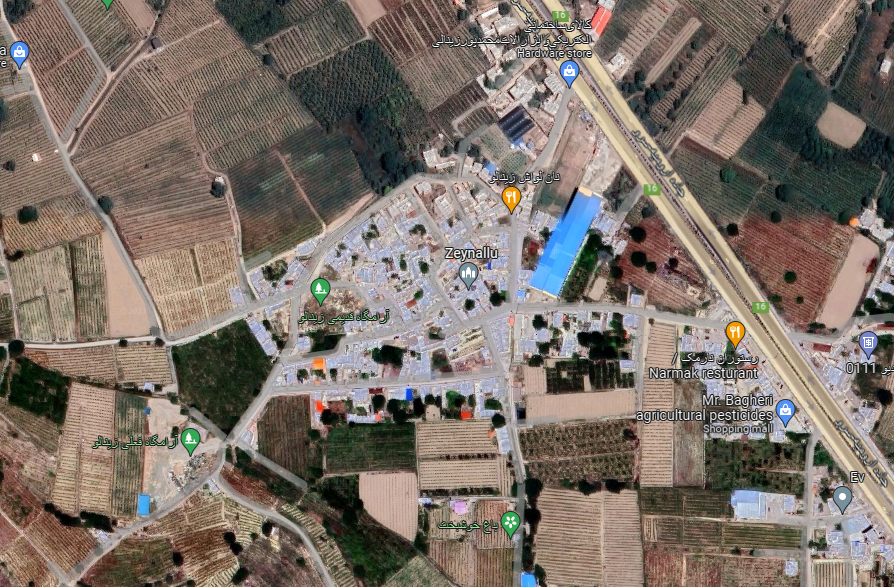
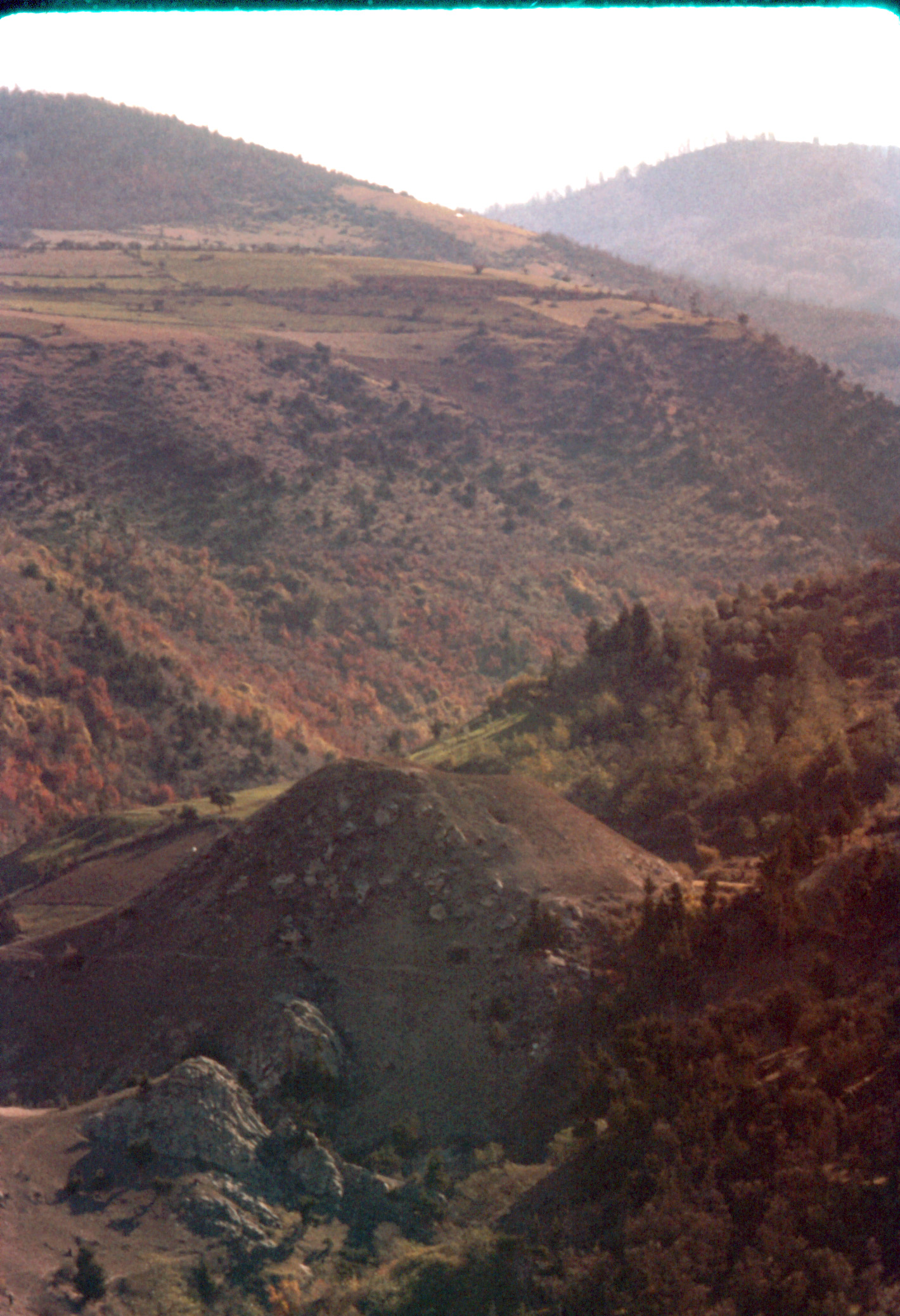
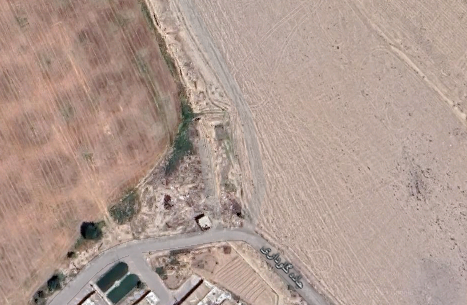
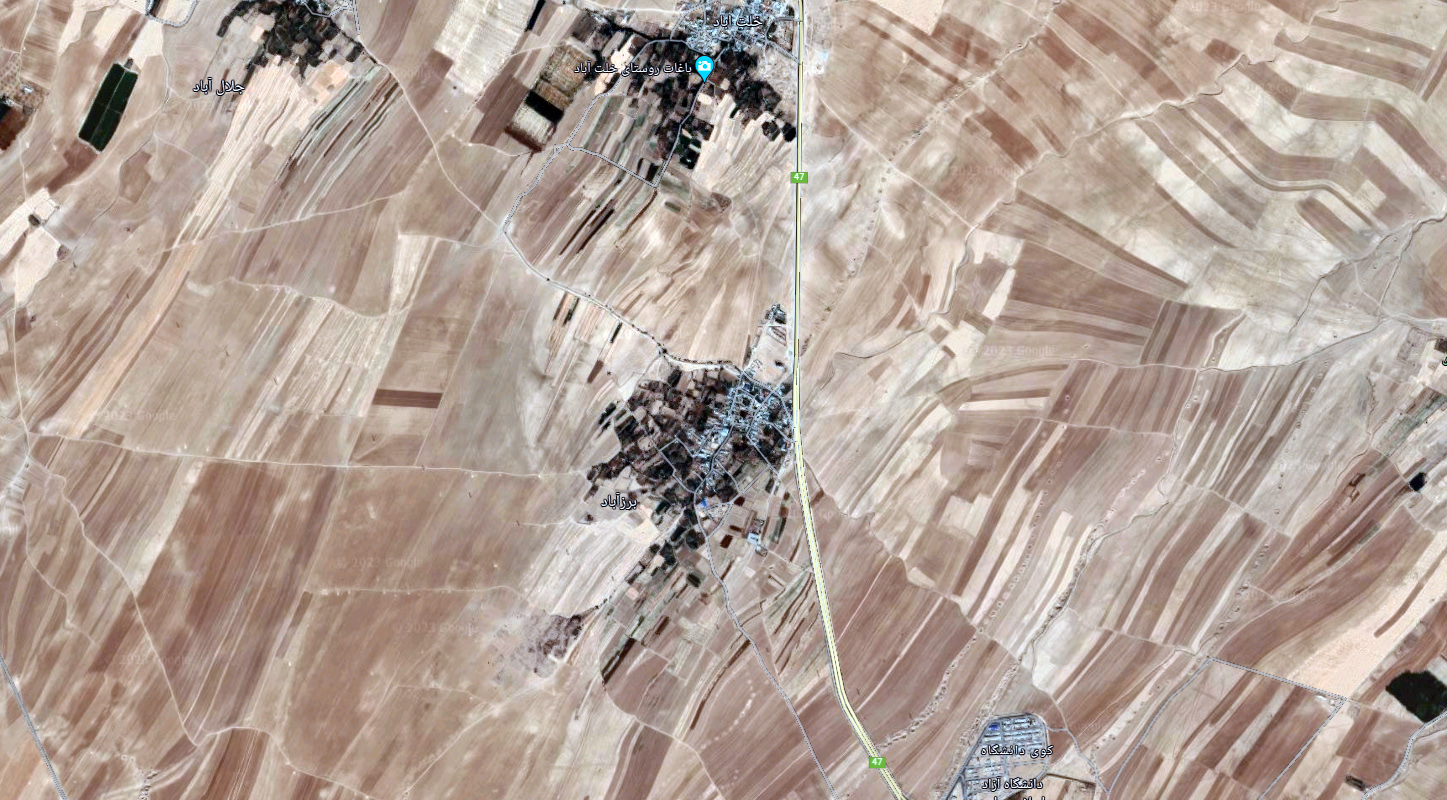
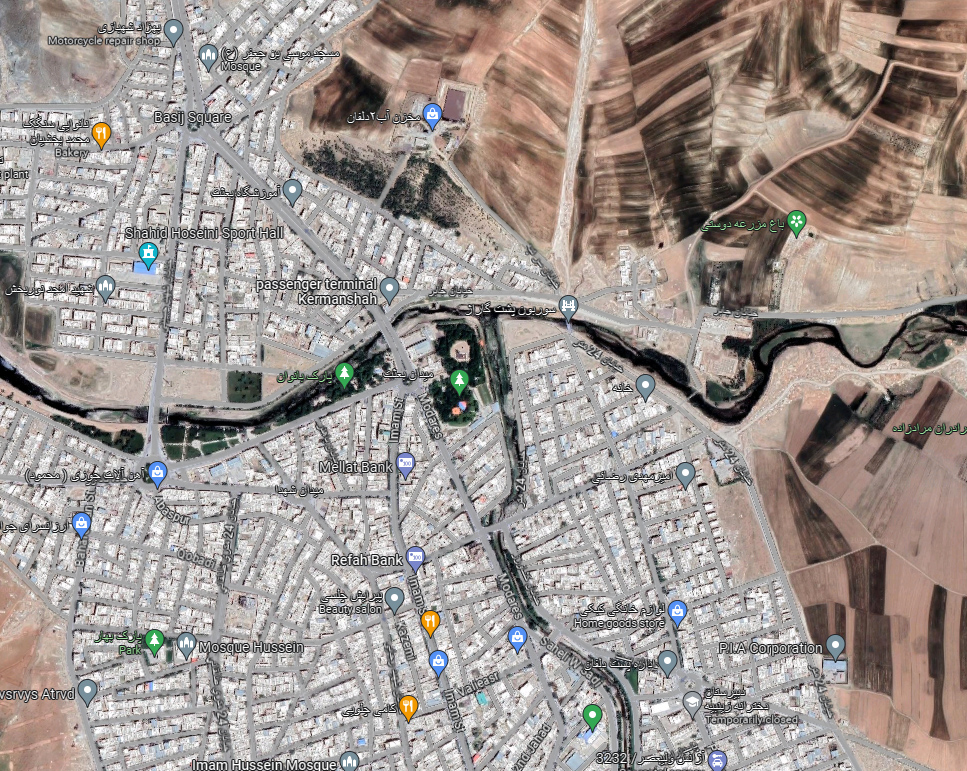
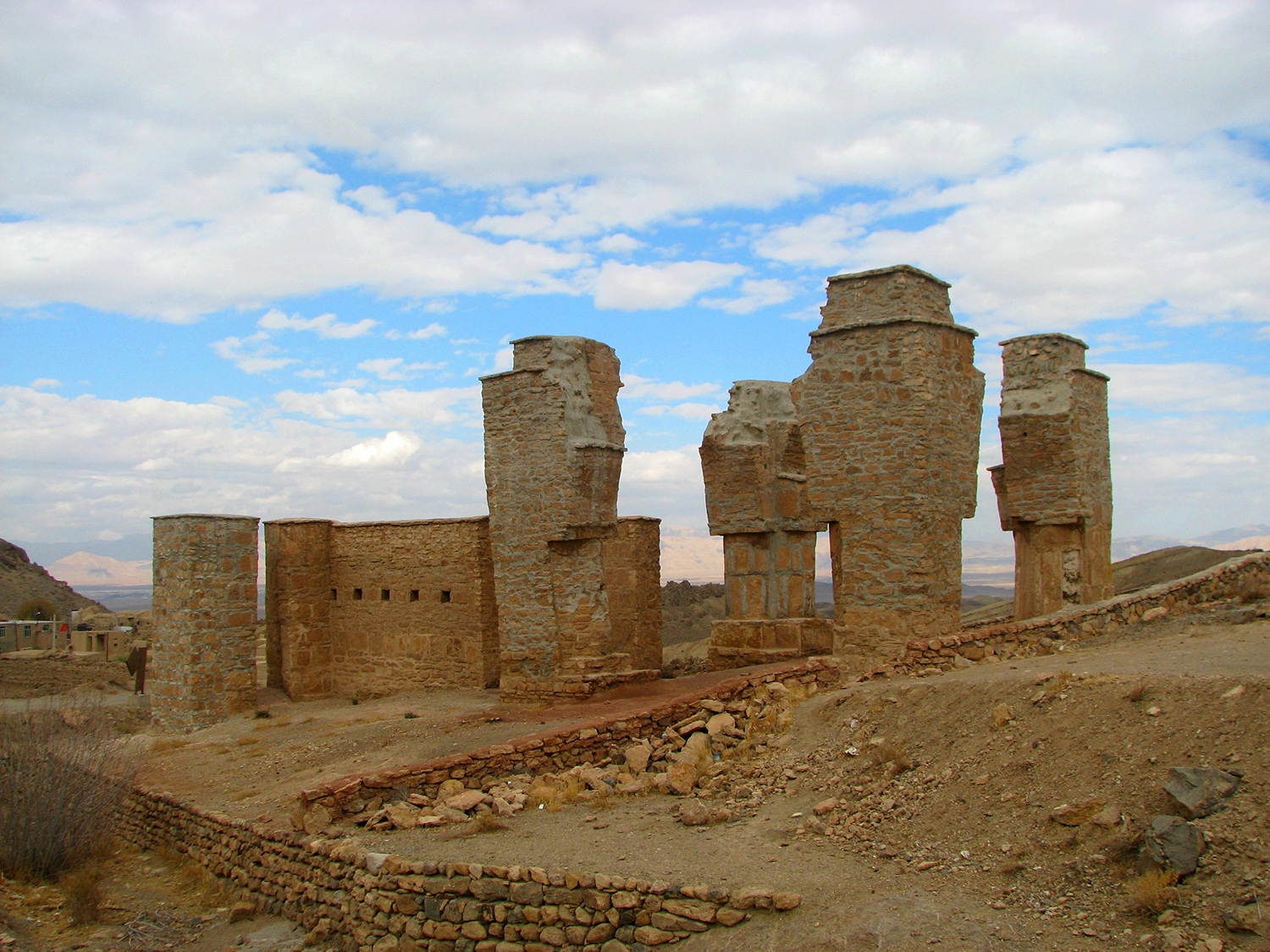
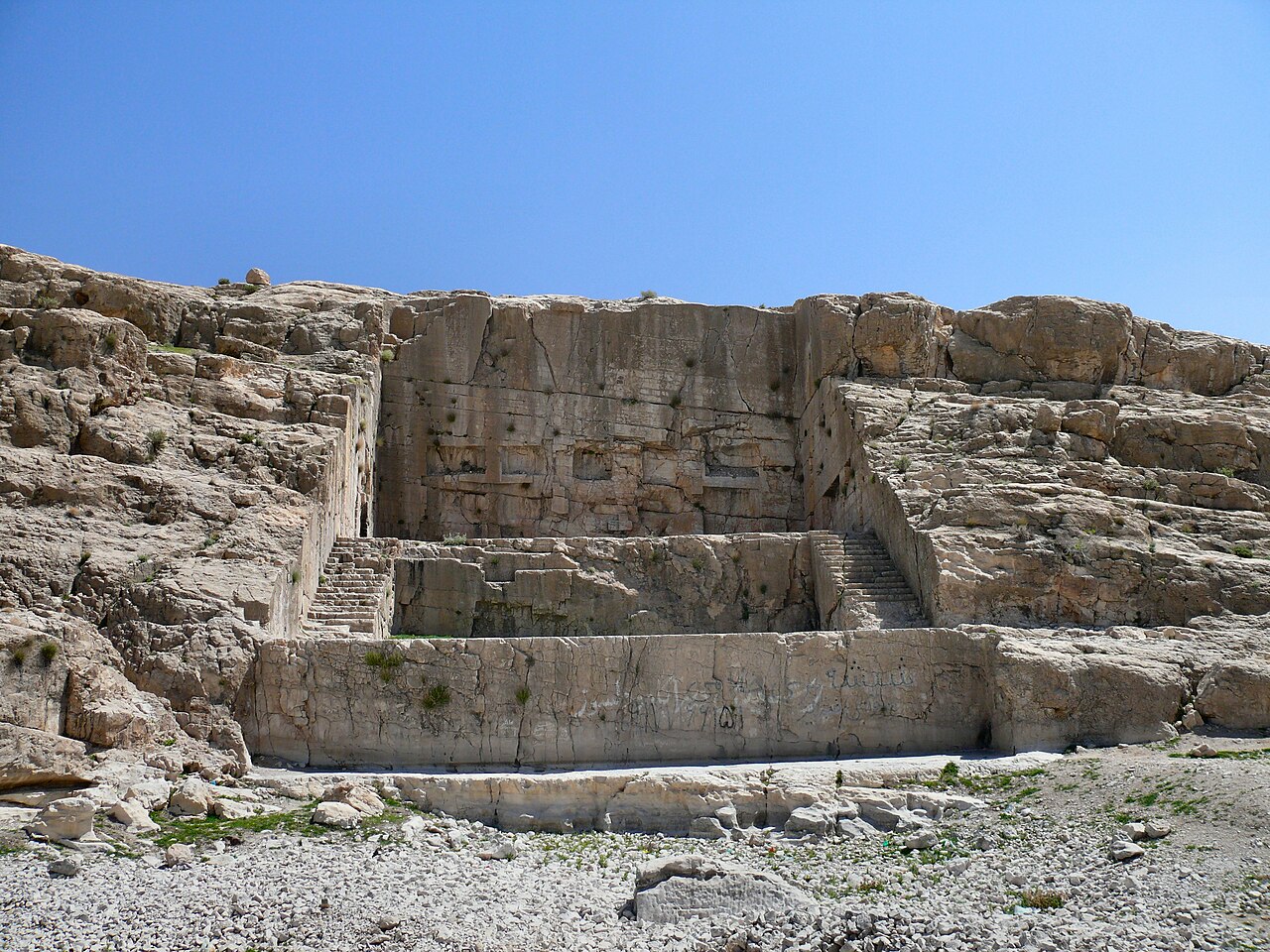
Dōkkān-e Dāvud is a rock-cut tomb situated 3 km south of Sar-e Pol-e Zohāb, Kermanshah Province, in western Iran.
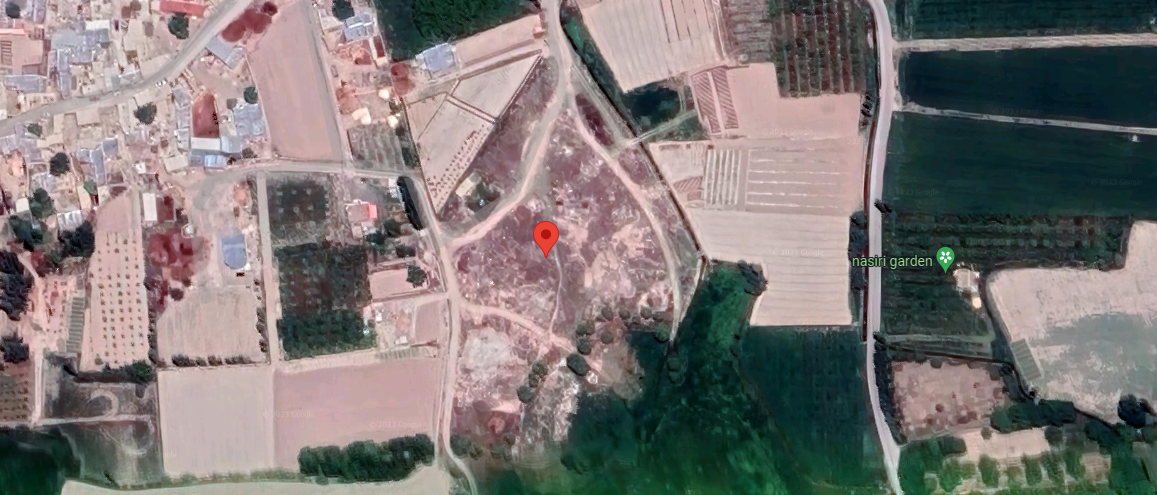
Map
Historical Period
Achaemenid, Seleucid
History and decsription
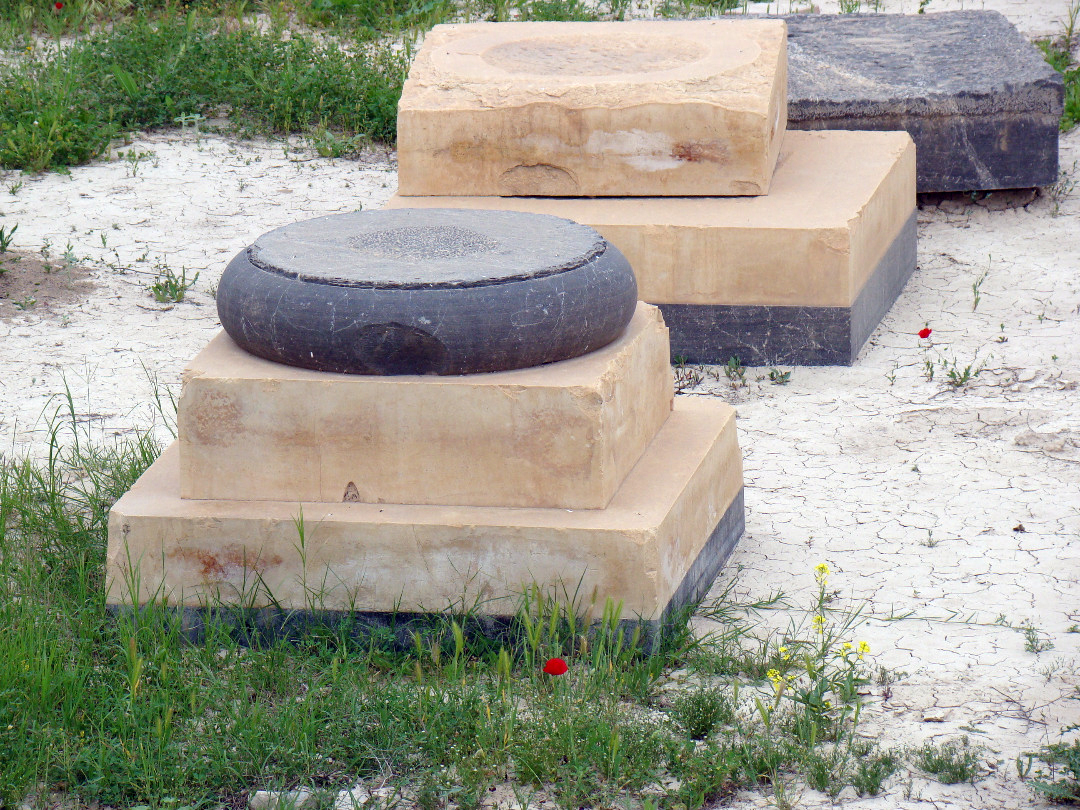
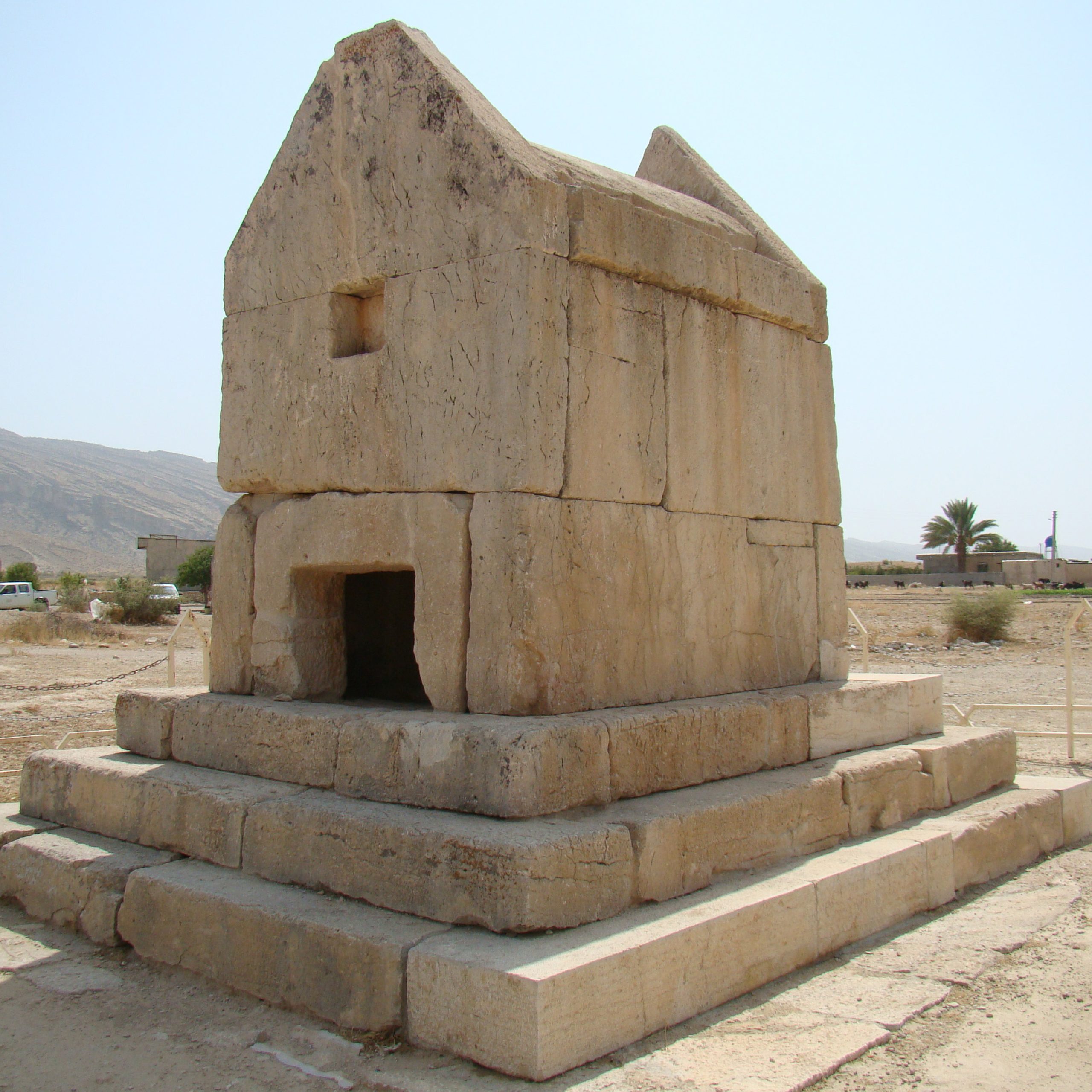
Dōkkān-e Dāvud (“David’s Shop”) is a rock-cut tomb situated 3 km south of Sar-e Pol-e Zohāb. The tomb is carved into the mountainside at a height of 12 m above the ground. The entire decorated façade is 7 m and has a rectangular doorway, framed by a series of progressively recessed bands. Inside, there is a funerary chamber containing a bench for the interment of the deceased. The 7-meter-wide portico. On either side of the entrance, the bases and capitals of two columns are still visible, although their shafts have collapsed under the pressure of the rock. The doorway leads into the simple burial chamber, which measures 2.40 × 3.50 x 3.50 m. To the left, the sole burial place is recessed into the floor. Three small niches for lamps are cut into the rear wall. In the absence of any trace of a tomb cover or lid, Herzfeld inferred that it must have been larger than the doorway and therefore could only have been carved in situ from the bedrock.
A few meters below the tomb, on a smoothed section of the rock face, is a bas-relief locally known as the Kāl-e Dāvud (“Stele of David”). It depicts a priest or worshipper wearing a Persian tiara and an ancient Elamite-style garment and holding a ritual barsam—a bundle of twigs or branches used in religious ceremonies; his right hand is raised in a gesture of adoration. The rock-relief seems to postdate the construction of the tomb.
Archaeological Exploration
Henry Rawlinson first visited the rock-cut tomb of Dōkkān-e Dāvūd in 1836 and compared it with Achaemenid rock-cut tombs, particularly the bas-reliefs on the jambs of the so-called Frataraka temple near Persepolis. As for the monument’s name, Rawlinson writes that followers of the Ali-Allahi sect believe David, a biblical king, took up the calling of a smith. The broken shafts are regarded as his anvils, while the part of the tomb enclosed by the low partition is thought to be a reservoir containing the water he uses to temper his metal.
Flandin and Coste published the first illustration of the monument in their Voyage en Perse in 1851. In the 1890s, Jacque de Morgan, French prehistorian and archaeologist, took the first photographs of the monument and attributed it to the Achaemenid period.
Ernst Herzfeld carried out a substantial study and documentation of the monument in his Am Tor von Asien, published in 1920. Herzfeld believed that both the monument’s name and architectural style provided evidence for a Pre-Achaemenid date. He argues that at Dōkkān-e Dāvūd, the Old Testament figure is subordinated to the Iranian legendary figure of Tahmūres, father of Jamshid, who defeated the divs (demons). He thinks that the legend thus points to a period earlier than that of the Achaemenid kings, thereby aligning with a date of the monument in the Median period. Later studies by Hubertus von Gall challenged Herzfeld’s dating of the monument, which is now considered to date to the late Achaemenid or Post-Achaemenid period.
Bibliography
Flandin, E. and P. Coste, Voyage en Perse, vol. I, Paris, 1851, pls. 210-211.
Herzfeld, E., Am Tor von Asien, pp. 6-8, fig. 3, pls V-VI
Herzfeld, Iran in the Ancient East, p. 201, pl. XXVI, fig. 315.
Morgan, J. de, Mission scientifique en Perse, vol. 4. Recherches archéologiques, Paris, 1896, p. 299, figs. 177-178, pl. 31.
Rawlinson, H. C., “March from Zohab to Khuzistan,” Journal of the Royal Geographical Society, vol. 9, 1840, pp. 38-39.
Vanden Berghe, L., L’archéologie de l’Iran ancien, Leiden, 1959, p. 103, fig. 31, pl. 125 (c-f).
Vanden Berghe, L., Reliefs rupestres de l’Iran ancien, Bruxelles, 1983, pp. 117-118.
Von Gall, H., “Zu den medischen Felsgräbern,” Archäologischer Anzeiger, 1966, pp. 23-25.
Von Gall, H., “Beobachtungen zu den sogenannten medischen Felsgräbern,” Proceedings of the 2nd Annual Symposium on Archaeological Research in Iran 1973, edited by F. Bagherzadeh, Tehran, 1974, pp. 139-1554.