Barm Delakبرم دلک
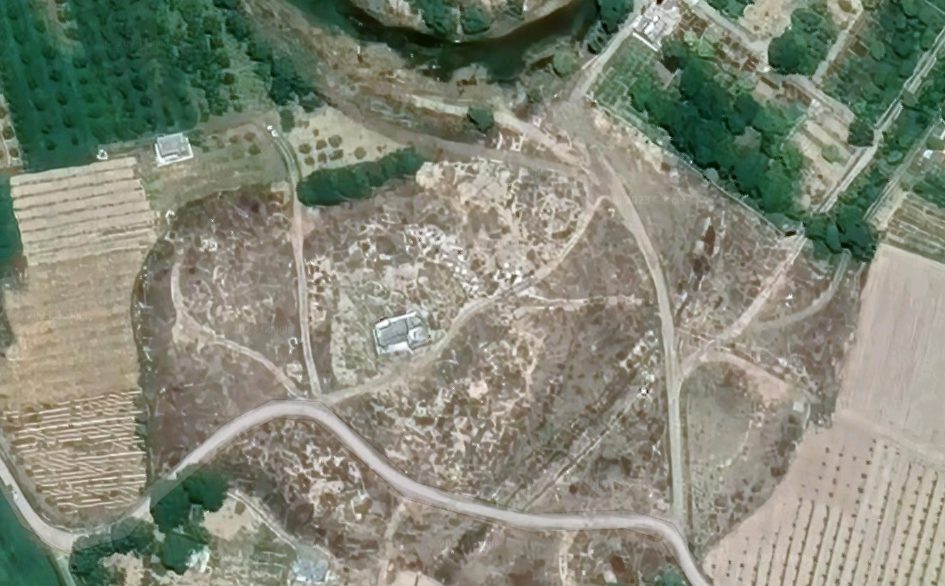
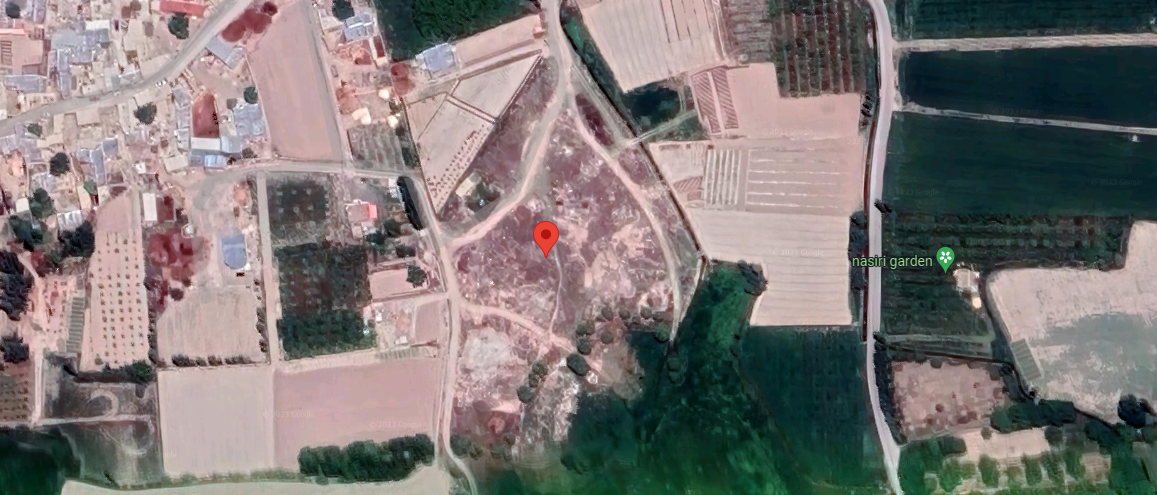
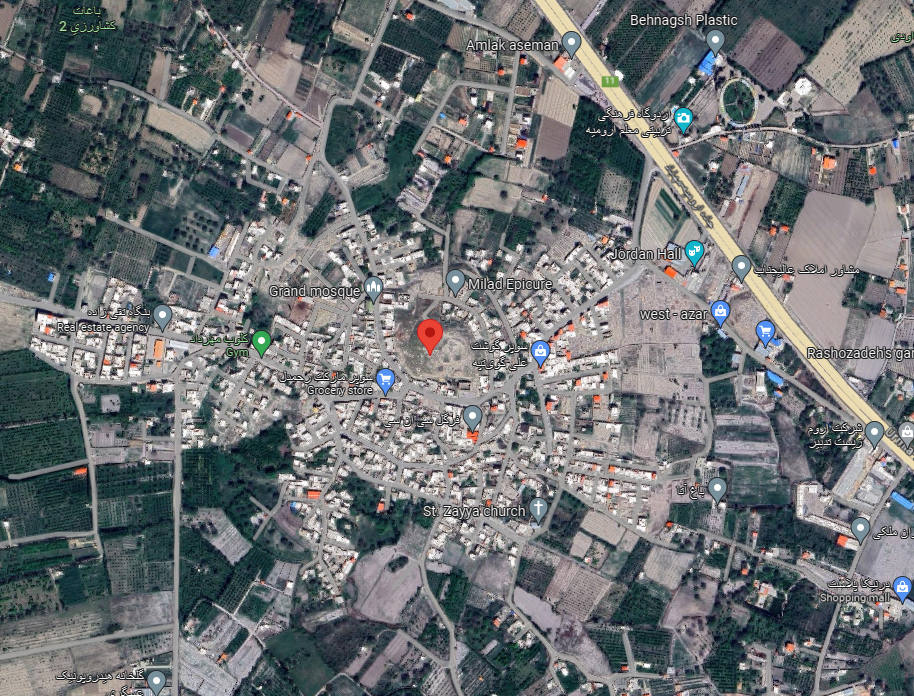
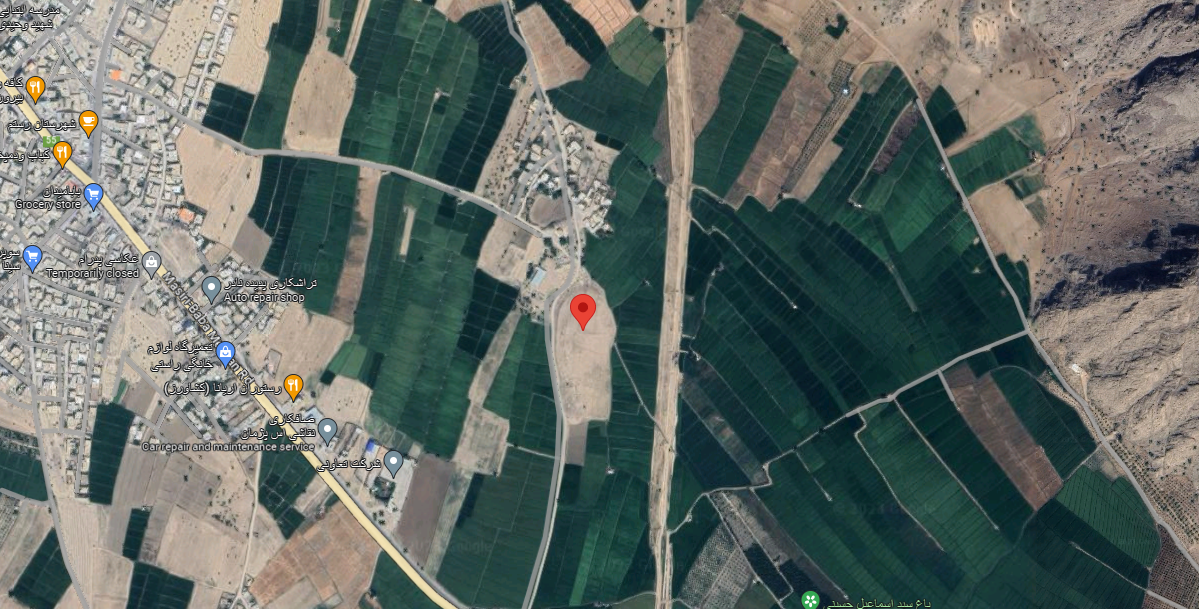
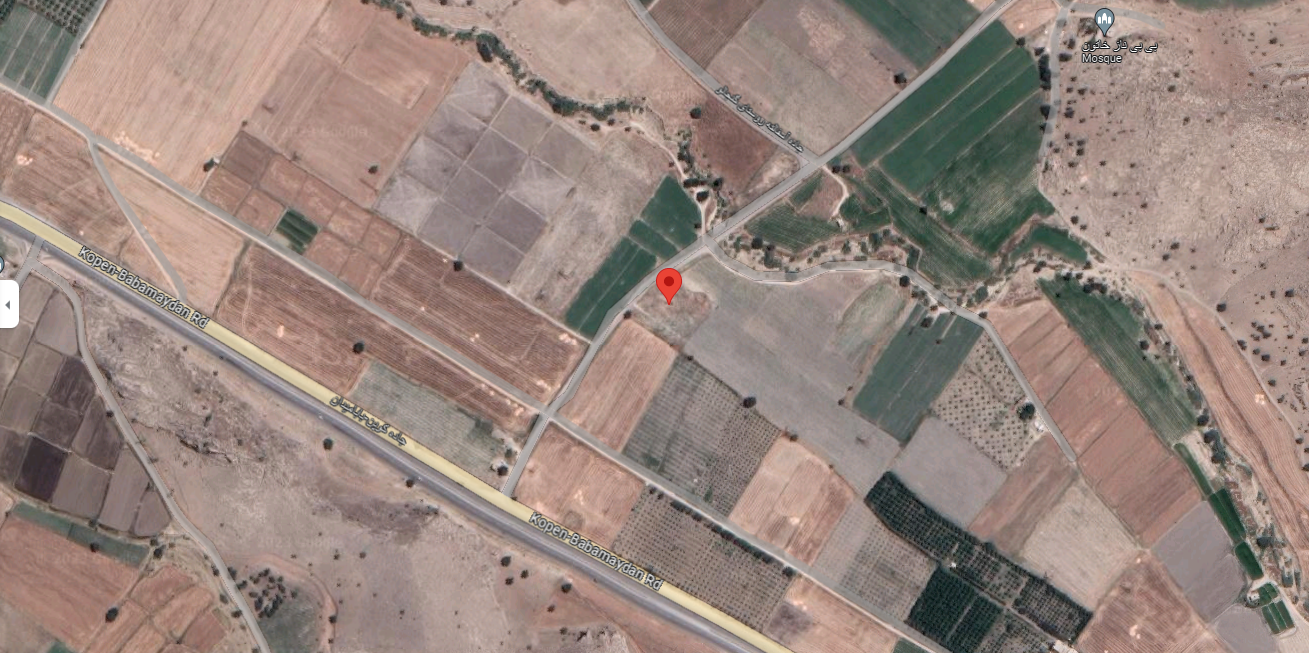
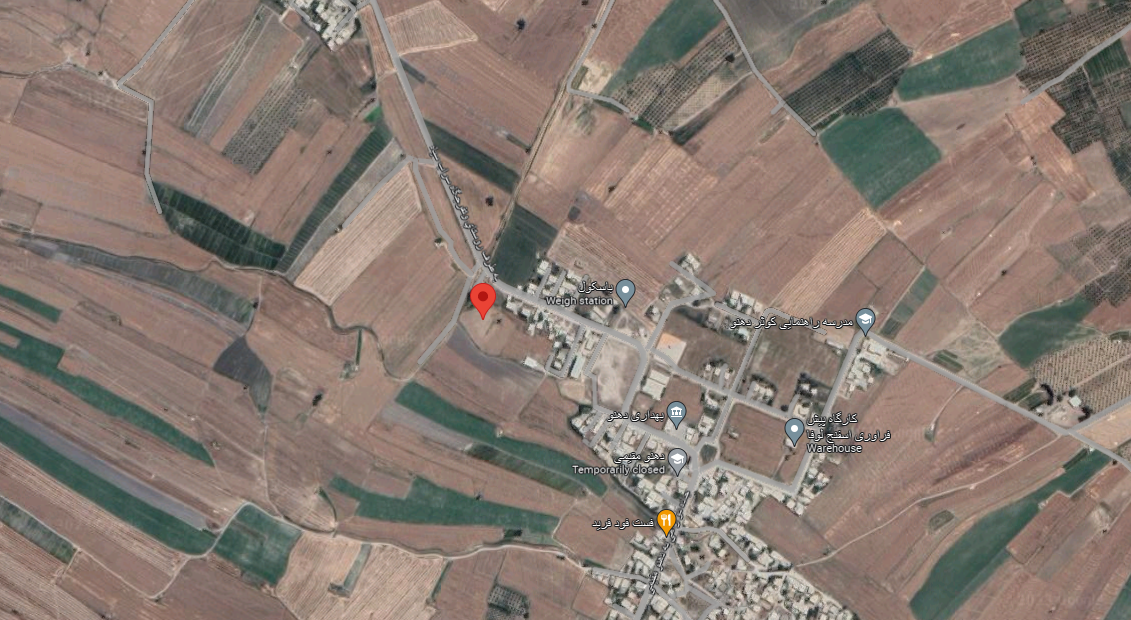
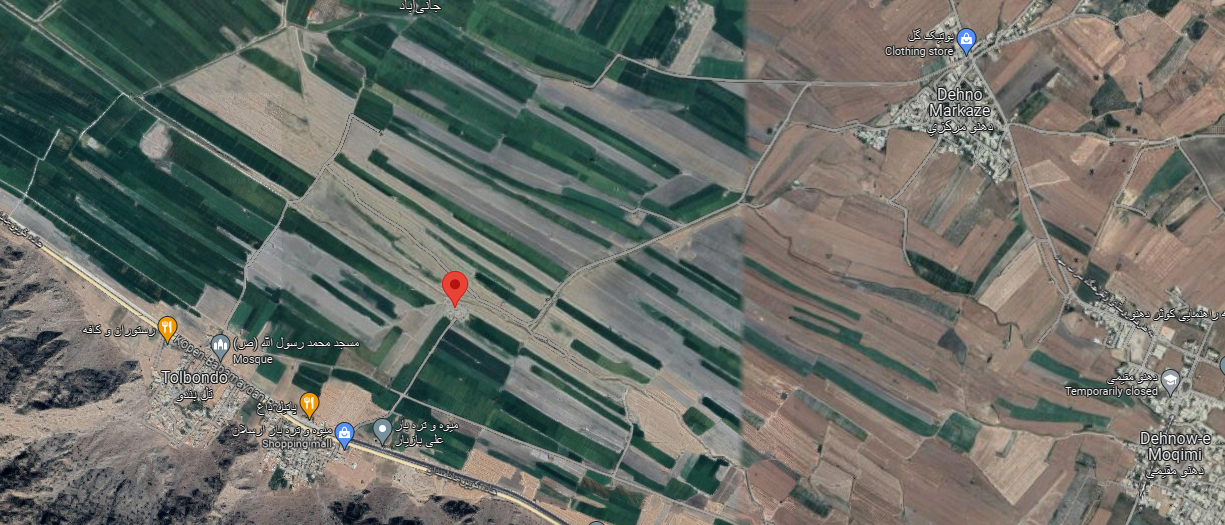
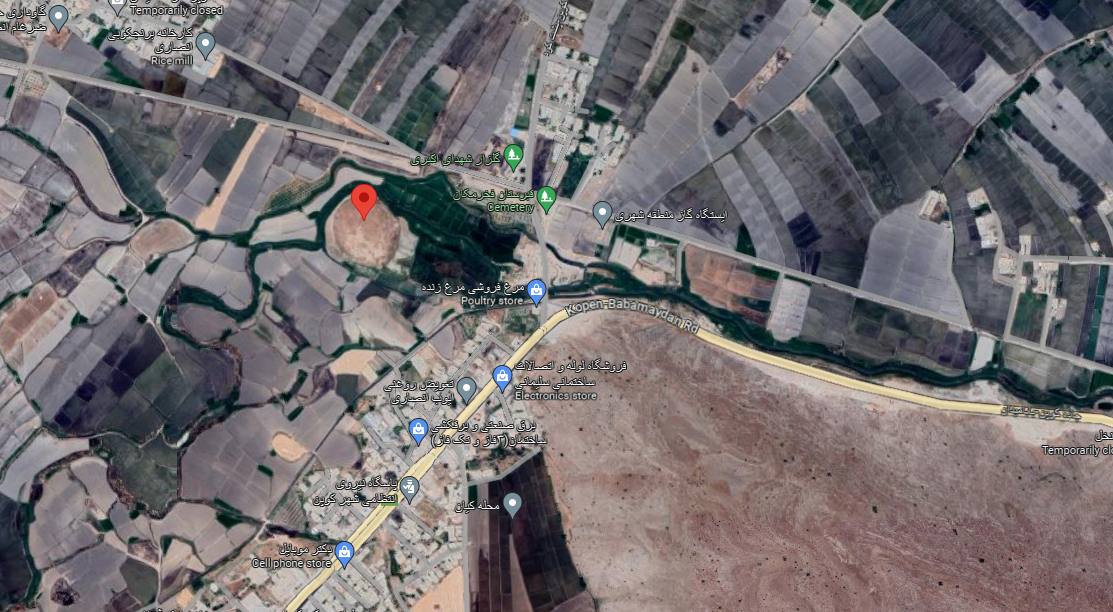
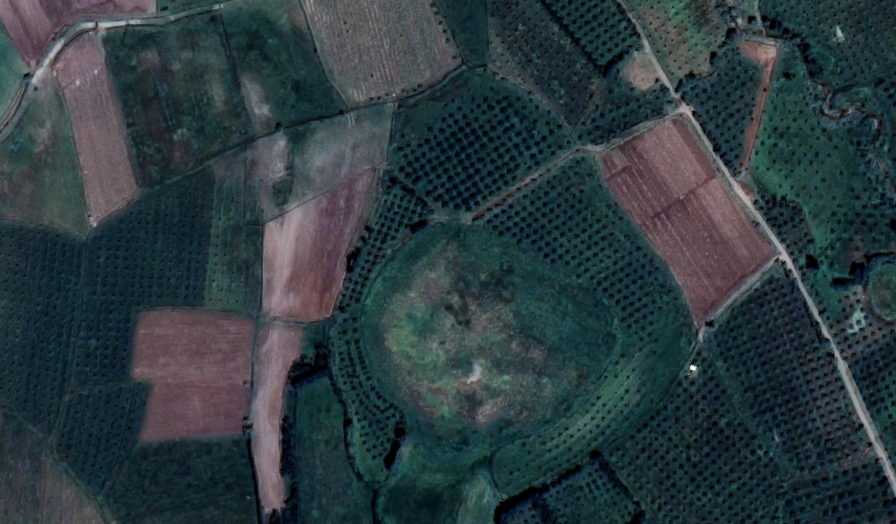
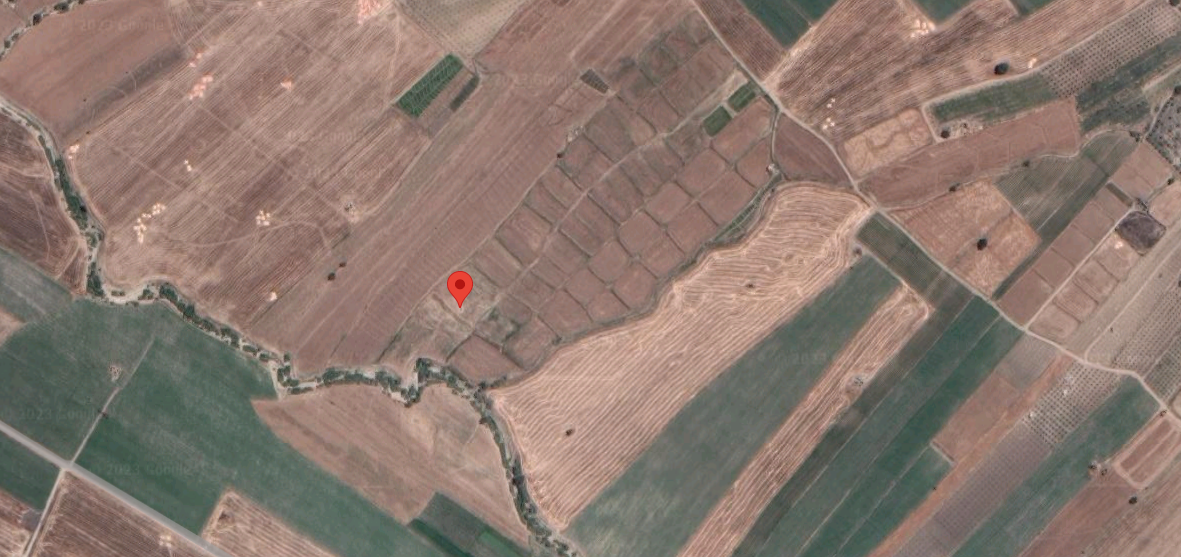
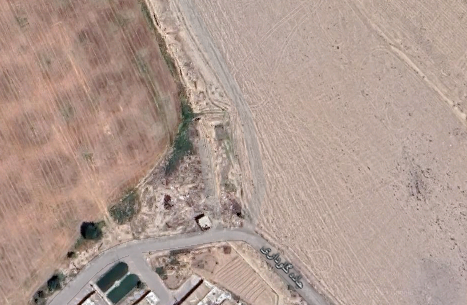
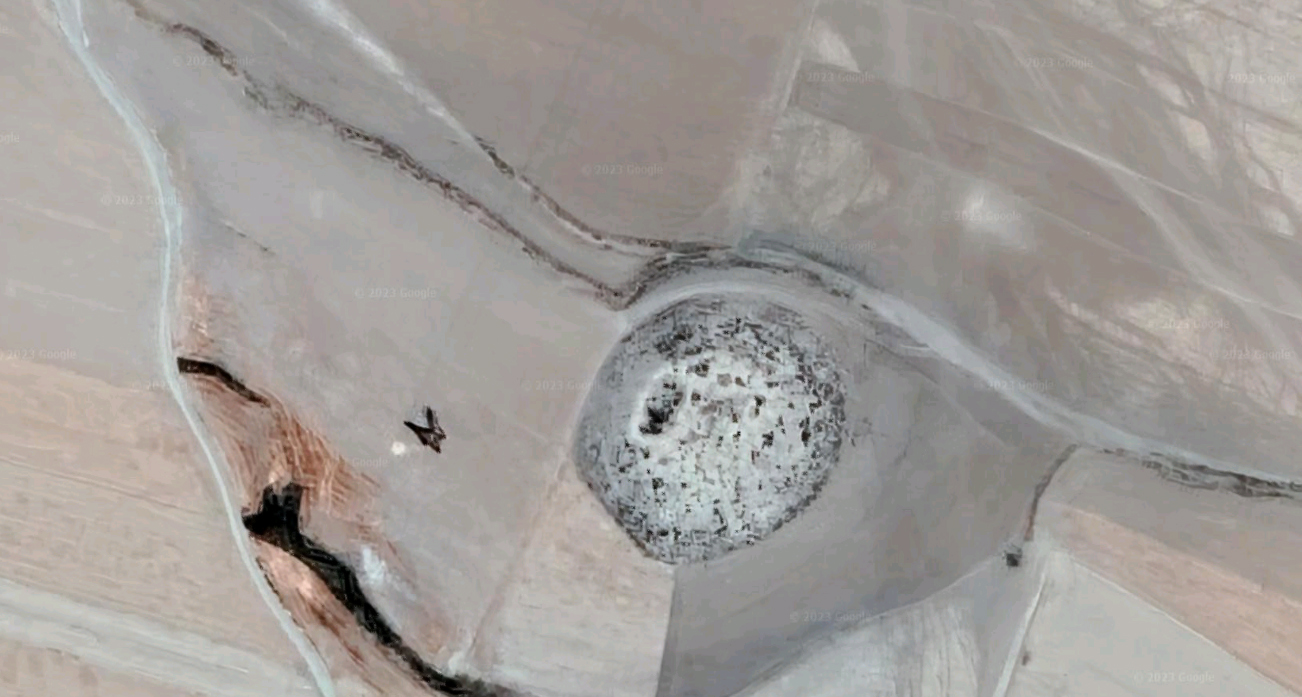
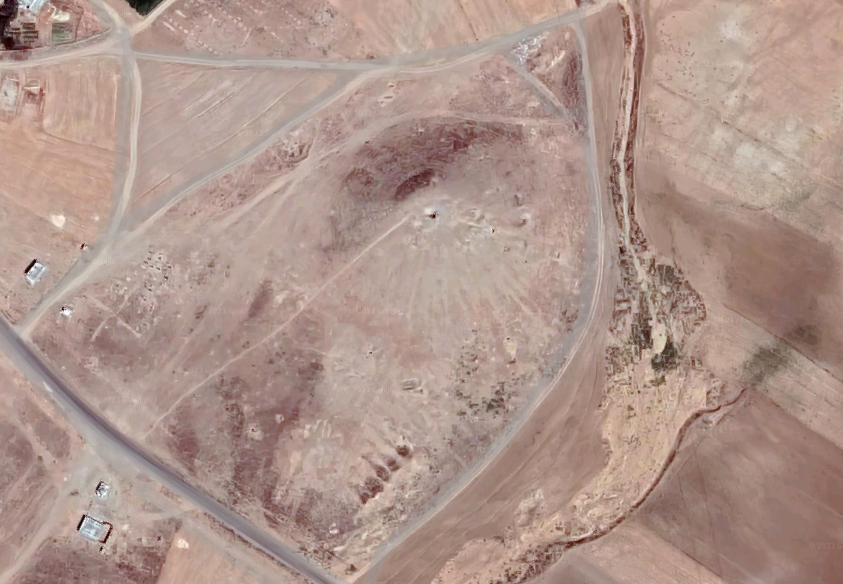
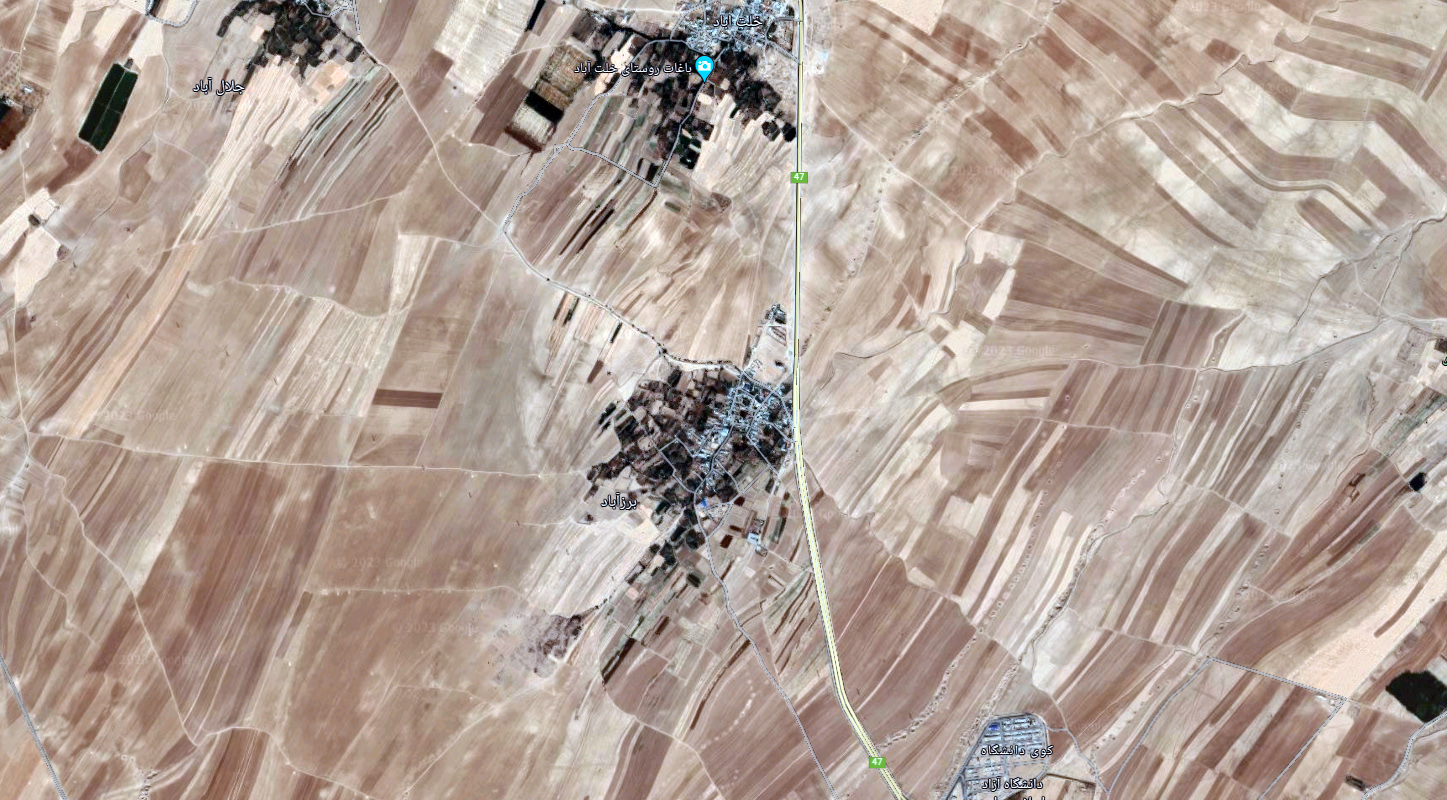
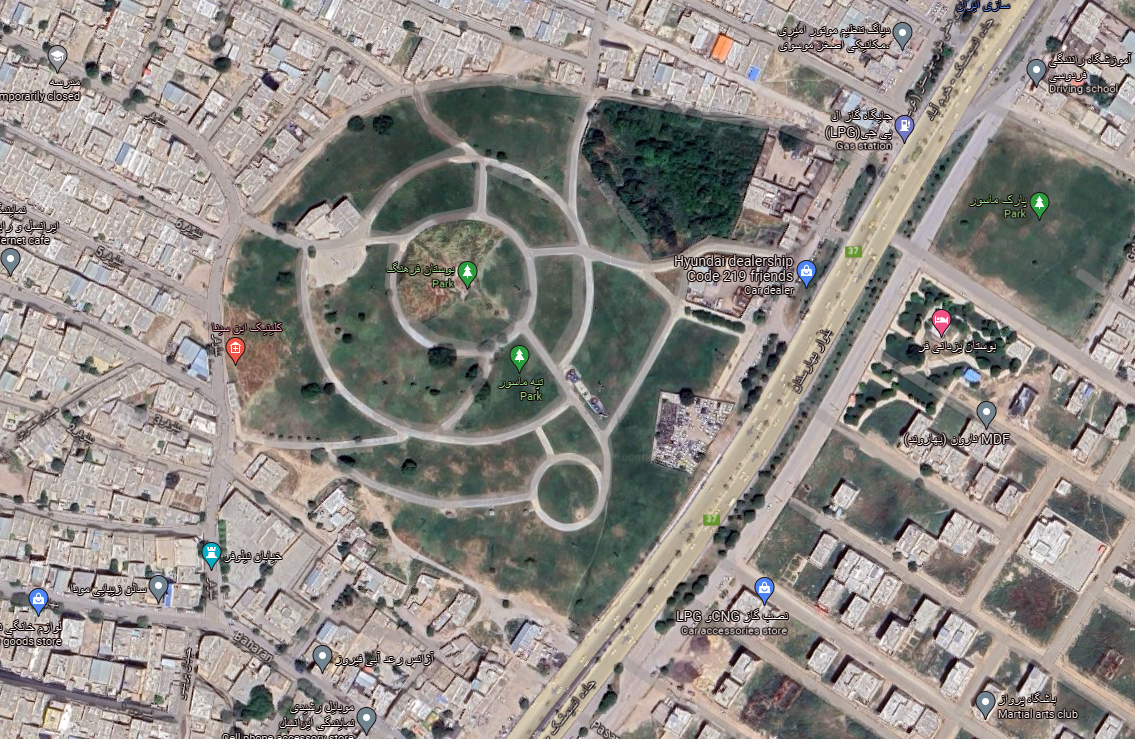
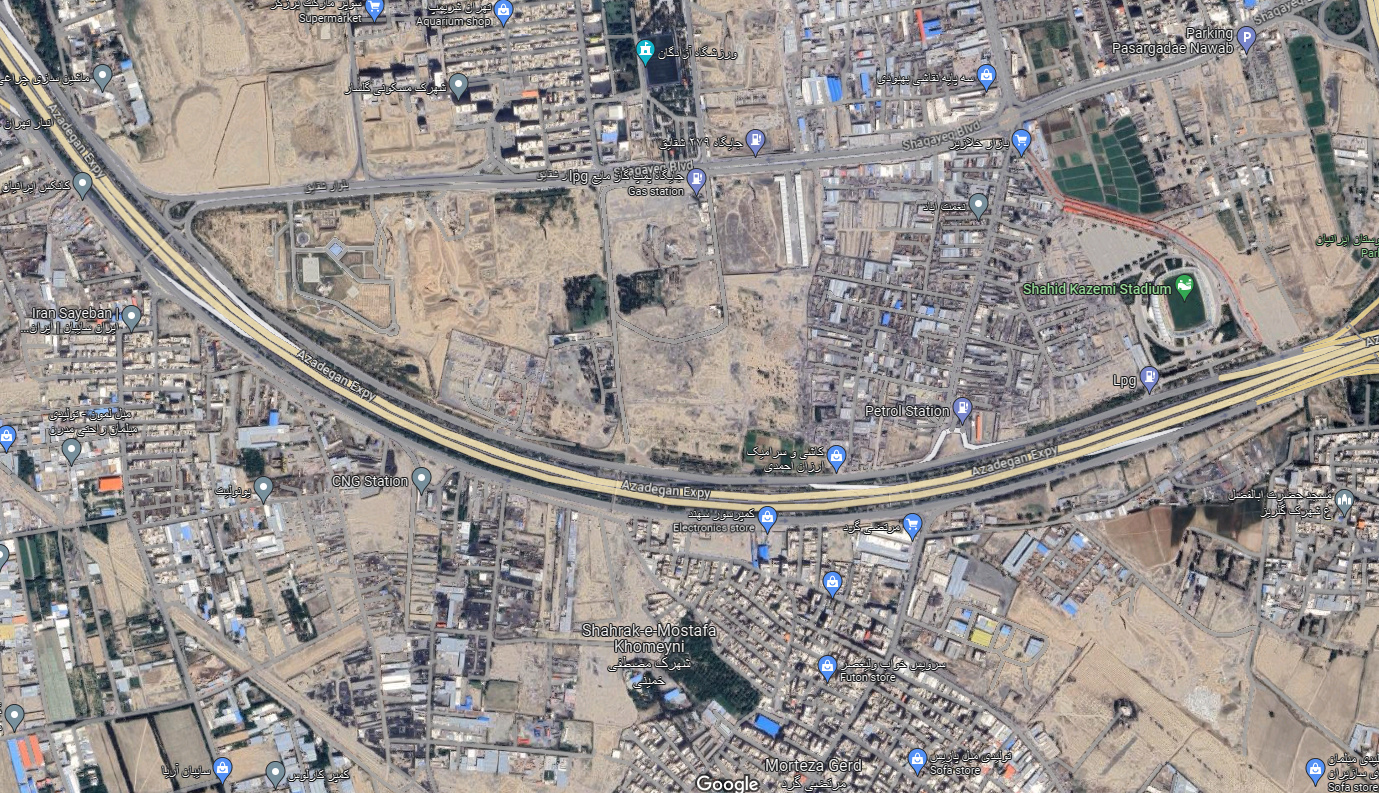
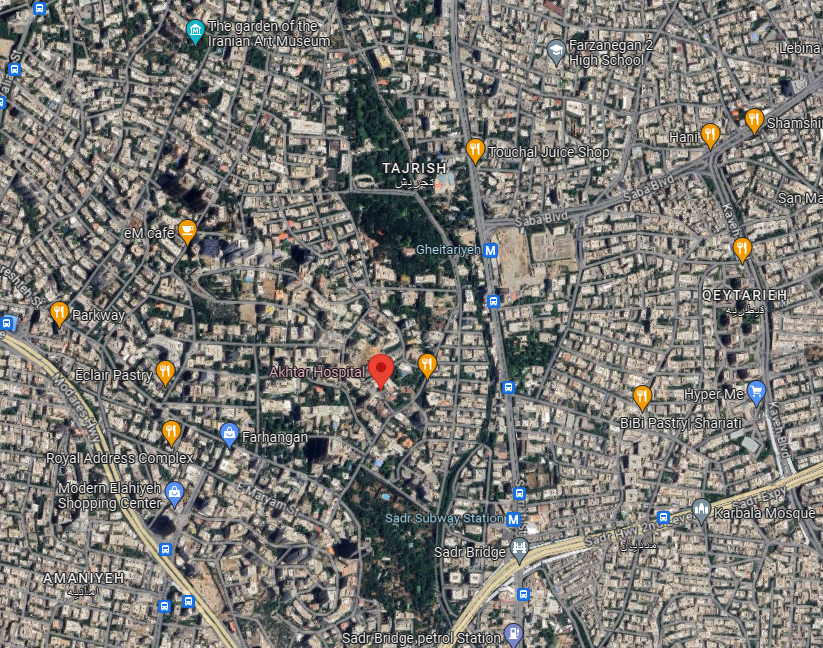
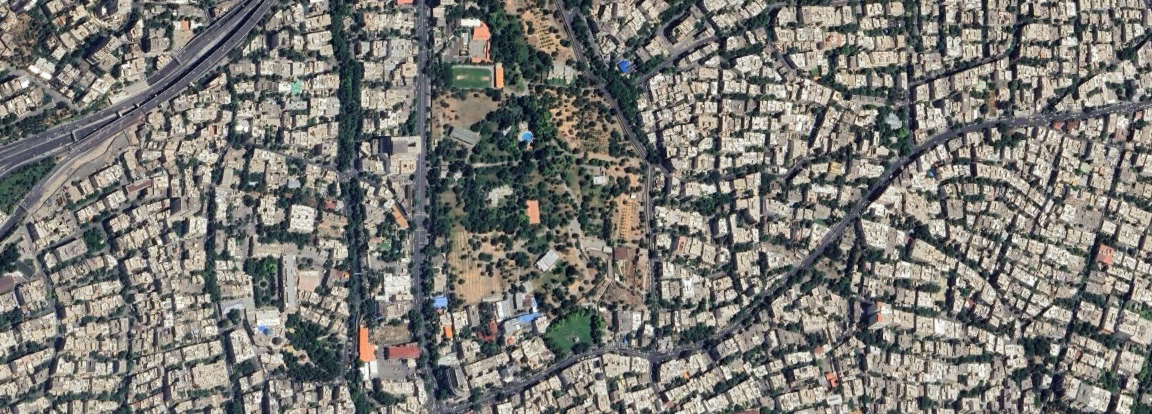
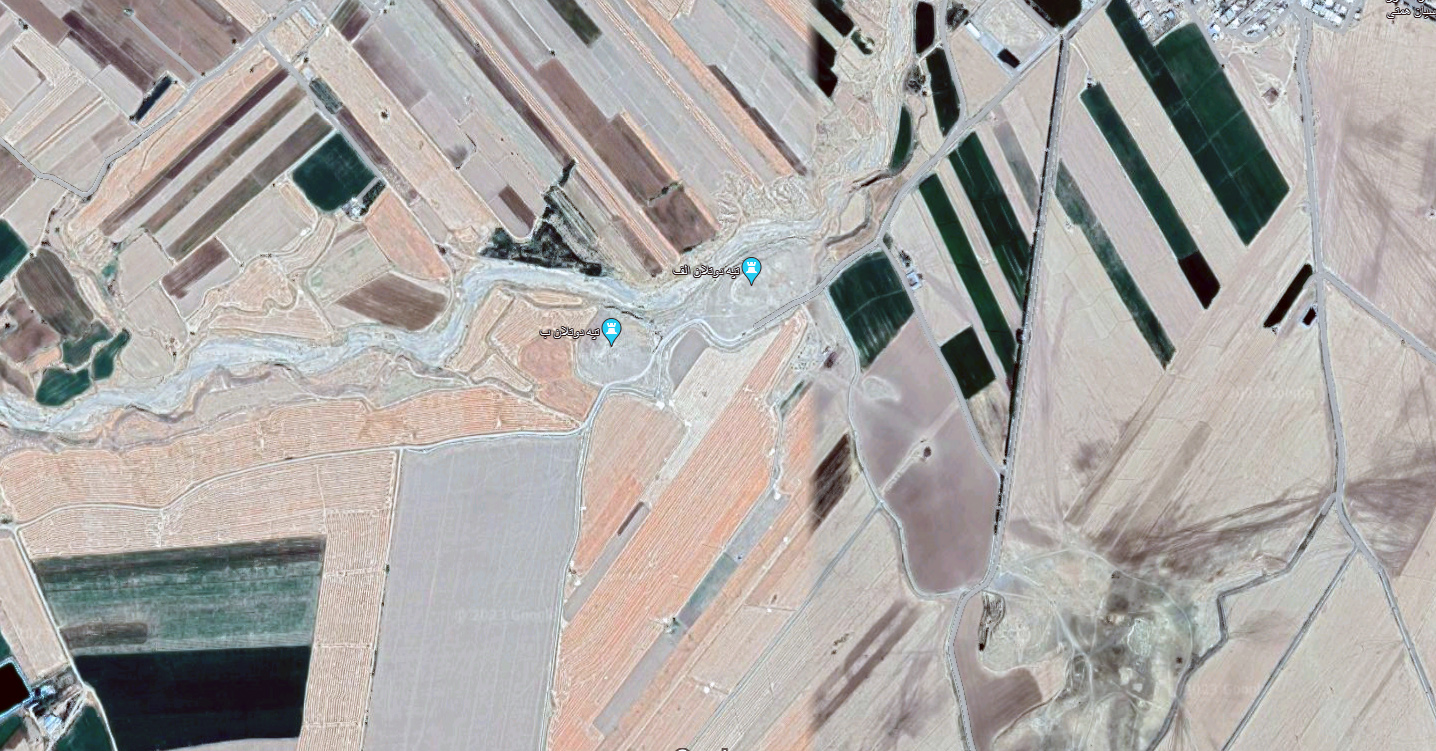
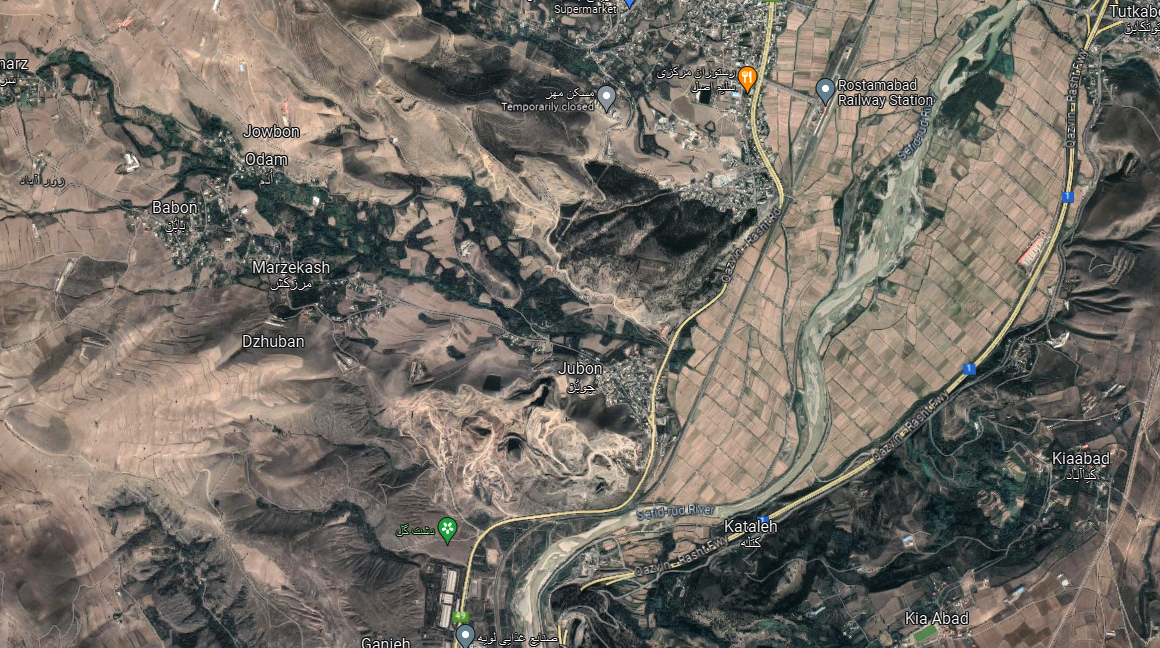
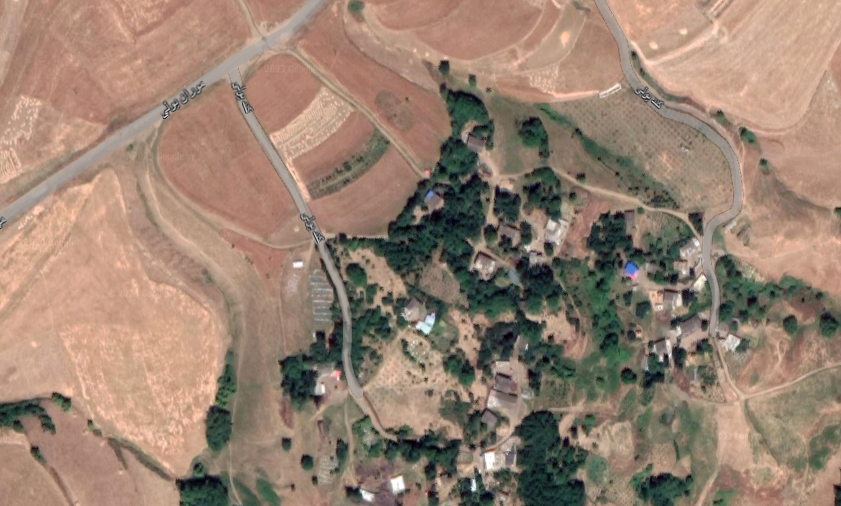
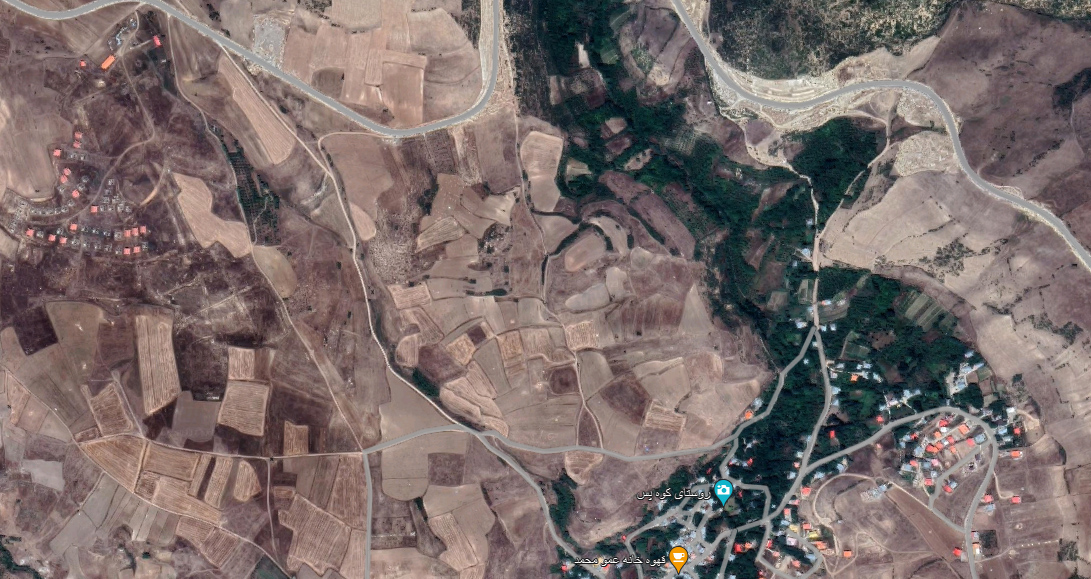
Location: Barm Delak is the site of two rock reliefs situated in the eastern suburbs of Shiraz, Fārs Province, in southern Iran.
29°35’8.06″N 52°39’13.70″E
Historical Period
Sasanian
History and description
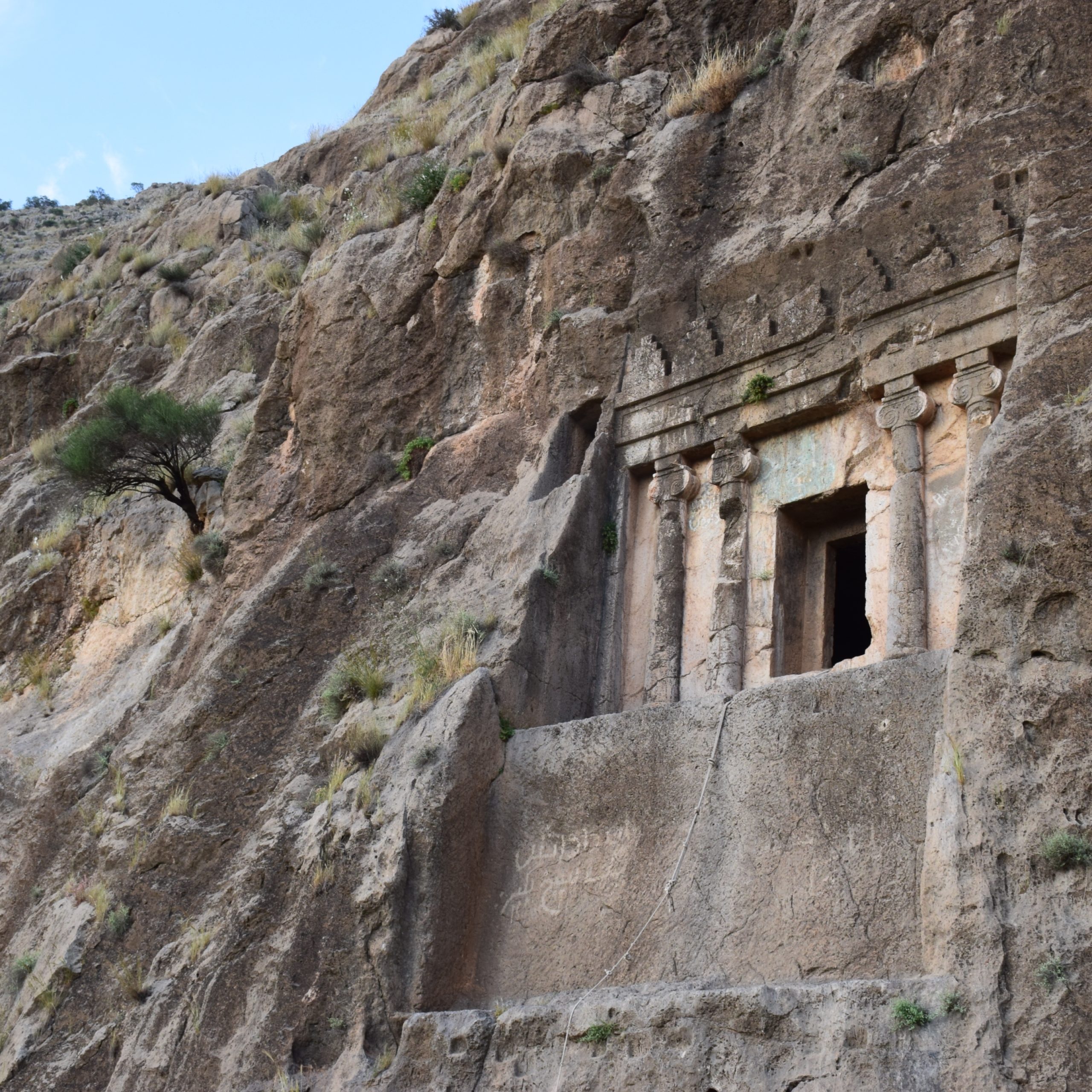
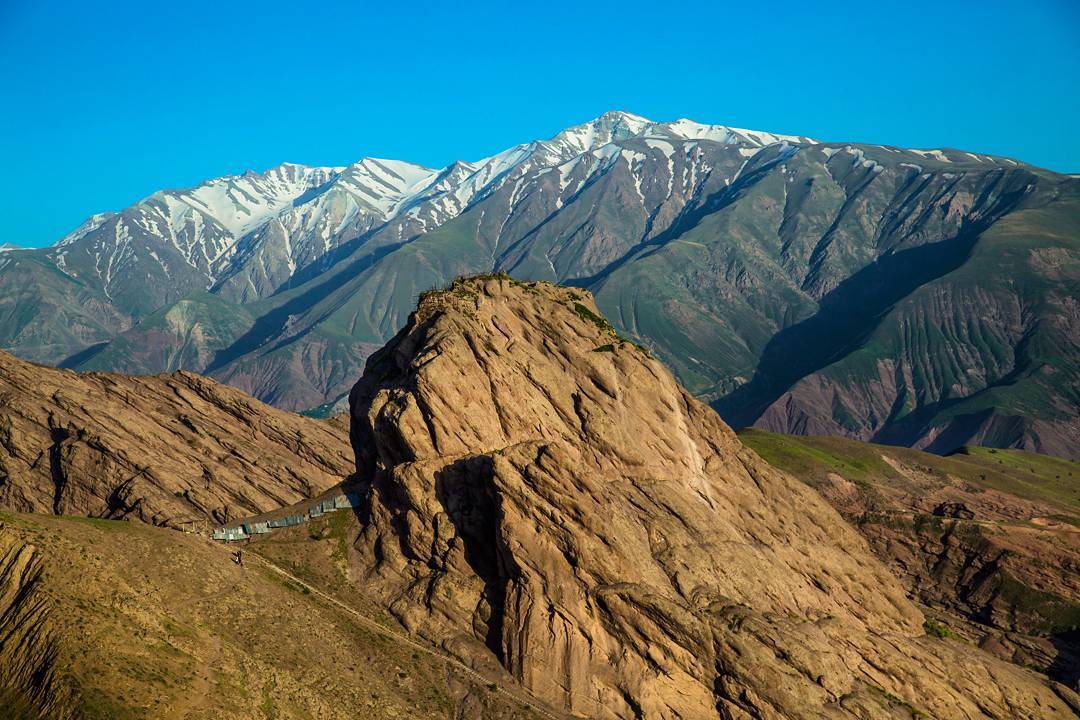
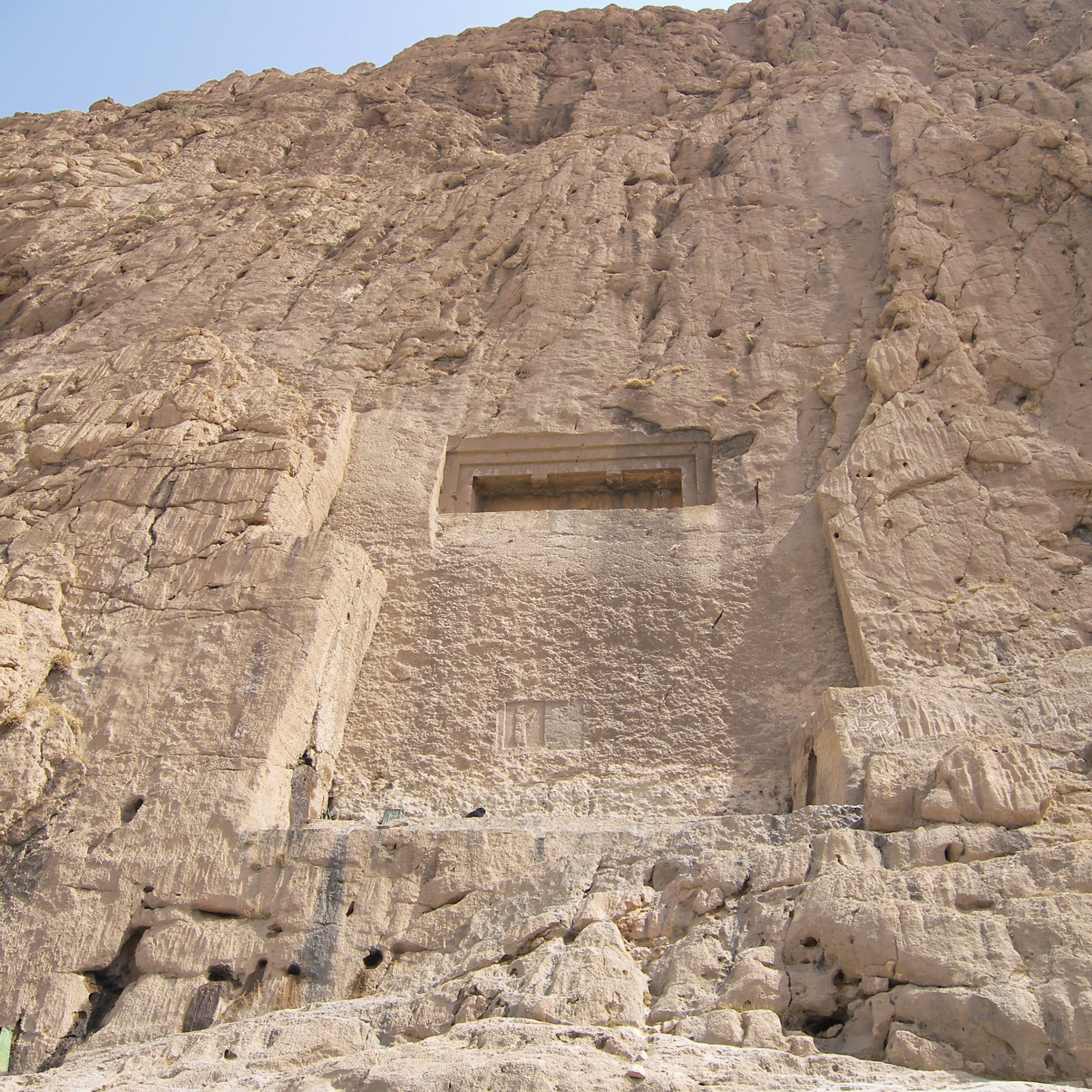
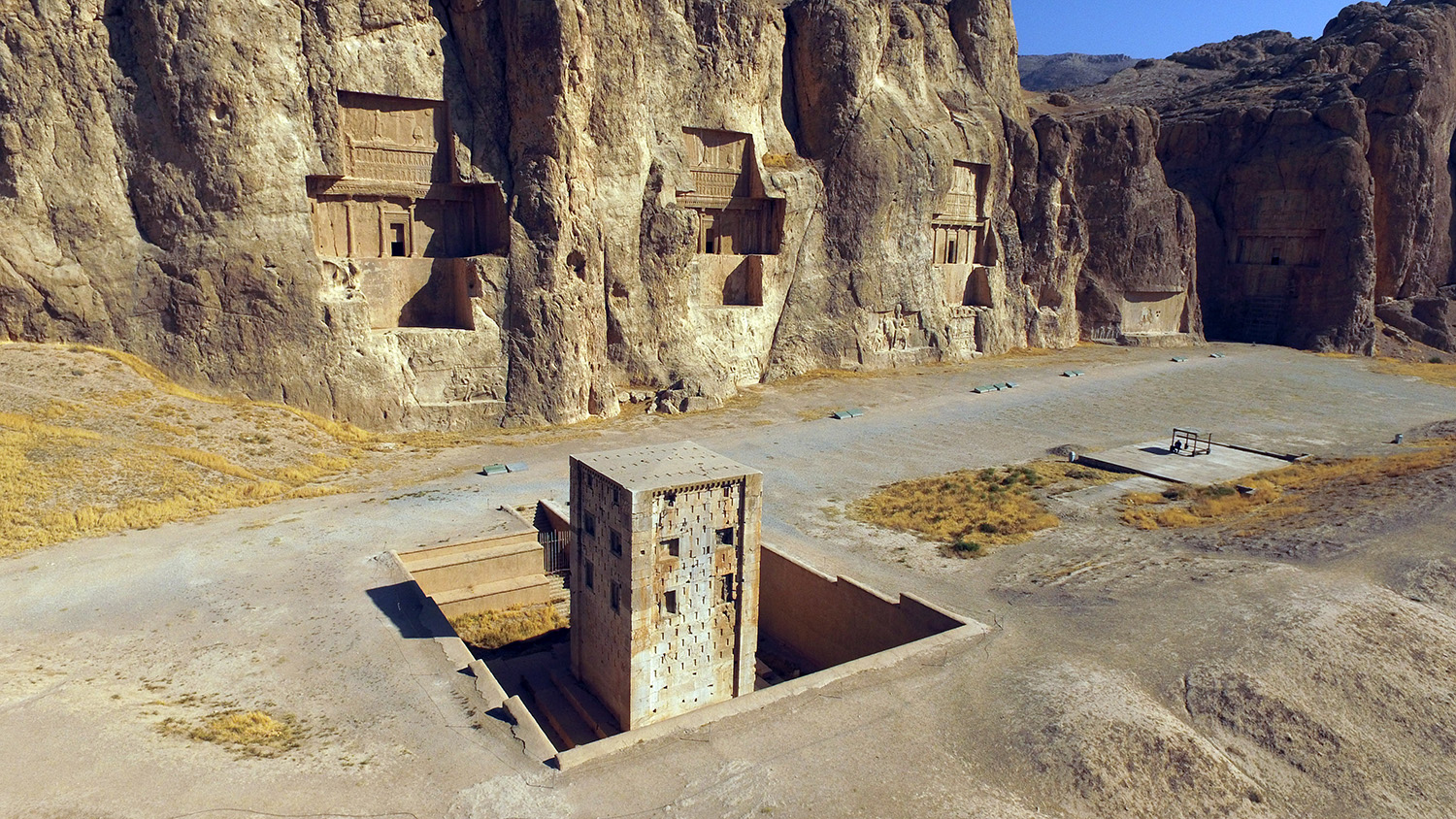
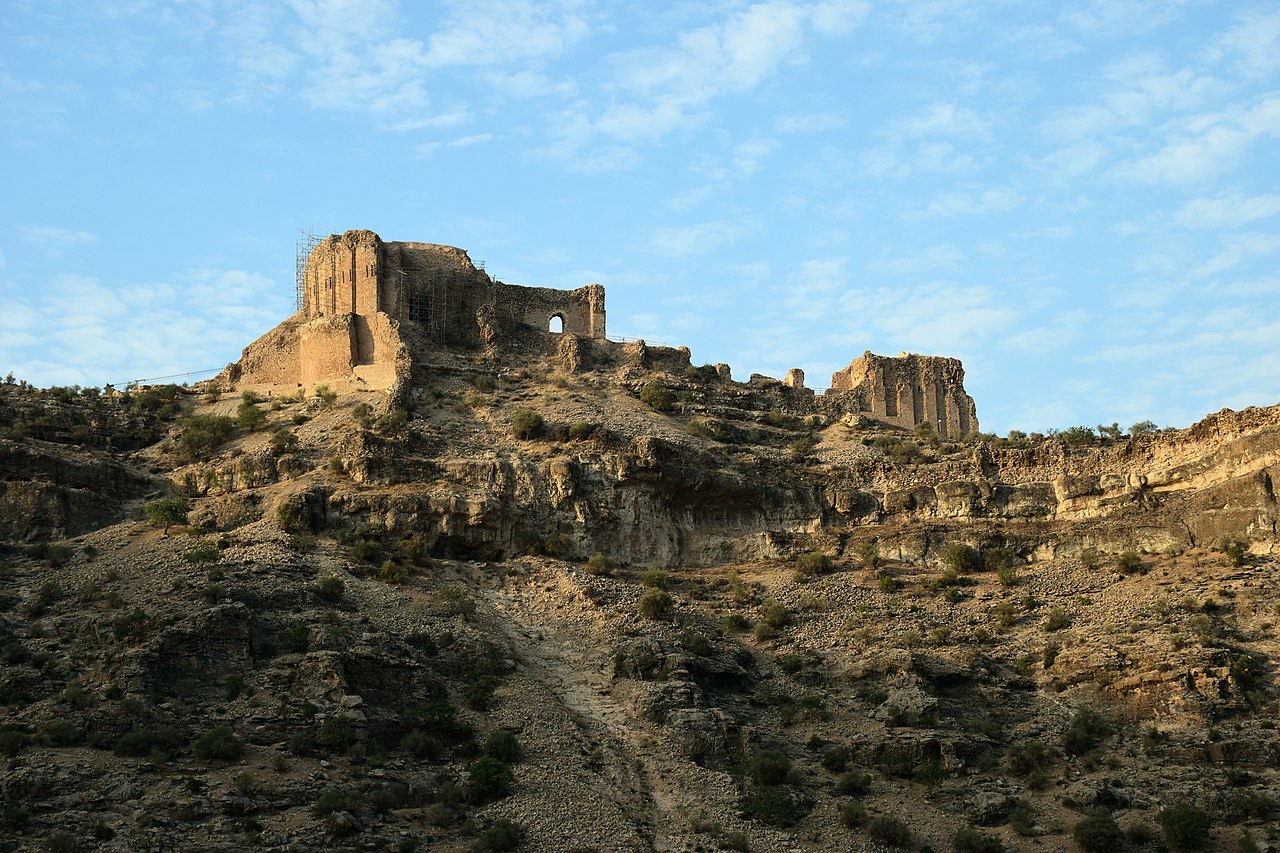
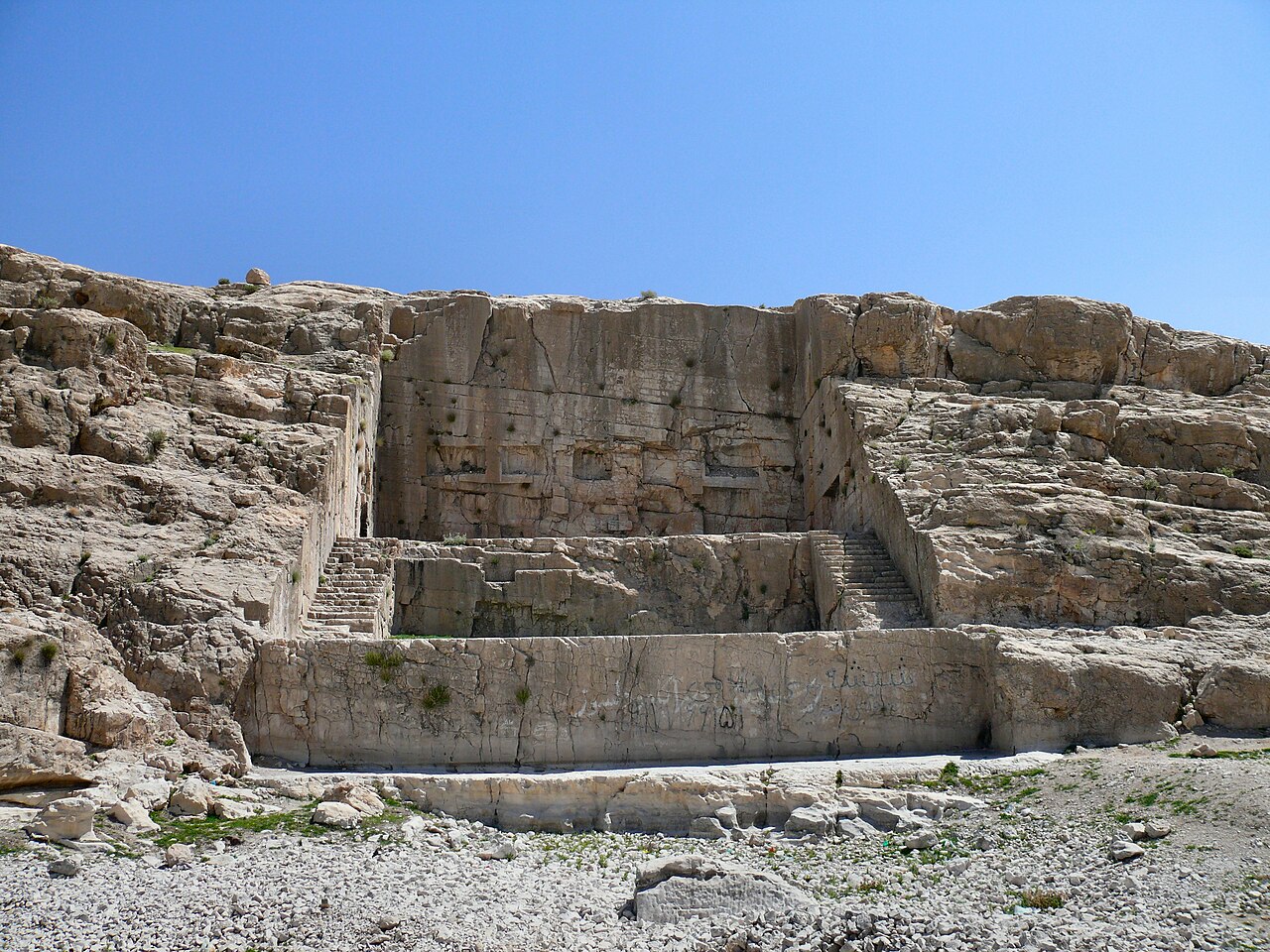
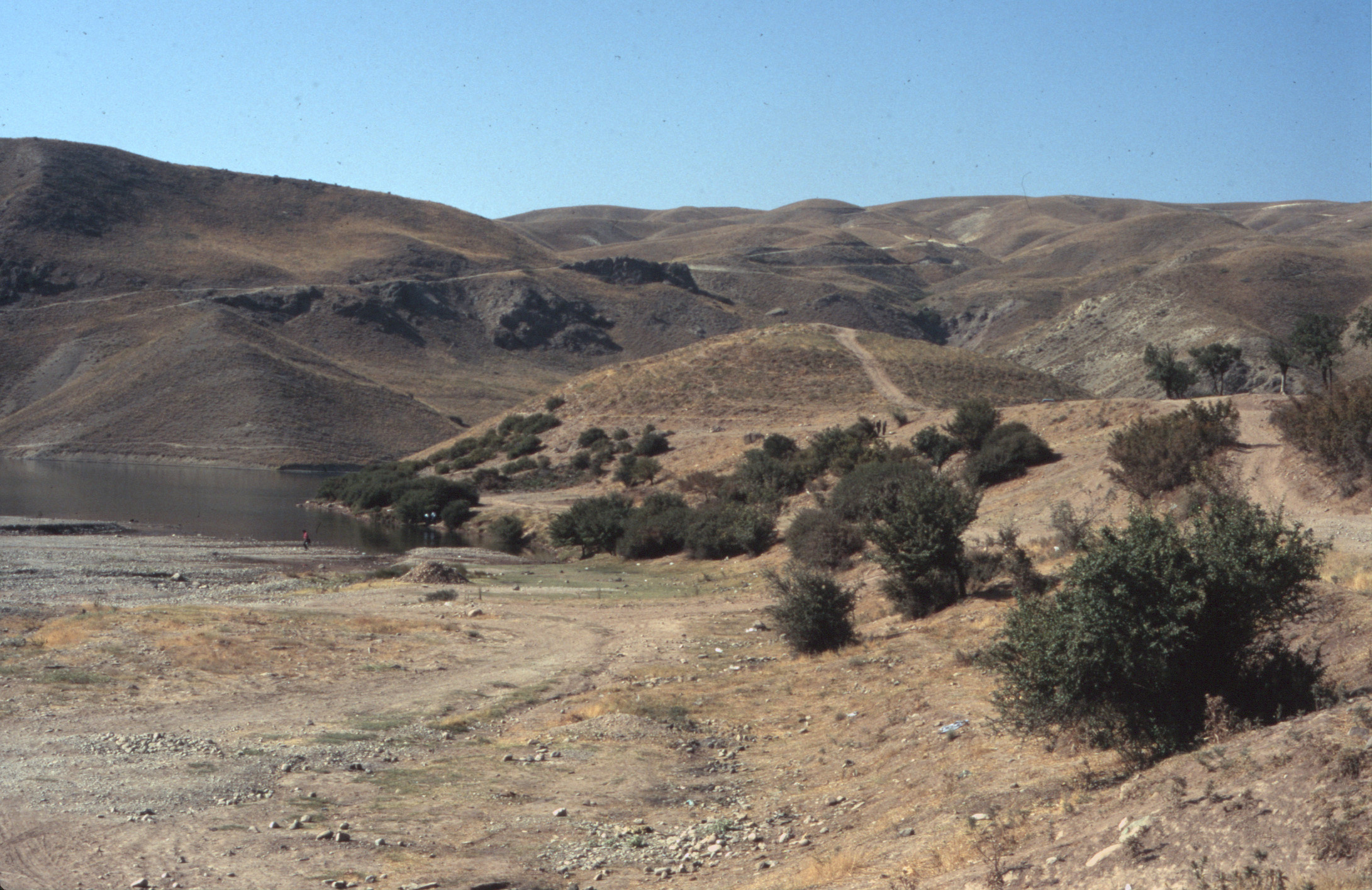
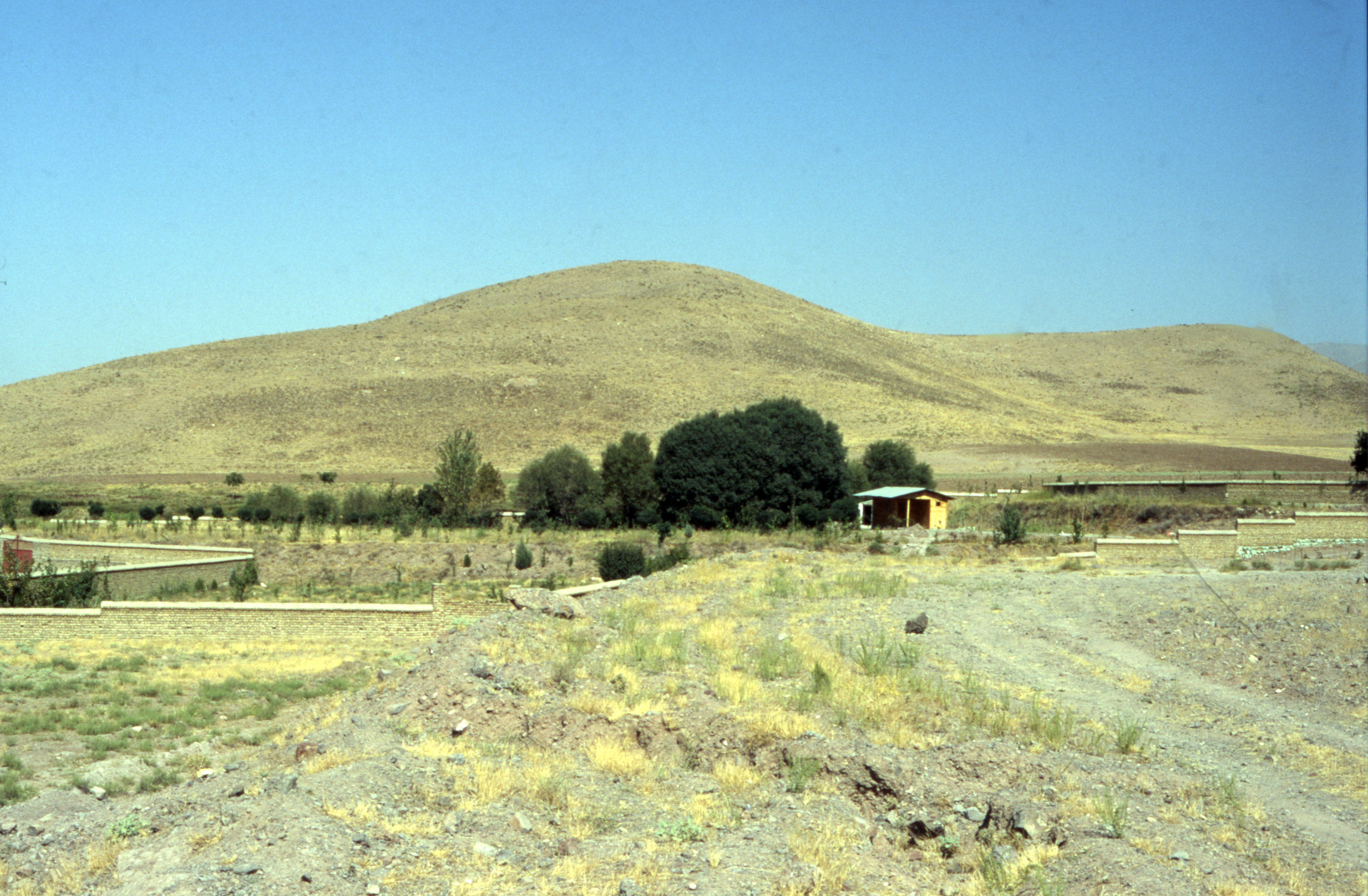
The site of Barm-e Delak, or Barm Delak consists of two Sasanian rock reliefs (fig. 1) carved at a height of 6.5 m above the ground on the cliffside of a mountain. The name Barm Delak means a mountain pond or spring. The site, previously located about 10 km southeast of Shiraz, is now part of the city’s growing suburban area. The rock reliefs are only 2.5 km east of the site of Qasr-e Abu Nasr, and about 11 km from the shore of Mahārlou Lake.
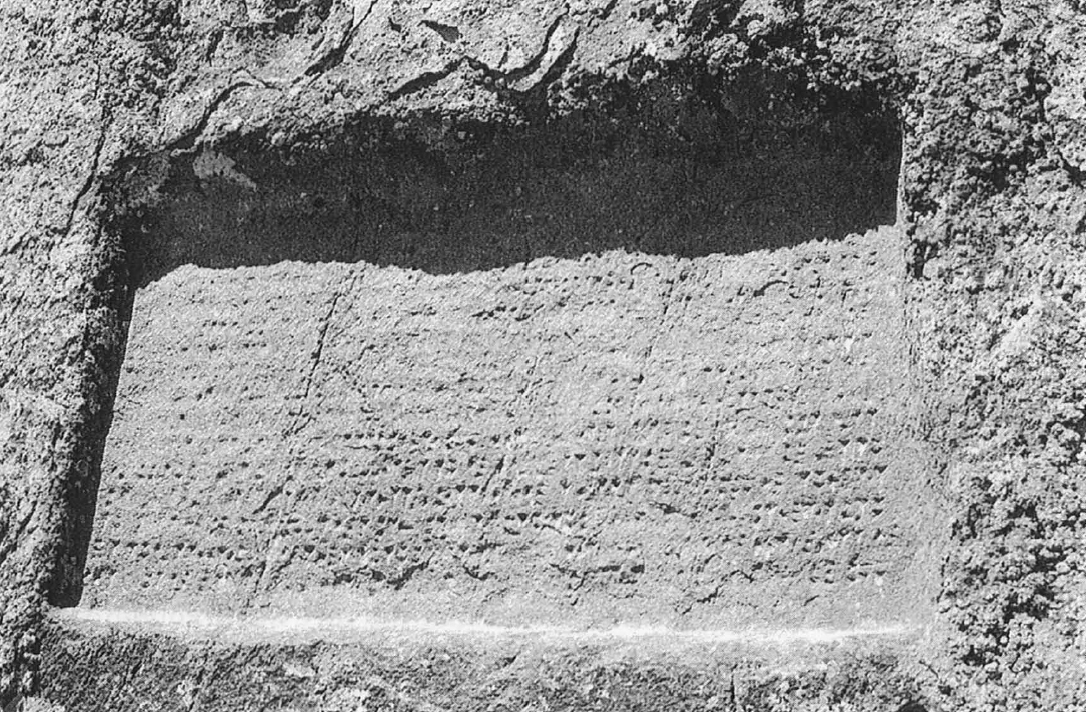
The large relief (fig. 2), 2.6 x 2 m, depicts a man holding a flower in his right hand and presenting it to a woman who extends her right hand to take the flower, while her left hand is brought to her mouth as a gesture of respect. A poorly preserved inscription is carved under the man’s arm. It is located under the raised arm of the male figure and consists of four lines, each approximately 3.2 cm long, written in extremely small characters. The entire inscription is 15 cm high. The inscription mentions the name Ardashir, but the rest of the text is fragmentary (see the Archaeological exploration section below). According to local tradition and popular belief, the bas-relief depicts a loving couple, represented by a man offering a flower to a woman, a gesture commonly regarded as an expression of affection and gallantry.
The identity of the figures remains a matter of scholarly debate. Friedrich Sarre interpreted the scene as the investiture scene of a queen. Rejecting Sarre’s interpretation, Kurt Erdmann suggested that the scene depicted the king presenting a fertility symbol to his wife. Vladimir Lukonin identified the female figure as Bahrām II’s wife, Shāpūrdōkhtak, who received her investiture from a high-ranking dignitary. He writes that on both scenes, the symbols of authority are bestowed not by the god Ahura Mazda, but by his “representative on earth,” the chief priest, probably Kartir. Based on numismatic evidence, he dates both bas-reliefs to 276 A.D. Eric de Waele, comparing the relief with that of Sarāb-e Qandil, thinks that it depicts the king receiving a flower from Anahita or a priestess. Finally, based on the historical evidence and epigraphic record, Walther Hinz proposed that the bas-relief represented Narseh offering a lotus flower to his niece, Ardashir-Anāhid. Louis Vanden Berghe likewise supports this latter interpretation.
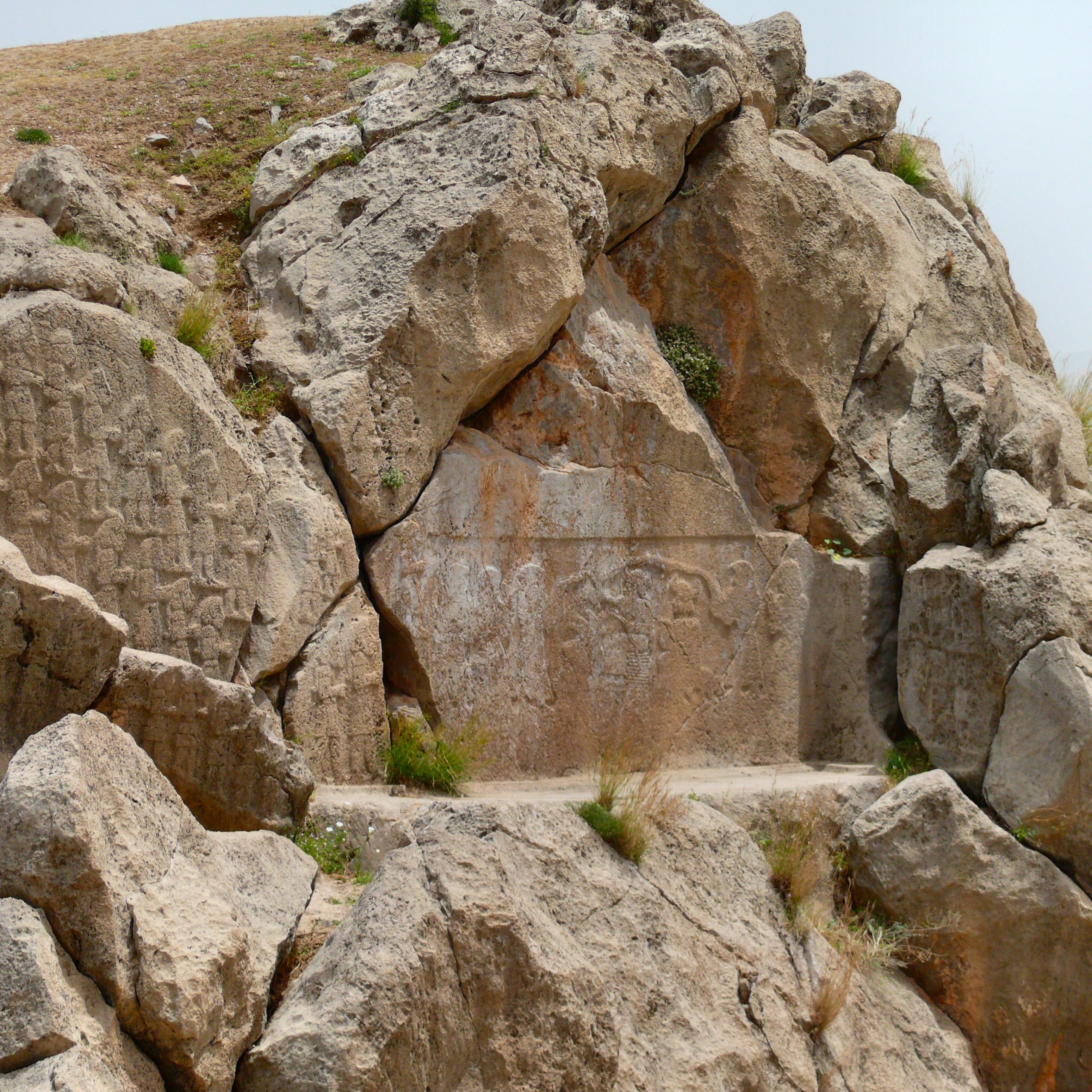
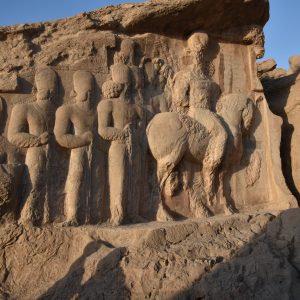
To the right of the large panel, on a separate piece of rock, is carved another panel (fig. 3) with heavily weathered bas-reliefs, which has been cracked and divided into two sections. The left panel measures 2.75 m in height by 1.25 m in width, while the right panel measures 2.08 m by 1.25 m. Each depicts a single figure: on the left is the figure of King Bahrām II and a high-ranking dignitary on the right. The two figures are separated by an expanse of unworked rock and a deep fissure, which may have once included the representation of a fire altar. However, the possible presence of a fire altar has been refuted by Bruno Overlaet. Bahrām II is readily identifiable by his crown, adorned with eagle wings and surmounted by a korymbos. His right hand is raised to his mouth in a gesture of veneration, while his left rests on the hilt of his sword. The dignitary, standing opposite the king, is depicted in an almost identical posture and wears a tall, rounded hat; he has tentatively been identified as Kartir, the high priest of the empire.
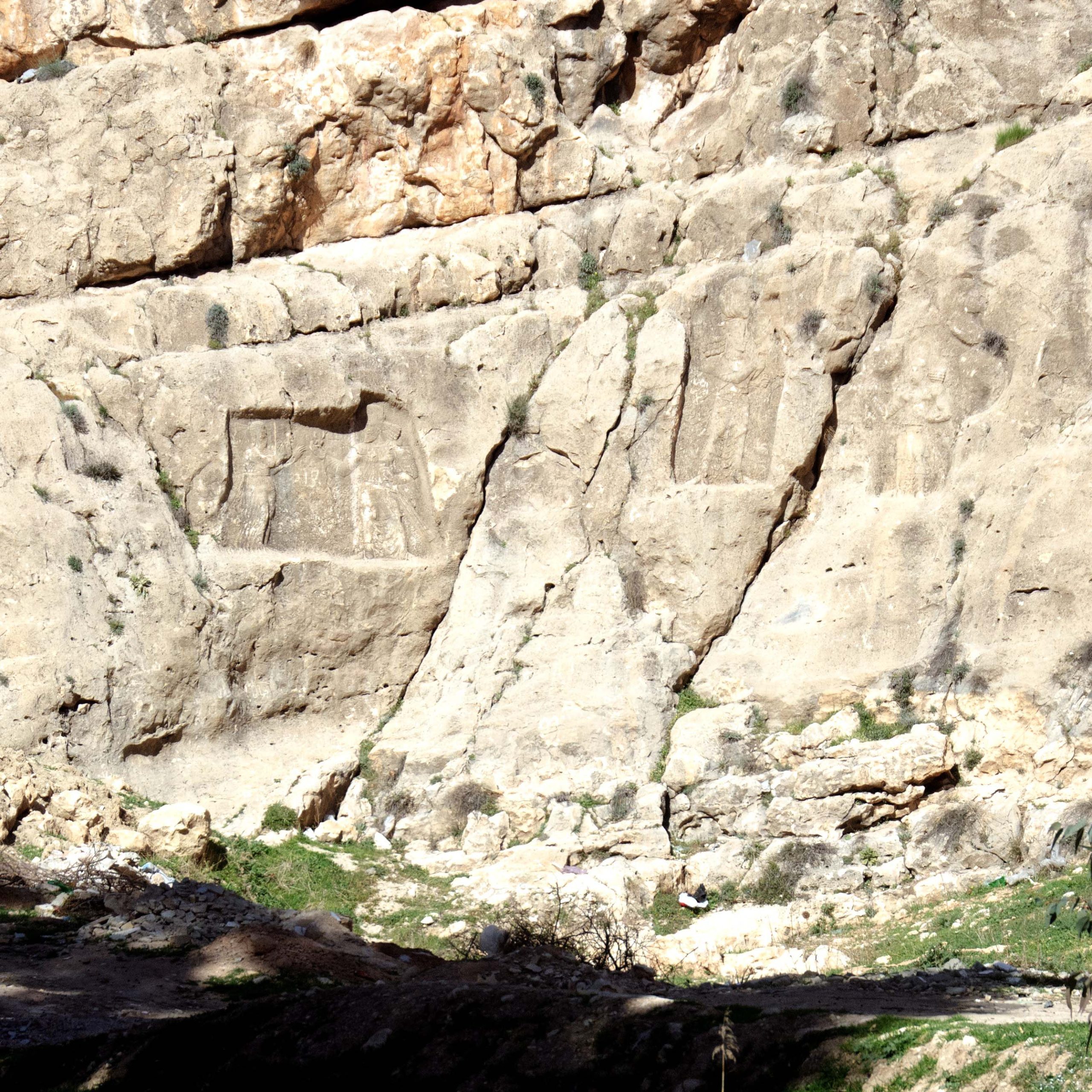
Fig. 1. General view of Barm Delak (image: (c) Livius.org | Jona Lendering)
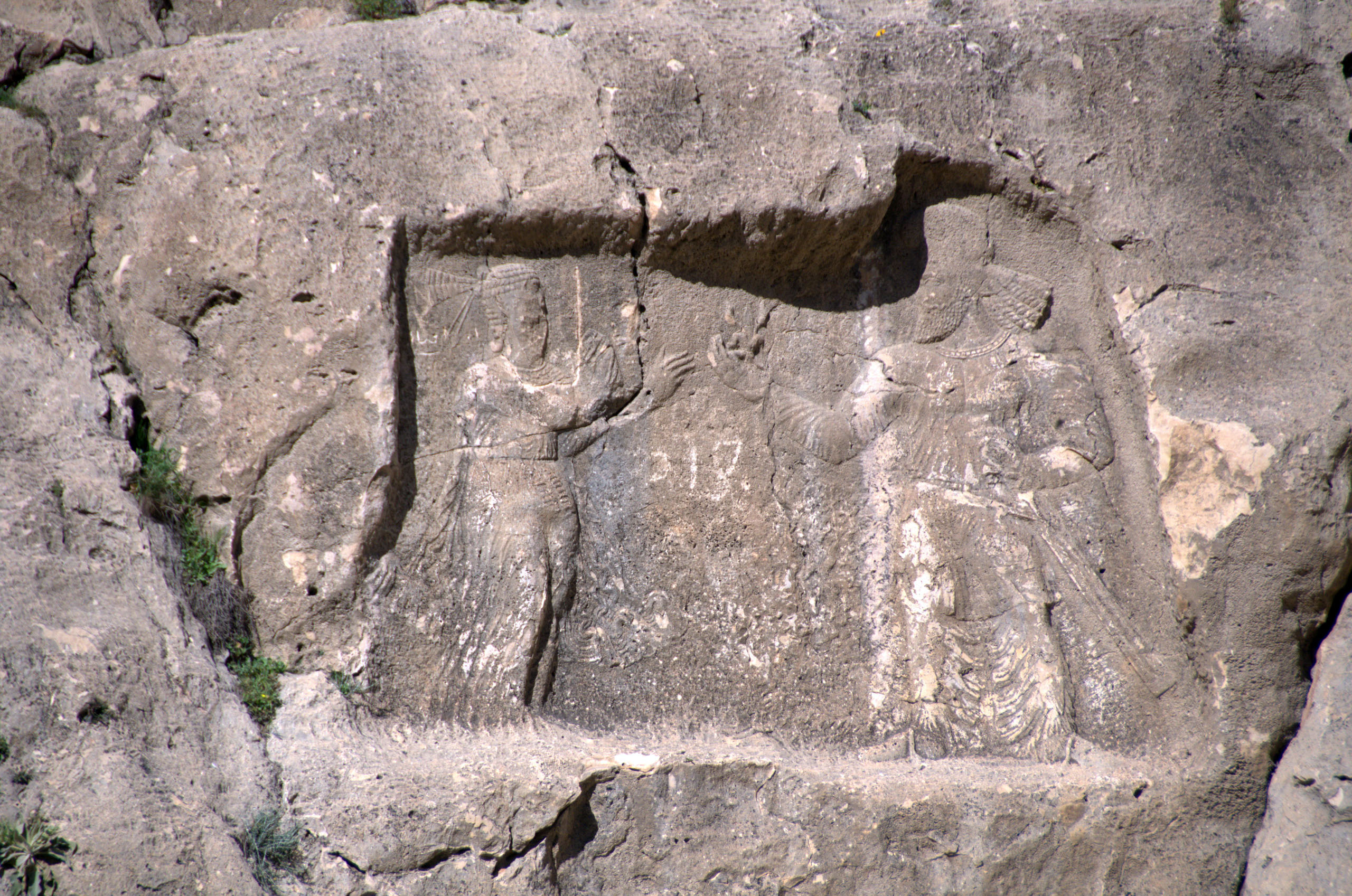
Fig. 2. Barm Delak. The bas-relief depicting a man and a woman (image: (c) Livius.org | Jona Lendering)
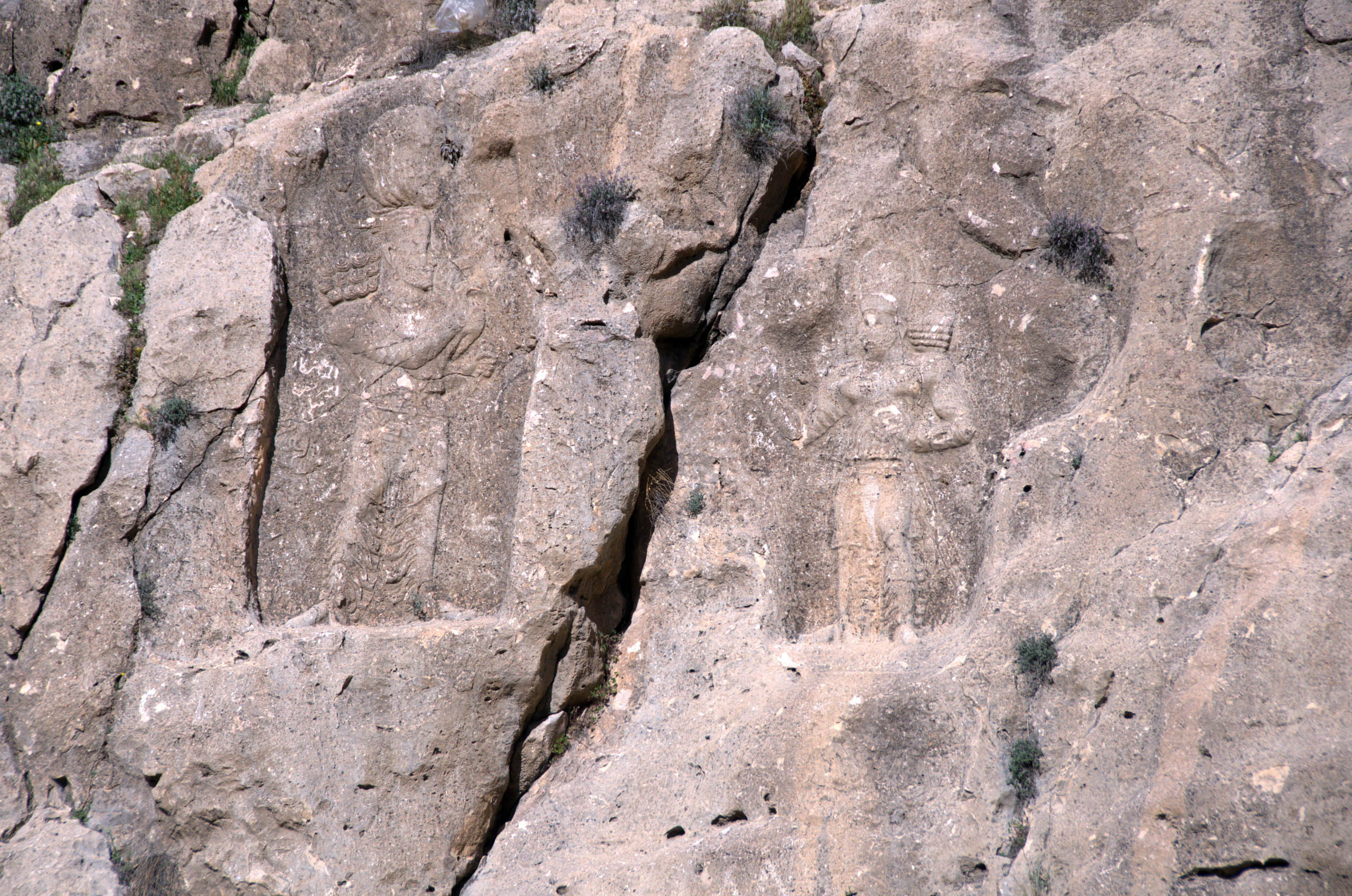
Fig. 3. Barm Delak. The bas-relief of the king and a dignitary (image: (c) Livius.org | Jona Lendering)
Archaeological Exploration
The bas-reliefs at Barm Delak were first recorded by Jean-Baptiste Tavernier in the early years of the 17th century. Although generally indifferent to ancient monuments, Tavernier briefly describes the reliefs without mentioning the site’s name. He nevertheless observes that the site was overgrown with shrubs and that a fig tree obstructed the view. Another French traveler, André Dauler Deslandes, visited Barm Delak and published a sketch view of the bas-reliefs; he seems to have been confused about the name of the site as he records that it was called Kademgah (Qadmgāh). Other travelers of the late Safavid period visited the bas-reliefs at Barm Delak; of them, Englebert Kaempfer’s description deserves attention. Kaempfer describes the reliefs and identifies the male figure as that of Rōstam (the legendary hero of the Shāhnama). He also gives the correct meaning of the place’s name, which he records as Bermeh Delek, a name derived from its physical characteristics: Barm signifies a pond or spring, while delek means a cleft or gorge in the mountain, which is where the images have been carved. Kaempfer’s other significant contribution is his illustration of the monument. Although inaccurate and redrawn after sketches taken on site, it shows trees and a watercourse running along the foot of the rock face on which the reliefs are carved. Cornelius de Bruijn, a Dutch traveler and painter, visited the site in 1704. Surprisingly, despite being a skilled painter, he published a crude illustration of the monument and gave only a terse description of the reliefs.
After a lapse of nearly a century, Sir William Ouseley visited and described the rock reliefs of Barm Delak. The significance of Ouseley’s account lies in his accurate observations of the bas-reliefs, in which he identified the male figure as Bahram II. Moreover, he was the first to record the existence of a Middle Persian inscription, which had gone unnoticed by previous visitors, as he writes (Ouseley, Travels, p. 48):
I climbed up, not without difficulty, into the largest compartment, to trace more exactly than a person could from below, four lines of a Pahlavi inscription, cut on the surface of the stone between the Prince and Queen; for such we may suppose the female, as she wears a royal fillet or tiara of which the ends are conspicuous behind her head. Although assisted by Major D’Arcy in impressing every form of the letters on paper slightly wetted for the purpose, and applied to the very stone, so much effaced and corroded was the inscription that I cannot lay a satisfactory imitation of it before the reader.
Later travelers, including Flandin and Coste, failed to notice the inscriptions and were reluctant to identify the figures. One reason for such an omission would be that the site was located in front of a pond with shrubs and trees blinding the view. Hasan Fasai, the nineteenth-century historian and the author of Fārsnāmeh-ye Nāserī, briefly describes the bas-reliefs and writes that at the foot of the mountain are a reed bed, a spring, and several willow trees. Fosat Shirazi, writing in the late nineteenth century, gives a similar account, noting that the locality was known for its agreeable climate and abundant wildlife, including wild boars. Surprisingly, George Curzon, visiting the region in the 1890s, makes no mention of the Barm Delak rock reliefs in his otherwise meticulous survey of the ancient monuments in Fārs. This omission may be explained by the fact that the site had limited visibility, as shrubs and trees obscured the reliefs from view. The first photographs of the bas-reliefs were taken by Franz Stolze in the 1870s.
Most twentieth-century scholars make no reference to the inscription. The breakthrough in identifying the figures through the inscription came with the studies of Walther Hinz and Gerd Gropp, who visited the monument in 1968. Gropp rightly noticed that the inscription was visible for only about twenty minutes each day, when the sun’s grazing light illuminated it. Hinz and Gropp arrived at the relief at precisely this moment and rediscovered the inscription. Although little of the inscription can be discerned in Gropp’s reading, it nevertheless provides the name, Ardashir. Gropp acknowledges the uncertainty of his s reading, while Hinz’s interpretation published in his Altiranische Funde und Forschungen, remains open to question.
In the past forty years, the rock reliefs at Barm Delak suffered from urban development projects and mining activities at a nearby sand and gravel quarry. The site is now protected by a metallic fence.
Bibliography
Andreas, F. C. and F. Stolze, Persepolis, Berlin, 1882, vol. 2, pl. 145.
Daulier Deslandes, A, Les Beautéz de la Perse, Paris, 1673, p. 62, pl. 1, fig. 4.
De Bruin, C., Voyages de Corneille le Brun, vol. 2, Amsterdam, 1718, p. 300, fig. 179.
De Waele, E., “Sur le bas-relief sassanide de Tang-e Qandil et le ‘bas-relief au couple’ de Barm-i Dilak,” Revue des archéologues et historiens d’art de Louvain, vol. 11, 1978, pp. 9-32.
Erdmann, K., “Die sasanidischen Felsreliefs von Barm-i Dilak,” Zeitschrift der Deutschen Morgenländischen Gesellschaft, vol. 99, 1949, pp. 50-57.
Fasa’i, H., Fārsnāmeh-ye Nāseri, Tehran, 1314 H/1896, reprint 1367/1988, vol. 2, p. 1289-1290.
Flandin, E. and P. Coste, Voyage en Perse, Paris, 1851, pp. 66, 67, pl. 56.
Forsat al-Dowla Shirazi, Āsār-e ʿAjam, Bombay, 1354/1935, pp. 13-14.
Frye, R. N., “The Tang-i Qandil and Barm-i Dilak Reliefs,” Bulletin of the Asia Institute of Pahlavi University, Nos. 1-4, Shiraz, 1976, pp. 35-44.
Gropp, G. and S. Nadjmabadi, “Bericht über eine Reise in West- und Südiran,” Archaeologische Mitteilungen aus Iran, vol. 3, 1970, pp. 201, 202, fig. 15.
Hinz, W., Altiranische Funde und Forschungen, Berlin, 1969, pp. 217-28, figs. 136-39.
Kaempfer, E., Amoenitatun exoticarum, Lemgo, 1712, pp. 361.
Lukonin, V., Kultura Sasanidskogo Iran. Iran v III–V vv., Moscow, 1969, p. 191.
Ouseley, W., Travels in Various Countries of the East, vol. 2, London, 1821, pp. 46-49, pl. 29.
Overlaet, B., “Flower and Fire Altar: Fact and Fiction on the Barm-i Dilak Reliefs,” Iranica Antiqua, vol. 45, 2010, 337-352.
Shahbazi, A. Shapur, “Studies in Sasanian Prosopography III: Barm-i Dilak: Symbolism of Offering Flowers,” The Art and Archaeology of Ancient Persia: New Light on the Parthian and Sasanian Empires, edited by V. Sarkhosh Curtis, R. Hillenbrand, and J. M. Rogers, London, 1998, pp. 58–66.
Sarre, F., and E. Herzfeld, Iranische Felsreliefs, Berlin, 1910, pp. 187, 188, pl. XXXII.
Tavernier, J. B., Les six voyages de Jean Baptiste Tavernier, Paris, 1679, vol. 1, pp. 736-737.
Vanden Berghe, L., Reliefs rupestres de l’Iran ancien, Bruxelles, 1983, pp. 136-137.
Vanden Berghe, L., “Barm-e Delak,” Encyclopaedia Iranica, published December 15, 1988. https://doi.org/10.1163/2330-4804_EIRO_COM_6677