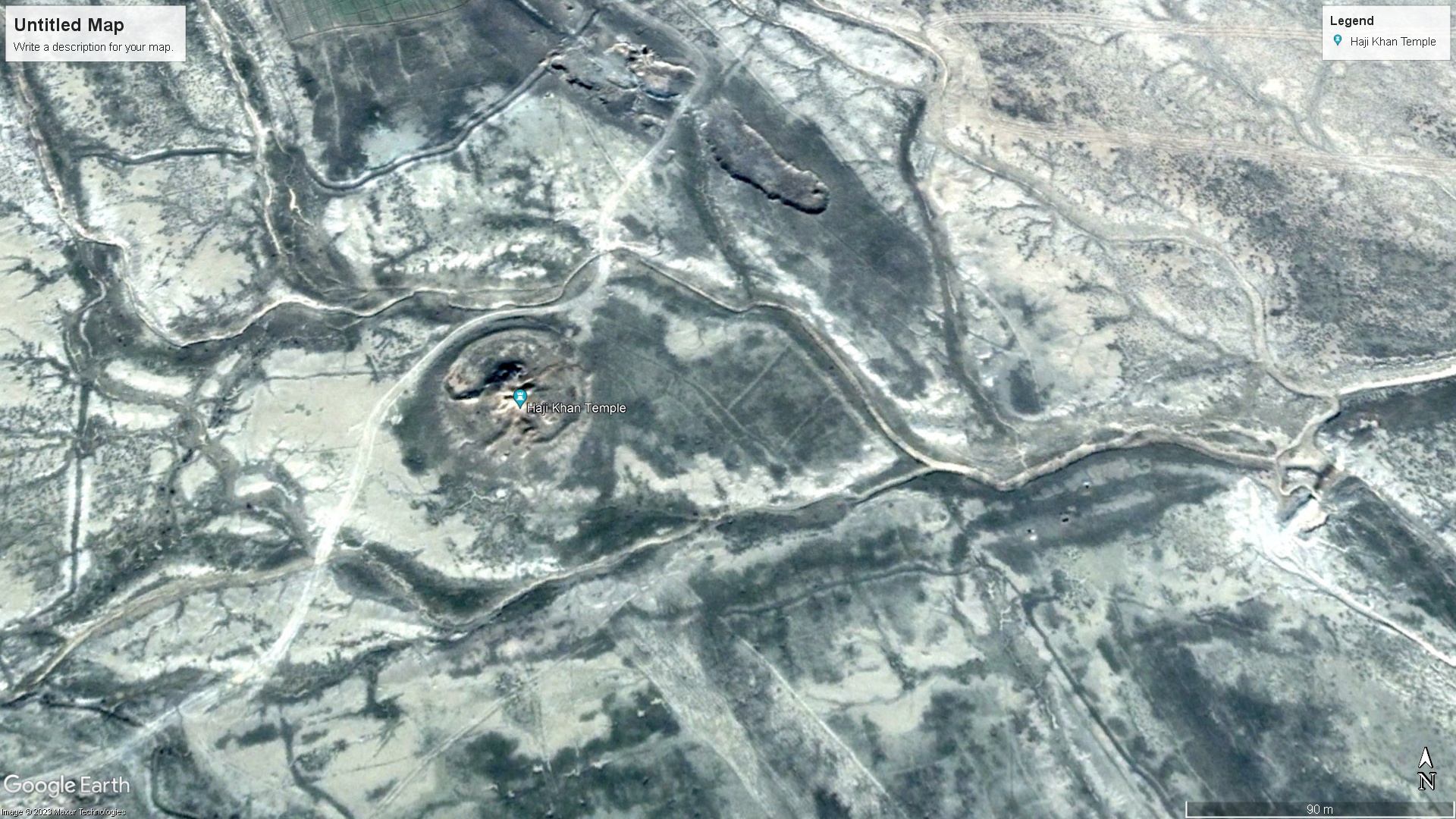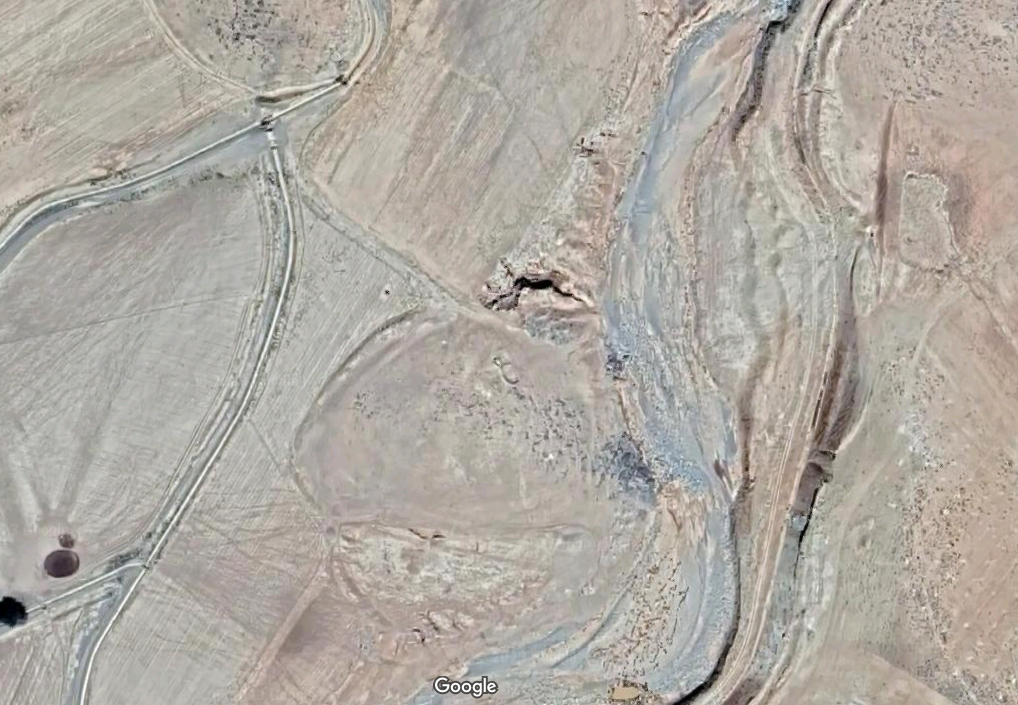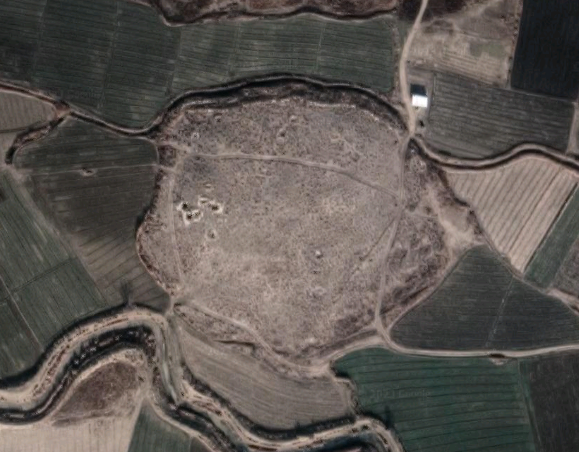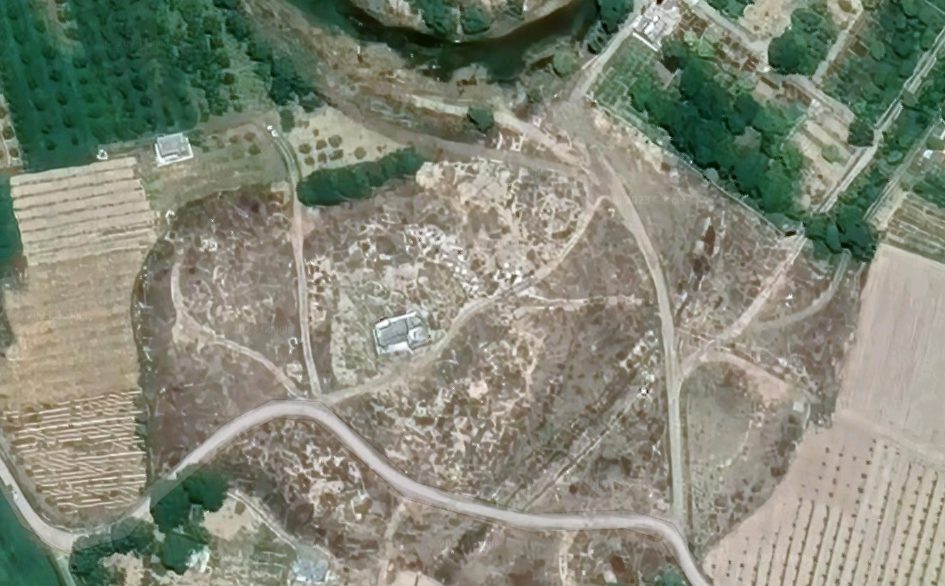
Lamasar/Lambasarلمسر/لمبسر
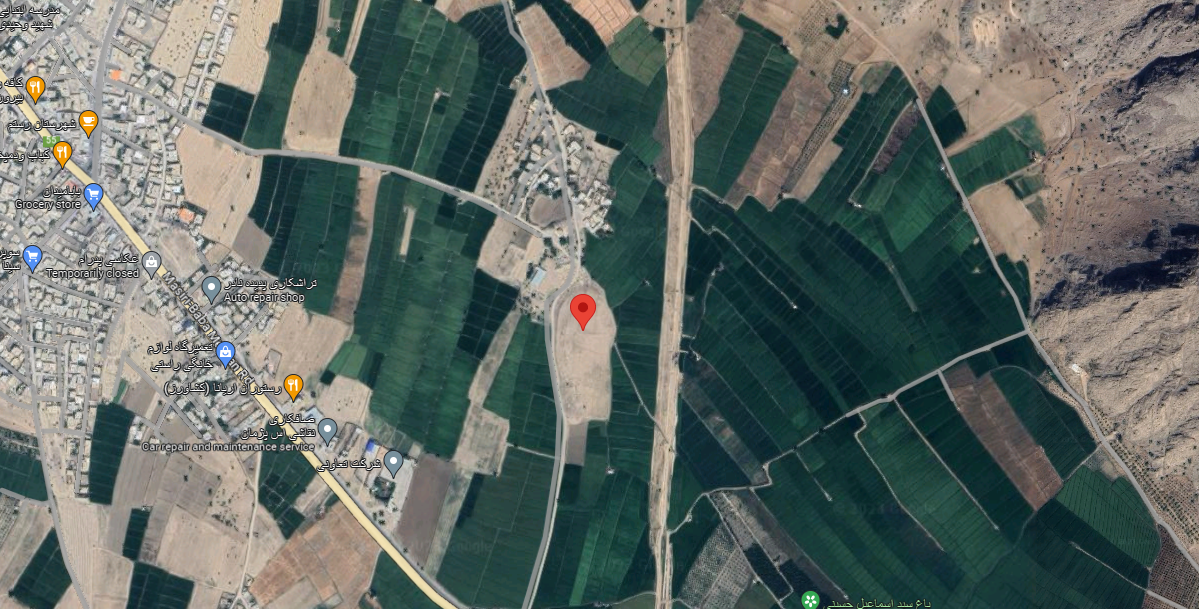
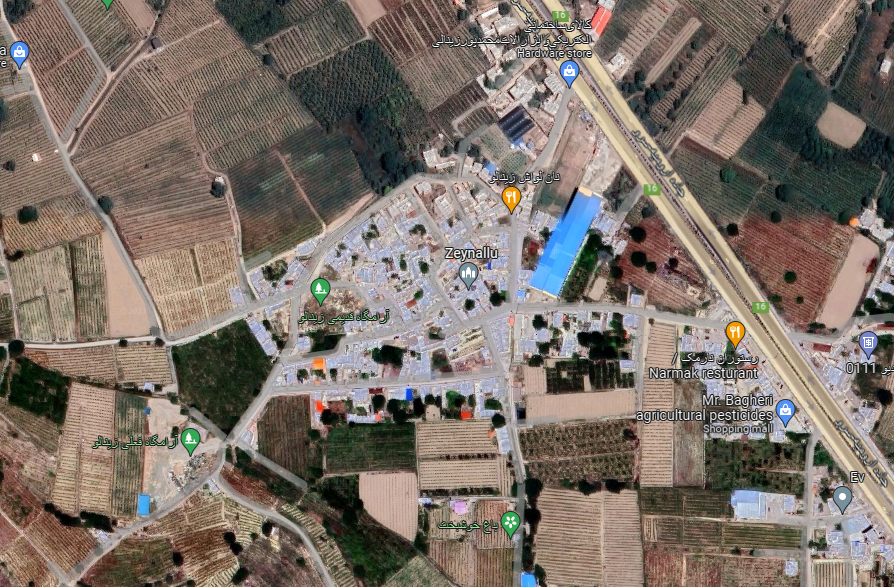
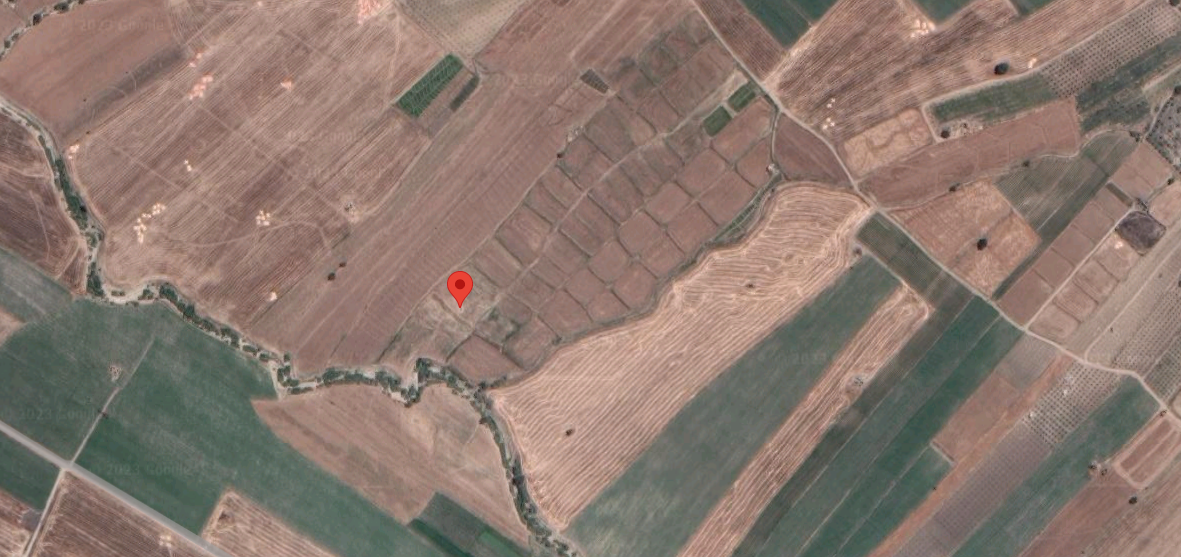
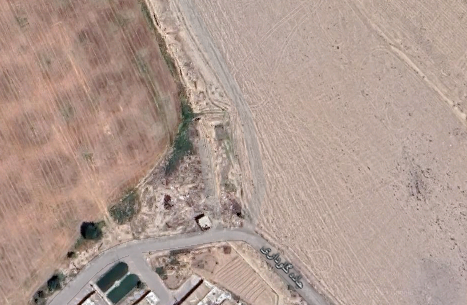
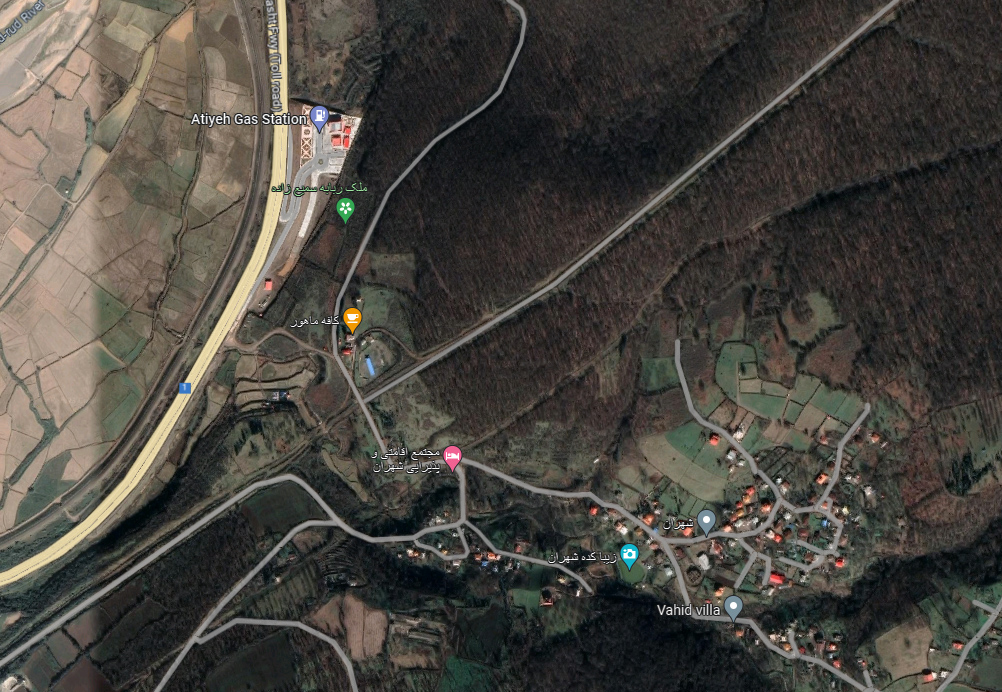
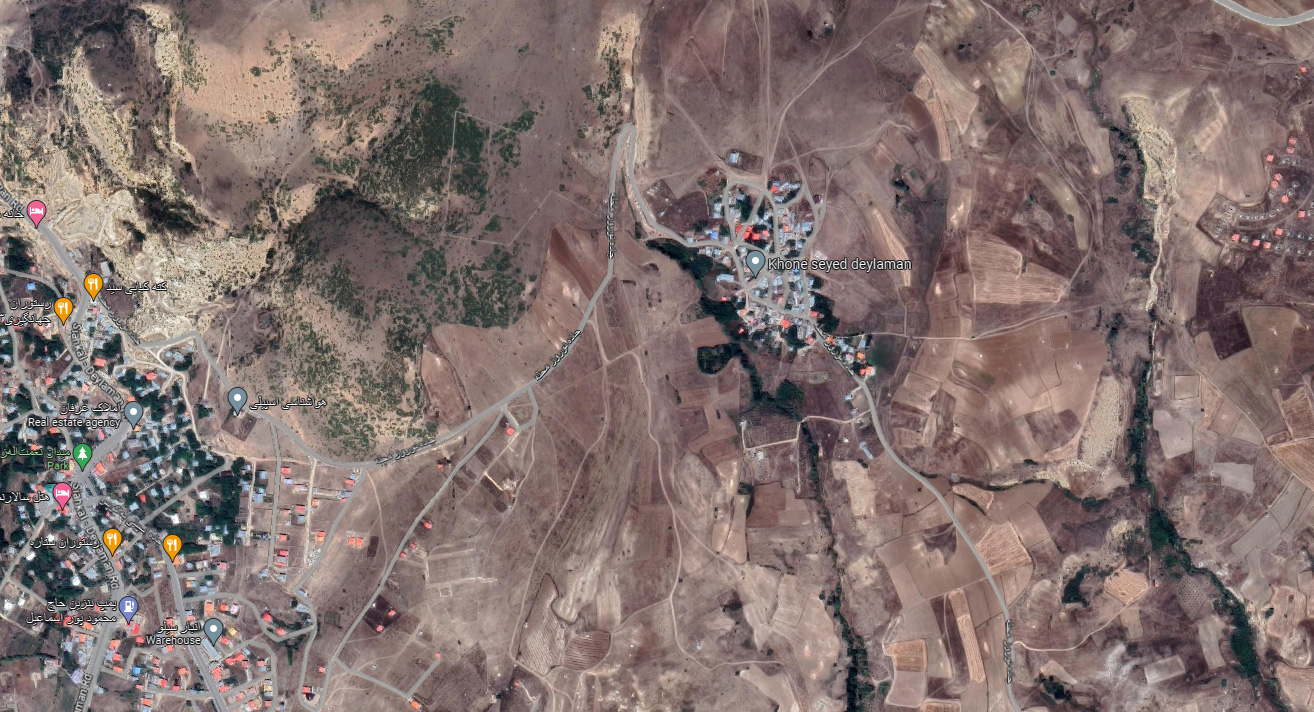
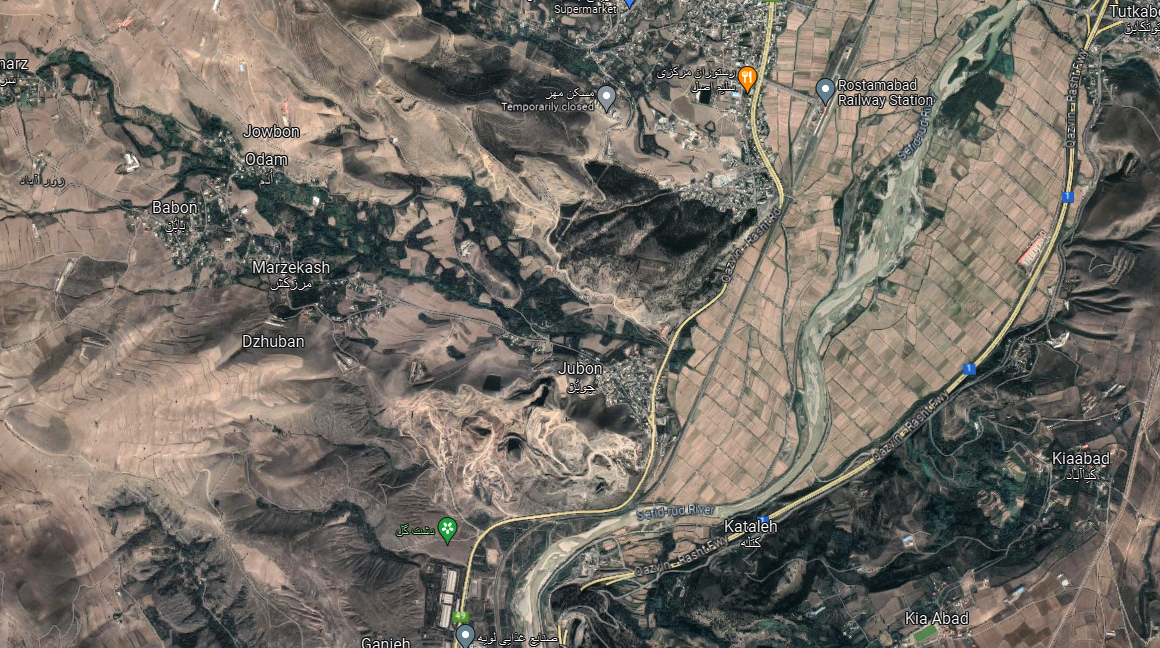
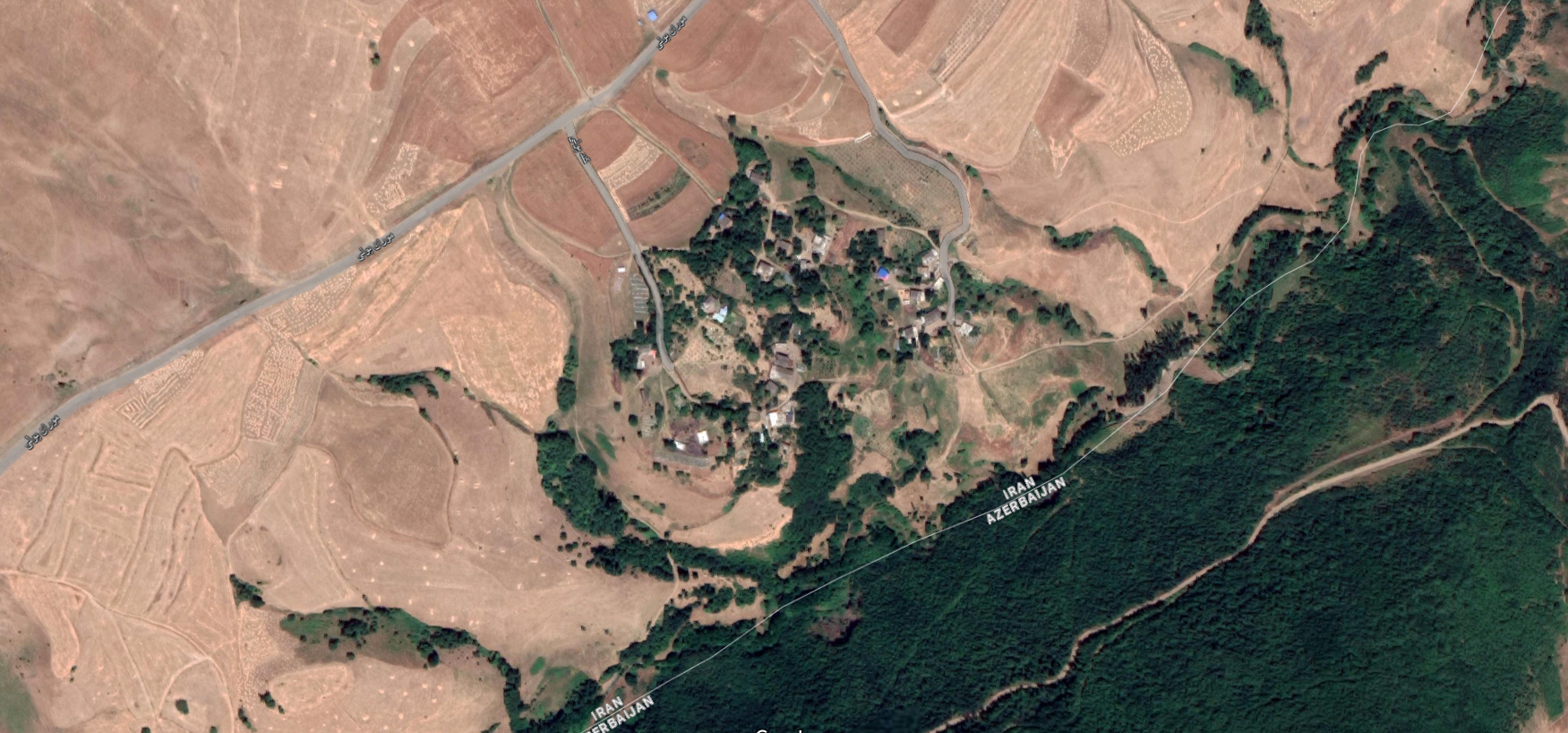
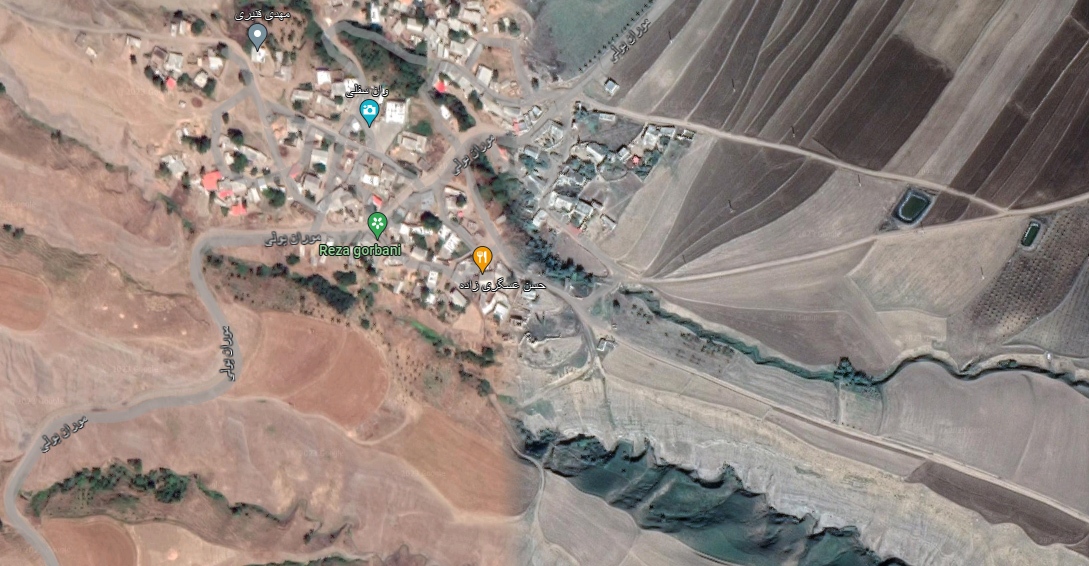
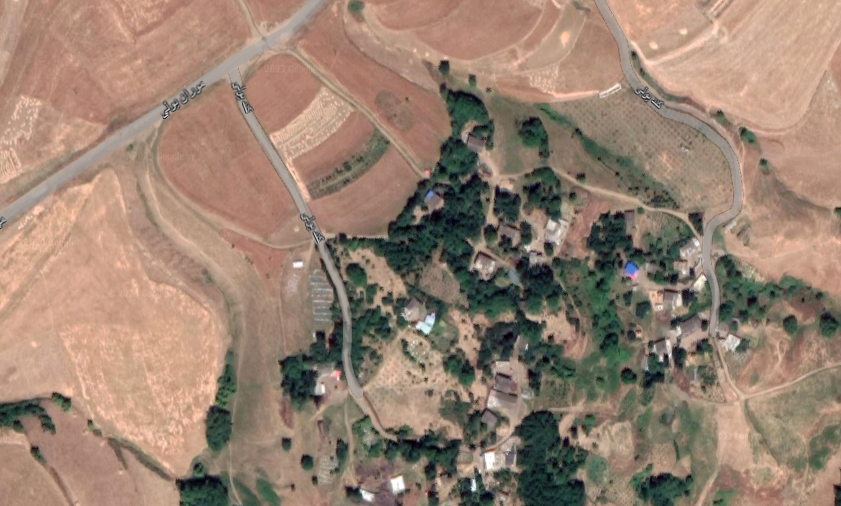
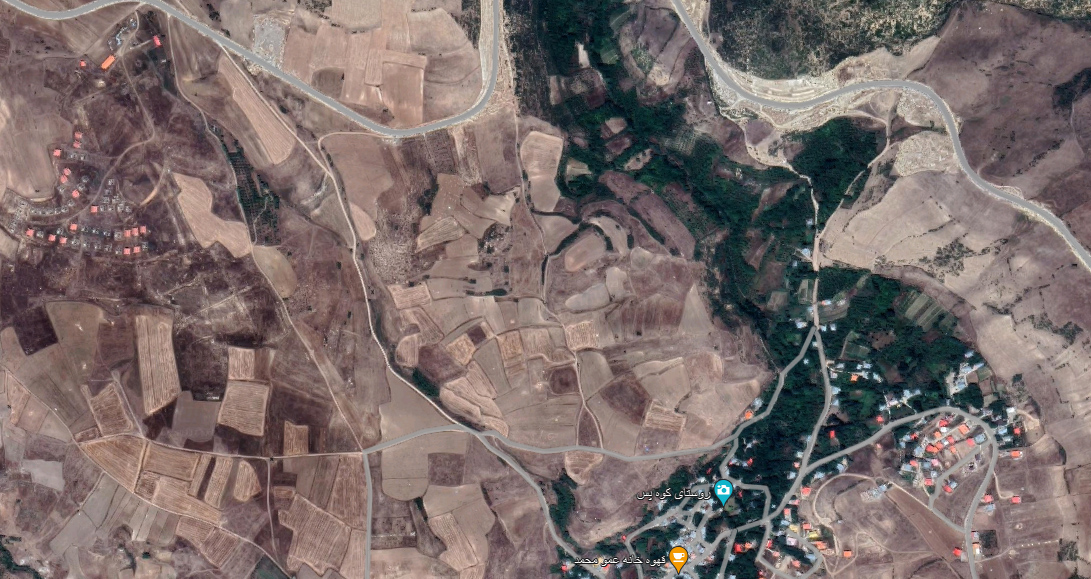
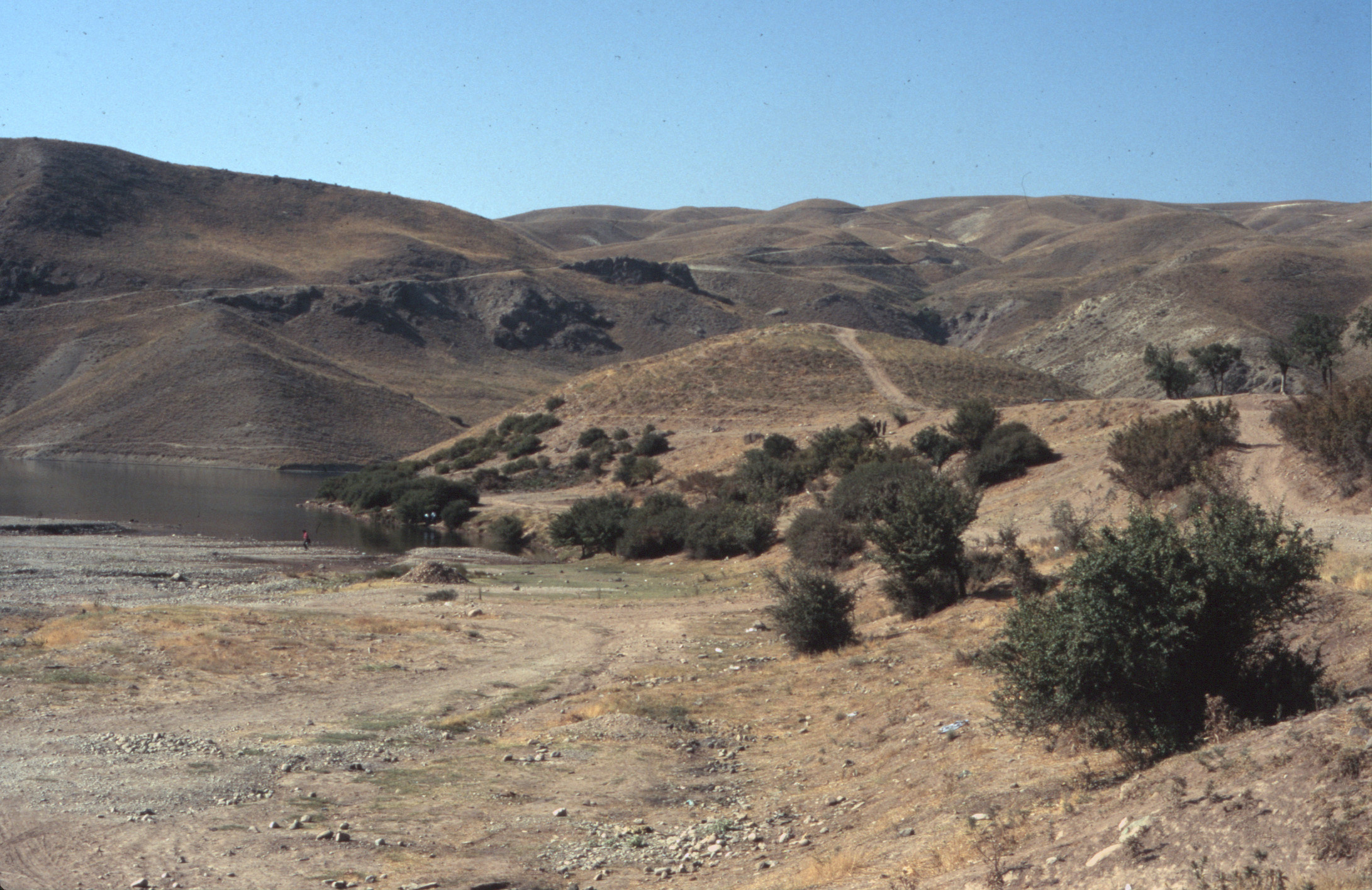
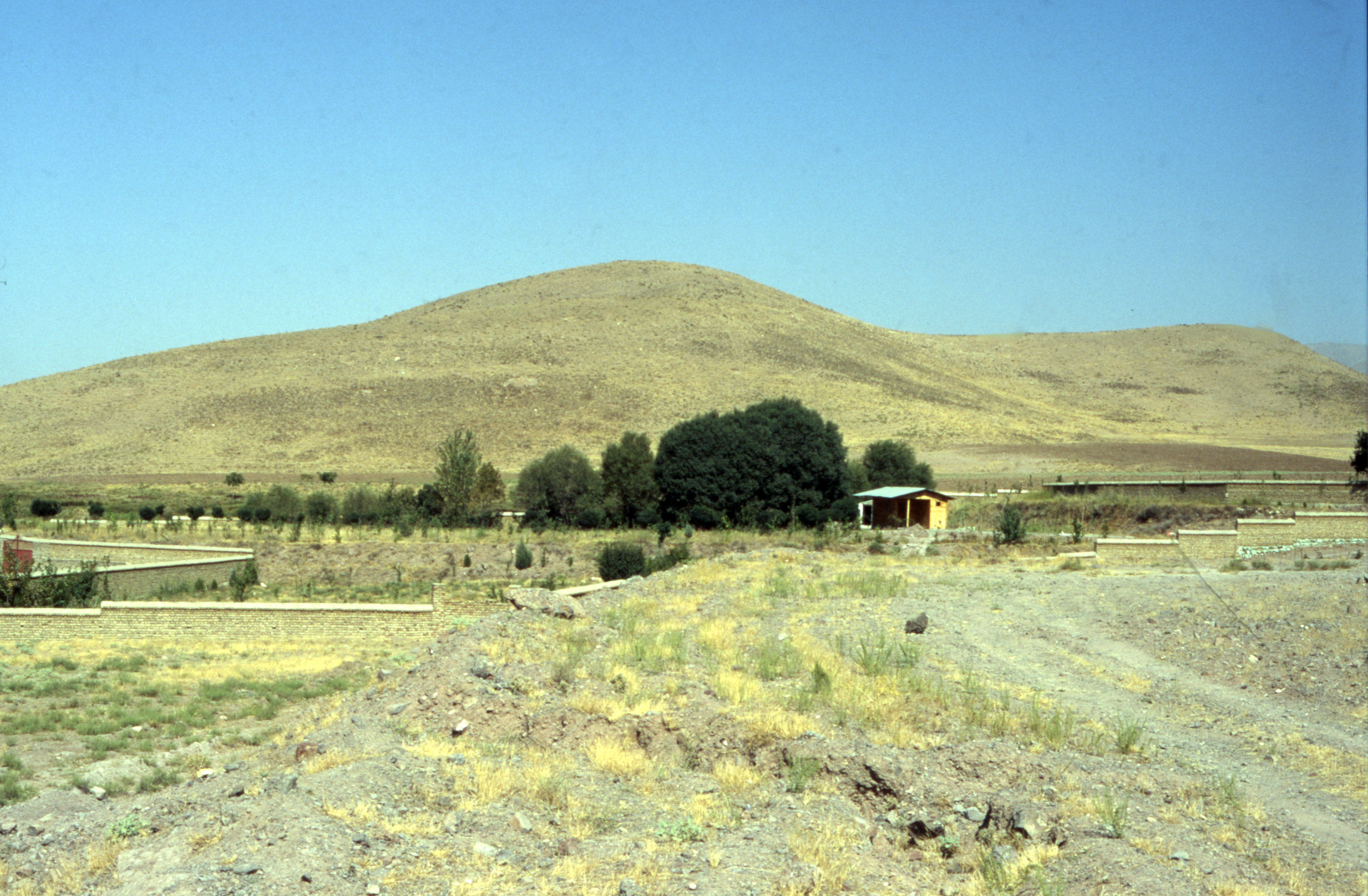
Location: The Lamasar Castle is about 65 km northeast of Qazvin, in Qazvin Province.
36°32’50.3″N 50°13’37.8″E
Map
Historical Period
Islamic
History and description
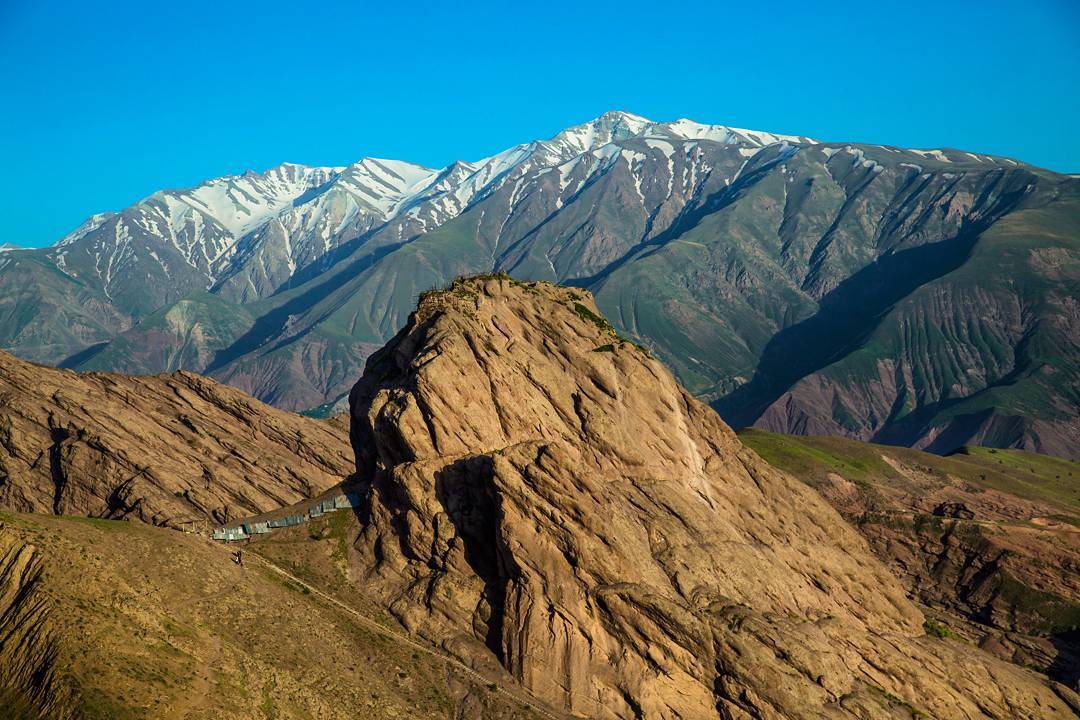
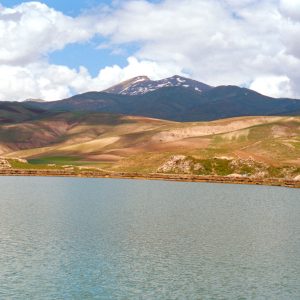
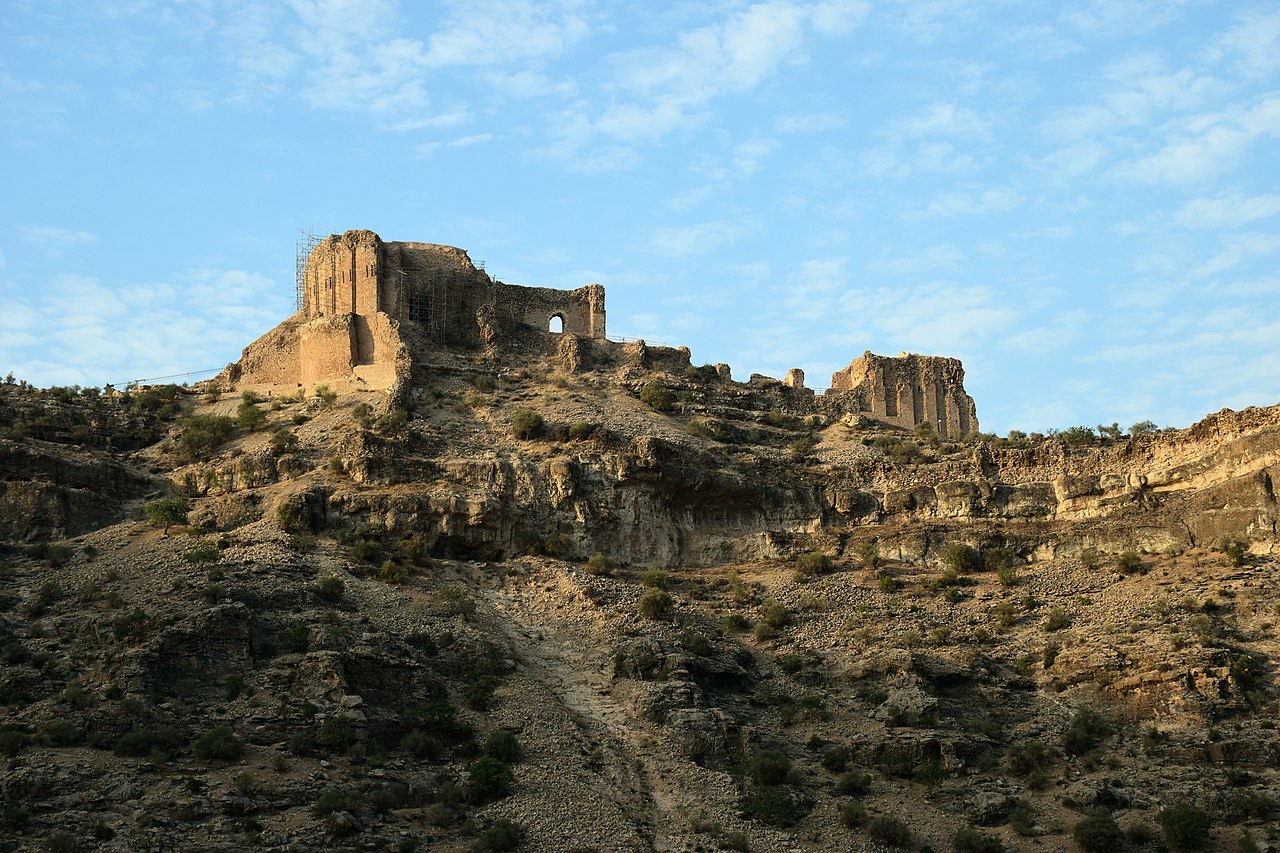
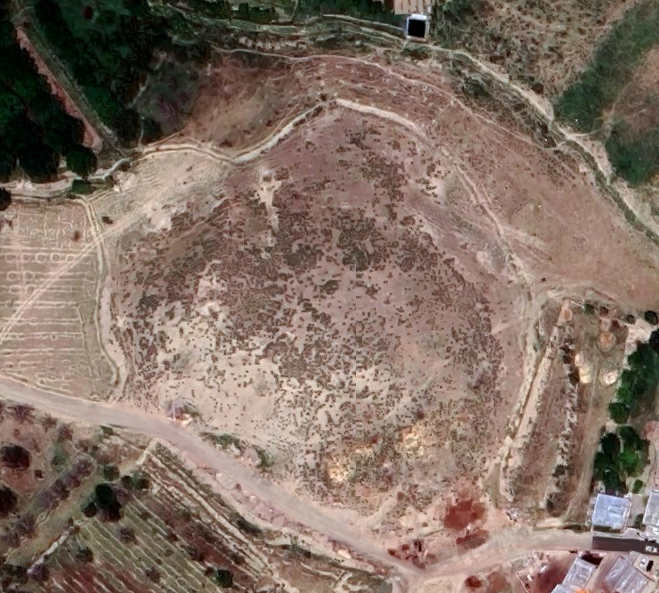
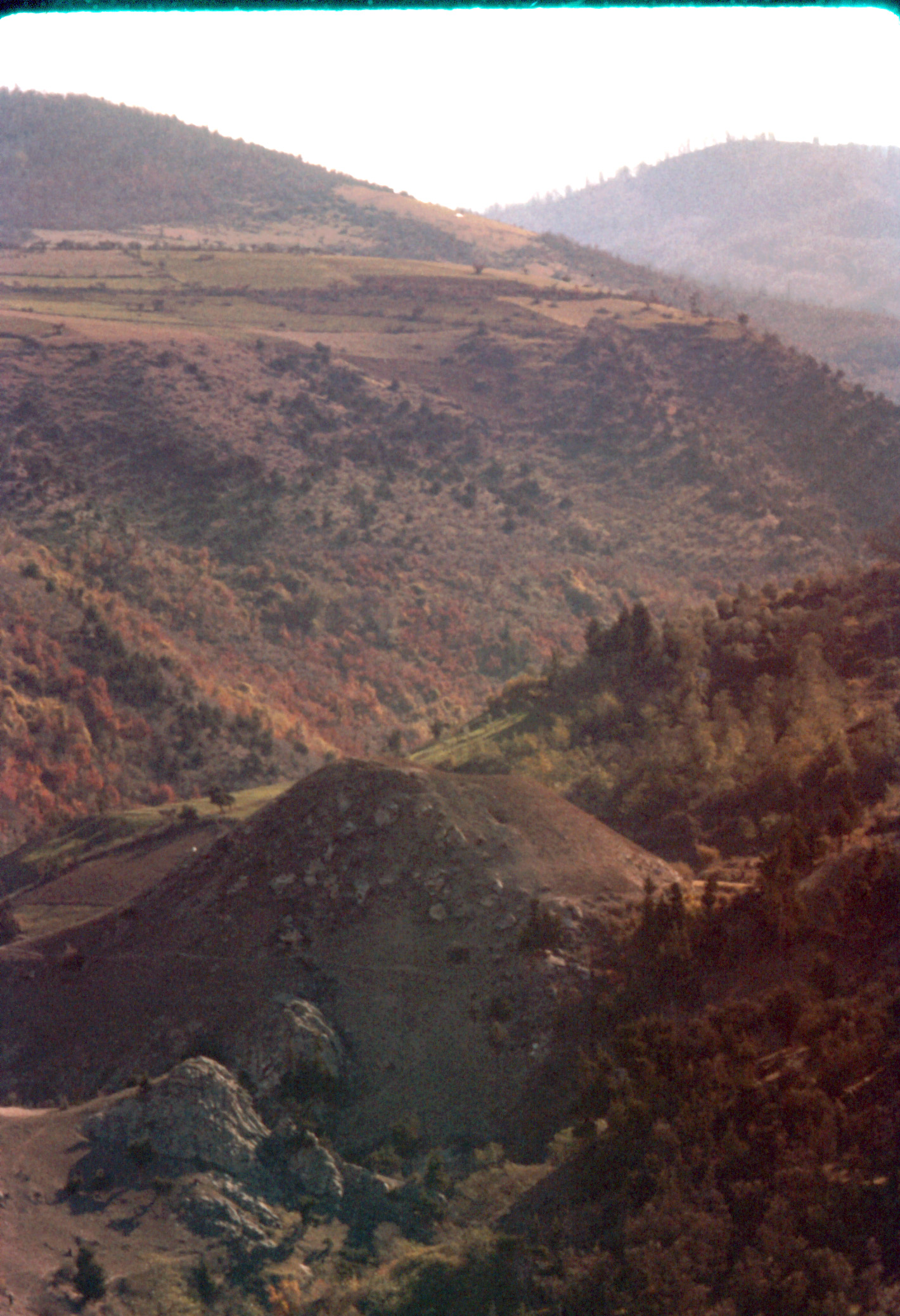
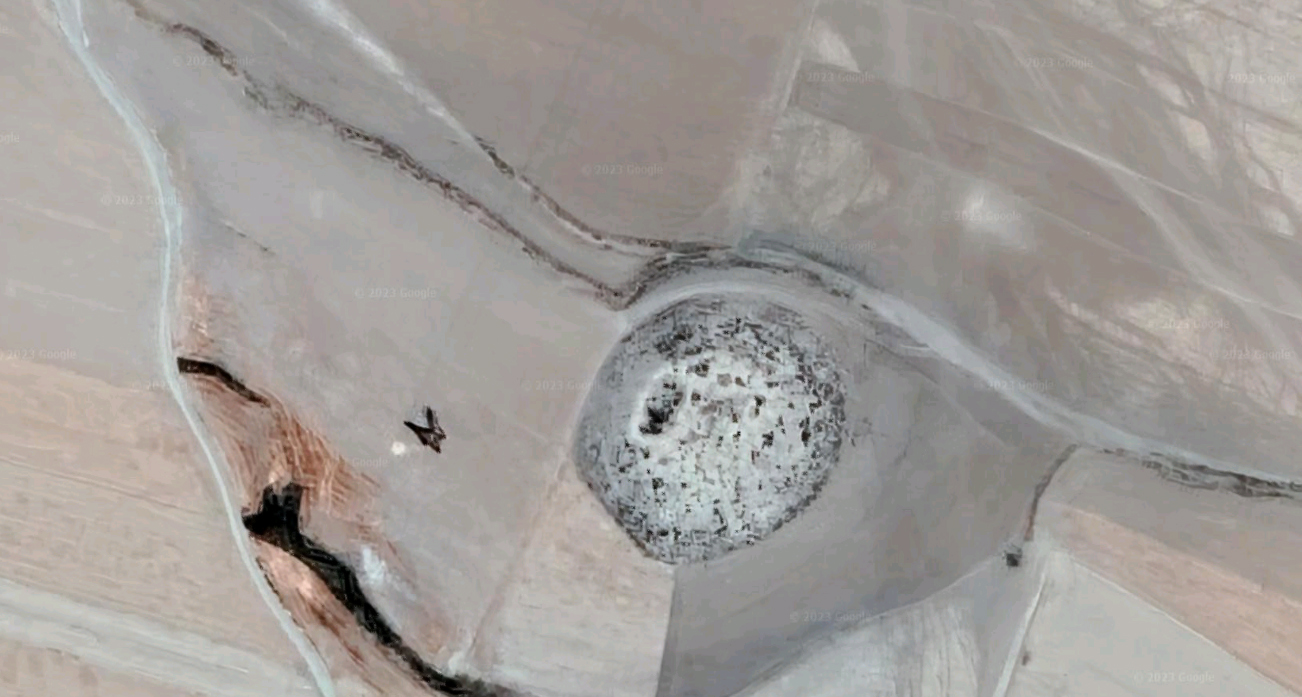
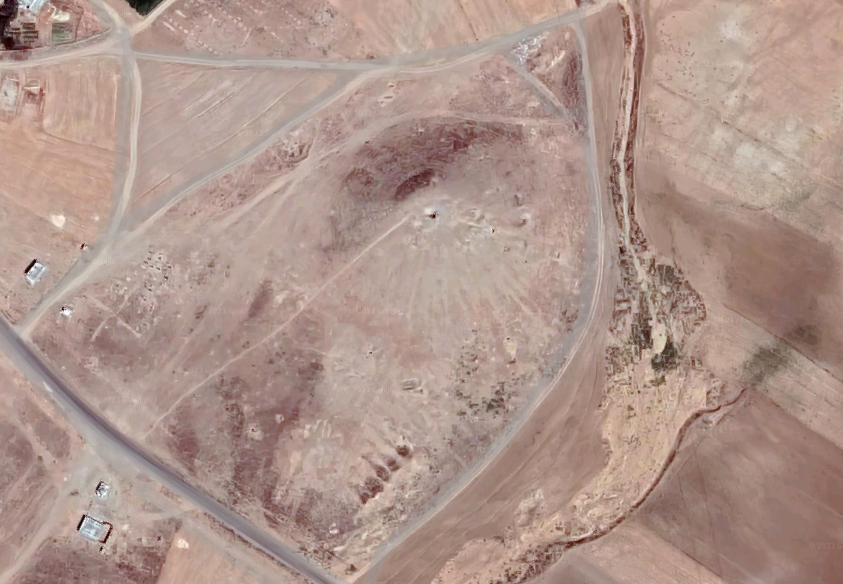
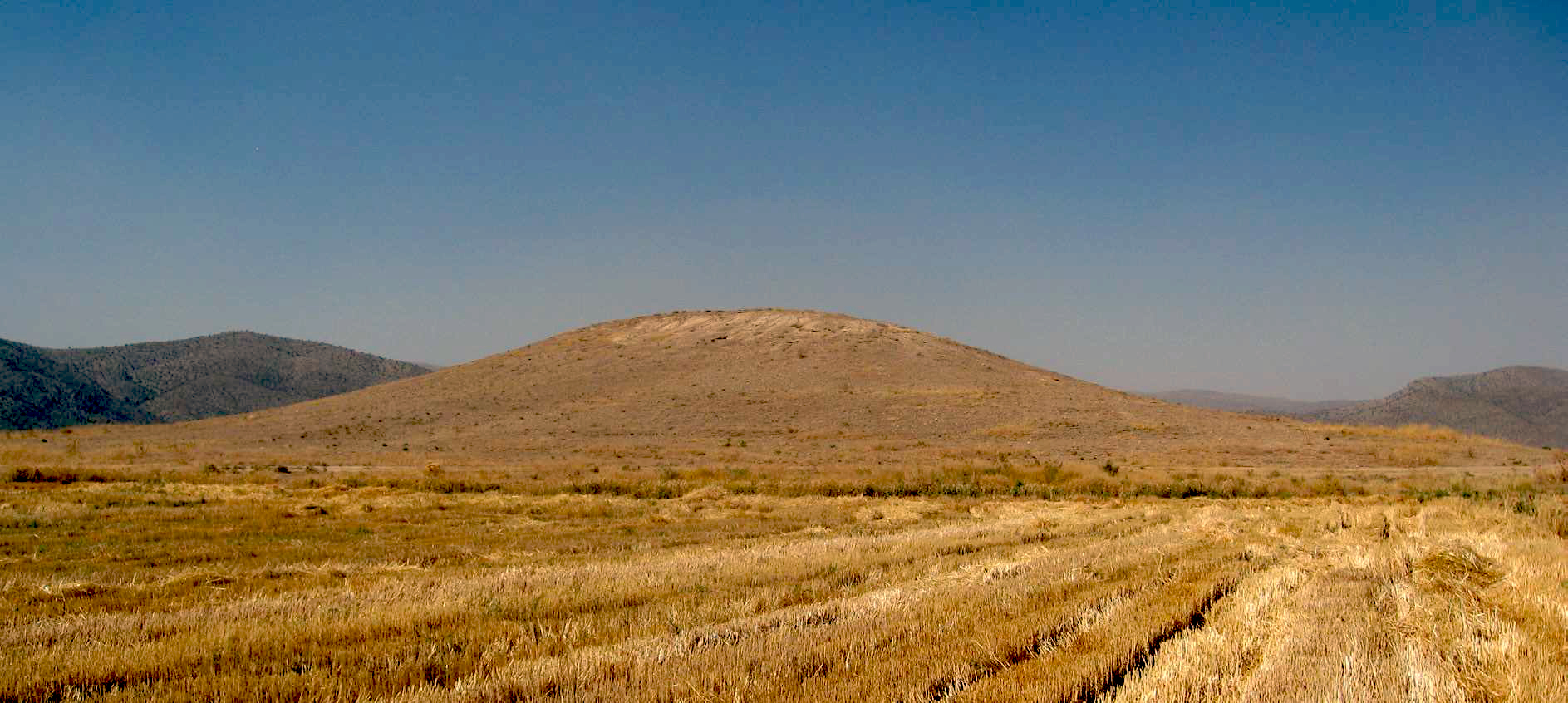
Lamasar is situated on an old north–south route leading from Qazvin, across the Alborz range into the valley of the Pol-i Rud and further on to Rudsar on the Caspian Sea. The castle is visible from afar on a strategically advantageous rocky outcrop located at the point where a stream descending from an Alborz pass enters the valley of the Shahrud. The most practical approach to the castle is from the south, crossing the mountains northeast of Qazvin to reach the town of Rāzmiyān in the Shahrestān district. From there, the ruins of the castle can be reached only on foot, requiring approximately an hour’s hike. The mountain where the castle was built is protected by the Nīnehrud, a tributary of the Shahrud, and a stream named Lamehdār, forming a triangle.
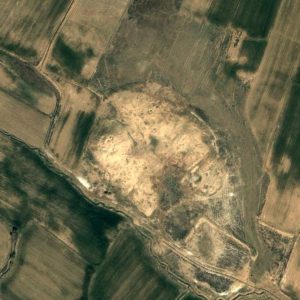
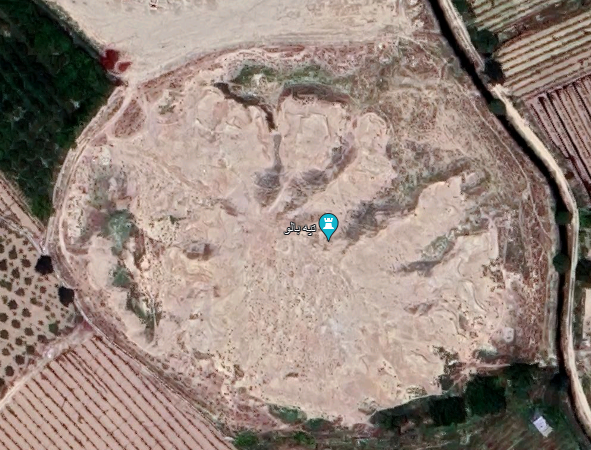
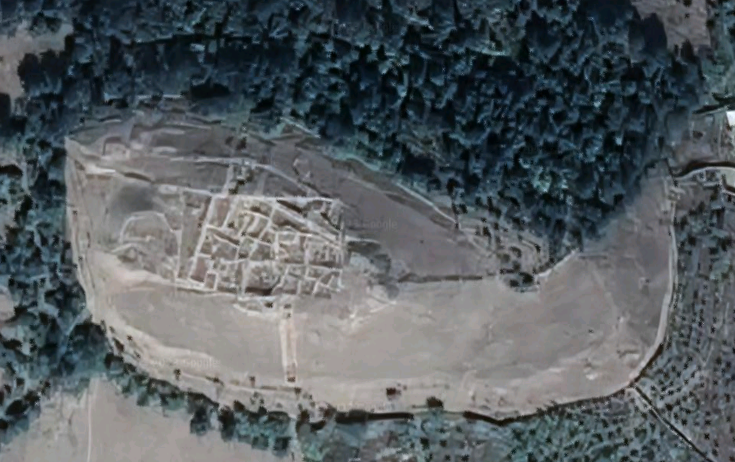
The mountain’s summit consists of a sloping, flat land descending toward the south. The difference in elevation between the upper and lower levels is about 150 m., creating a suitable location for the construction of numerous buildings. This plateau extends 404 m. from south to north and is 192 m. wide from east to west. On three sides—east, south, and north—it ends in terrifying precipices. The castle was strategically situated to guard the Alamut valley against attacks approaching through the Shahrud valley, making it an important component of the Ismaili defensive network. Bōzōrg Ōmīd enlarged the fortress and strengthened its fortifications, further enhancing its defensive capabilities. Despite its formidable natural and artificial defenses, however, the castle remained relatively isolated and consequently played only a limited role in the political and military history of the Nizari Ismailis.
According to Jovayni, there had been a castle at Lamasar before Hasan Sabbah came into the valley of Alamut (Tarikh-e Jahāngōshā, vol. 3, p. 679):
“The occupants of the castle of Lammasar, which is in the Rudbar of Alamut, having refused to be converted, he dispatched one of his companions (rafiq), a man called Kiya Buzurg-Umid, with a band of Heretics; they climbed up by stealth in the night of the 24th of Zul-Qa’da, 495 [10th of September, 1102] and slew the inhabitants. Buzurg-Umid resided in the castle for 20 years and did not come down until he was summoned by Hasan.”
Rashid al-Din Fazlallah, the celebrated Persian statesman and historian of the late thirteenth and early fourteenth centuries, gives a similar but slightly different account of the Ismaili capture of the castle as follows (Jāmiʿ al-Tawārīkh, pp. 115-116):
“The fortress of Lamsar was in the district of Rūdbār-i Alamut. Its inhabitants, together with Rassāmūj, Lāmsālār, and their relatives—who had previously been obedient and submissive—rebelled at this time and sought to surrender the fortress to ʿAlī Nūshtakīn.
Sayyedenā [Hasan Sabbah] was willing that Rassāmūj should take from him the provisions for the fortress and retain possession of Lamsar, but he refused. Consequently, Sayyedenā dispatched Kiyā Bōzōrg Ōmīd, Kiyā Jaʿfar, Kiyā Abū ʿAlī, and Kiyā Garshāsf. On the night of Wednesday, the twentieth of Dhū al-Qaʿda in the year 489 AH (AD 1096), they ascended the fortress and secretly entered it. Rassāmūj and Kāljada [possibly Rassāmūj brother] advanced against them with weapons in hand. Both were killed by Kiyā Bōzōrg Ōmīd, and Lamsar was captured without any of his companions receiving so much as a wound.
At that time, the fortress stood upon a desolate mountain, with only a few ruined buildings on its summit. There was neither water nor vegetation nearby, and the climate was exceedingly hot. Sayyedenā ordered the fortress to be restored and improved. From Nīnehrud, a stream situated two and a half farsakhs away, a channel was cut through the rock to bring water to the summit of the fortress. Within the fortress they constructed mills, gardens, a grain store, and an icehouse. The entire area at the foot of the fortress was cultivated and turned into orchards, so that it resembled a palace set amid a garden. The climate became pleasant, and the fortress was made even stronger, so that nowhere in the world was there said to be a more splendid fortress. The people of the district of Lamsar, however, remained unsubmissive. Sayyedenā brought them all under his authority and subdued all the villages in the surrounding region. Sayyedenā entrusted the fortress to Kiyā Bōzōrg Ōmīd, who resided there for twenty years, until the time when he was summoned from it.”
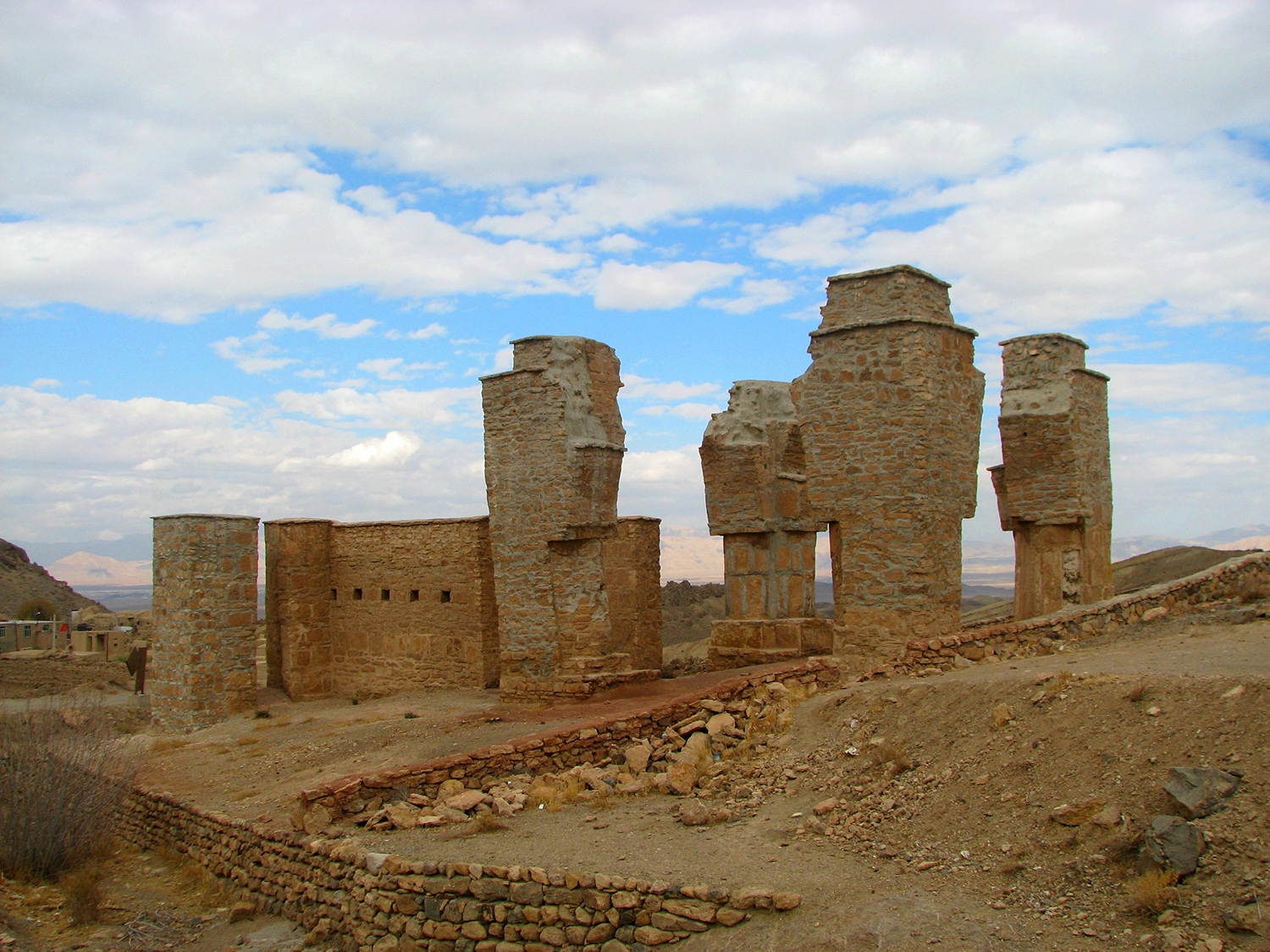
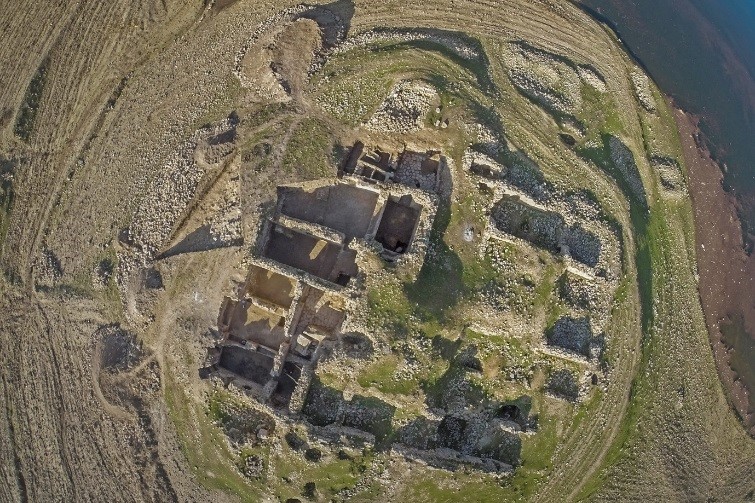
Large portions of the layout of Lamasar castle are still recognizable, and its surviving walls are better preserved than those on the rock of Alamut. The fortress is divided into three sections. The Lower Castle at the south gate is the principal entrance of the stronghold. The Middle Castle, used for defensive purposes, is divided into two areas. The highest sector is the Upper Fortress near the north gate.
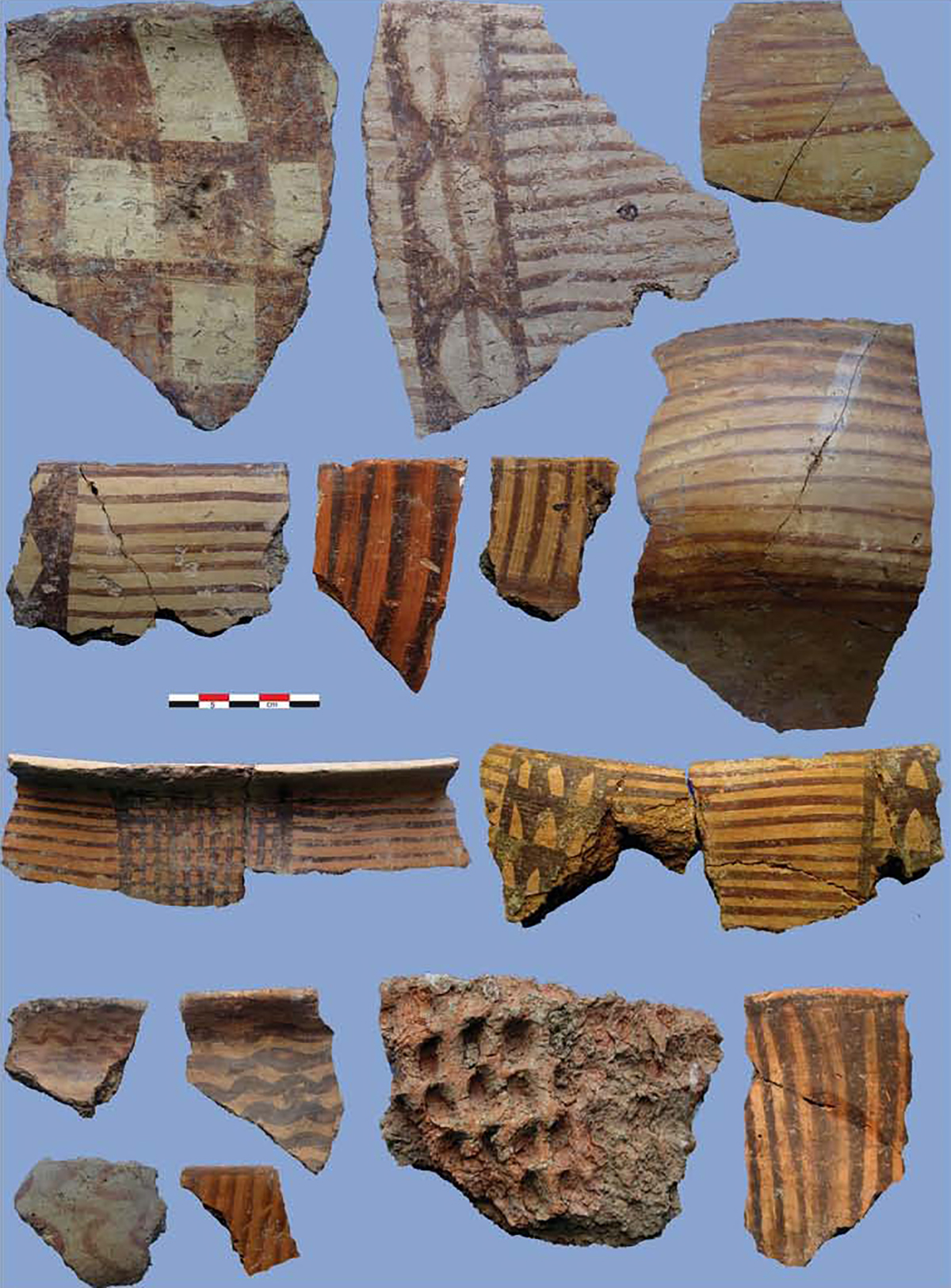
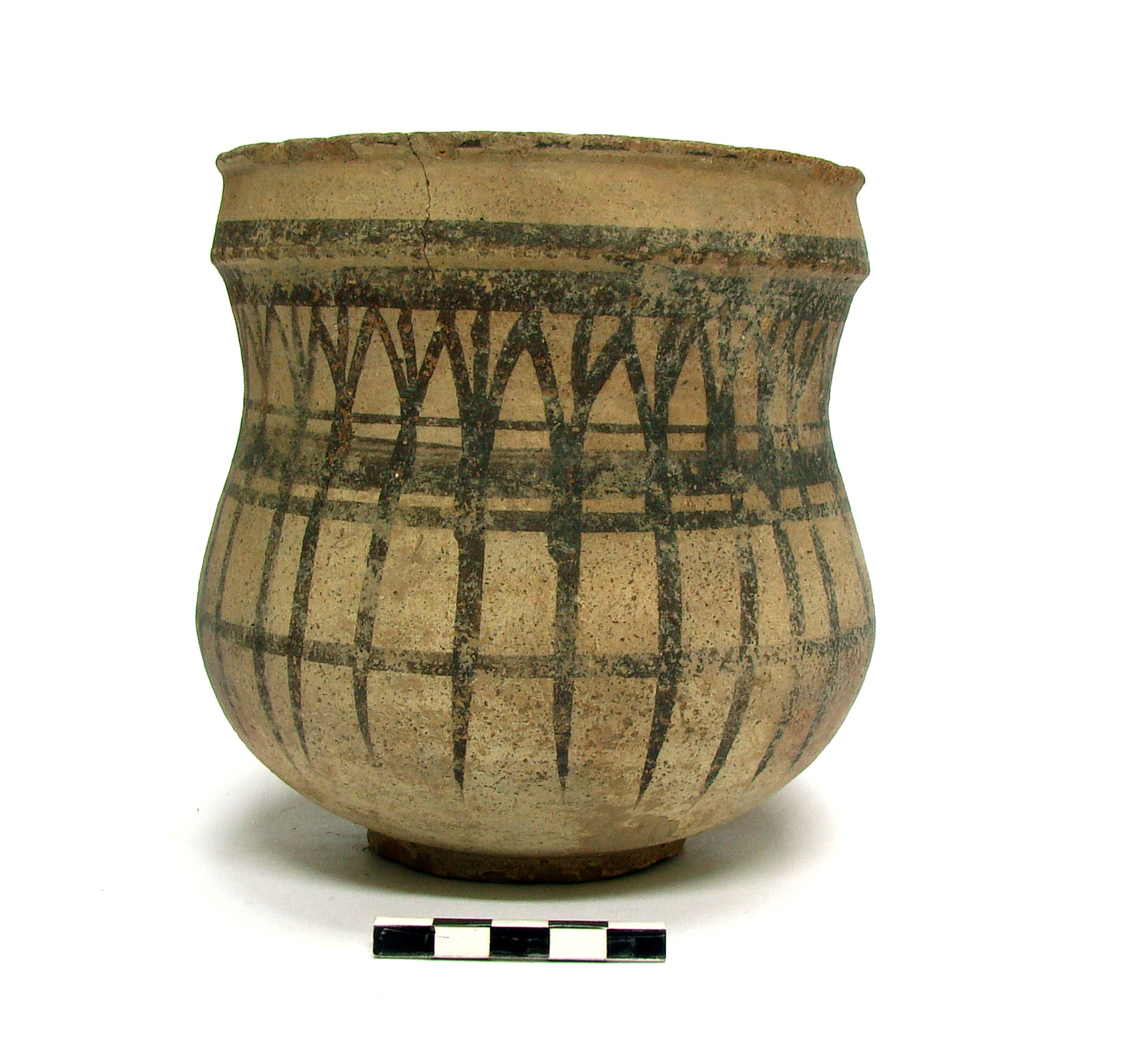
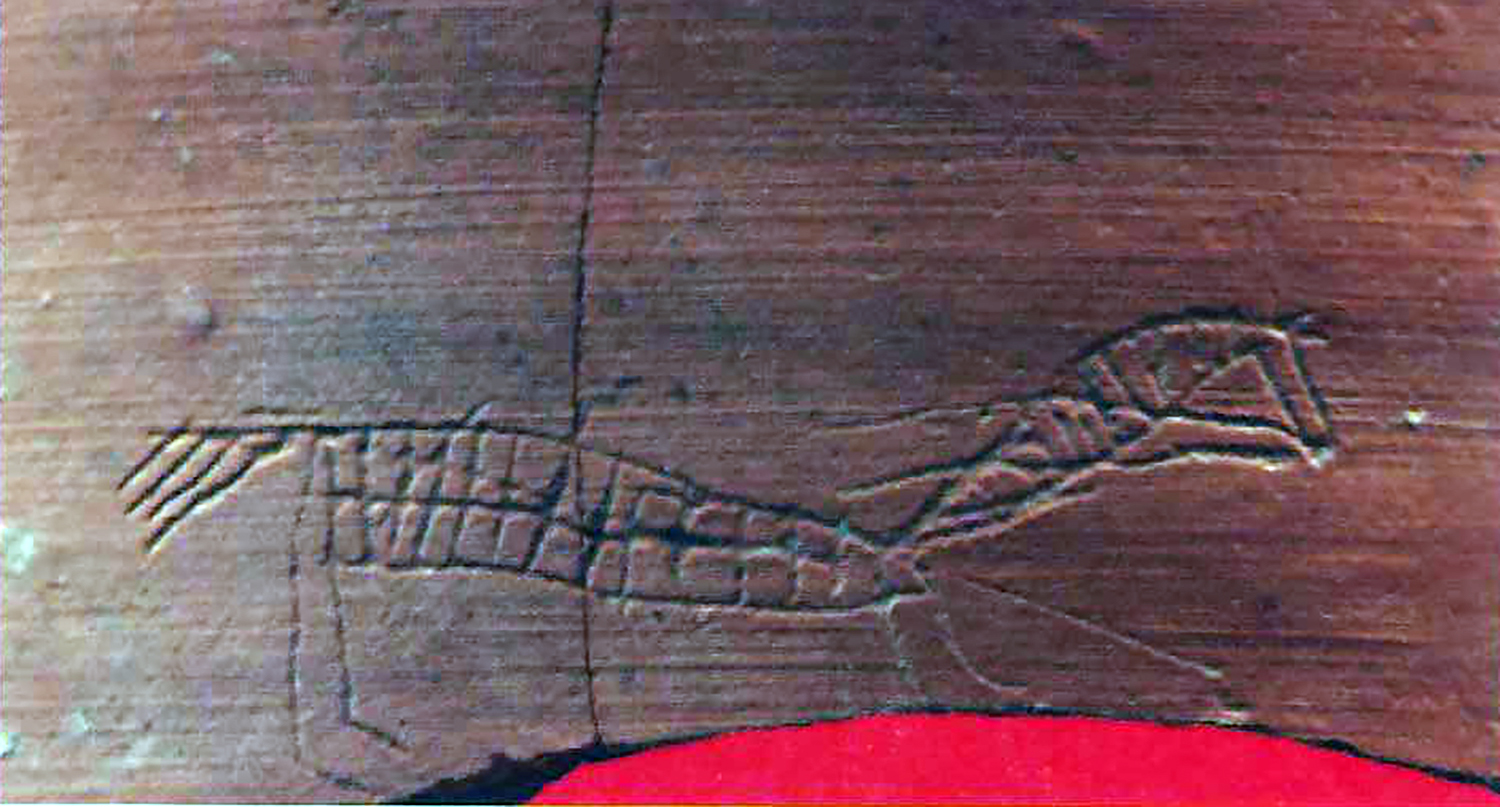
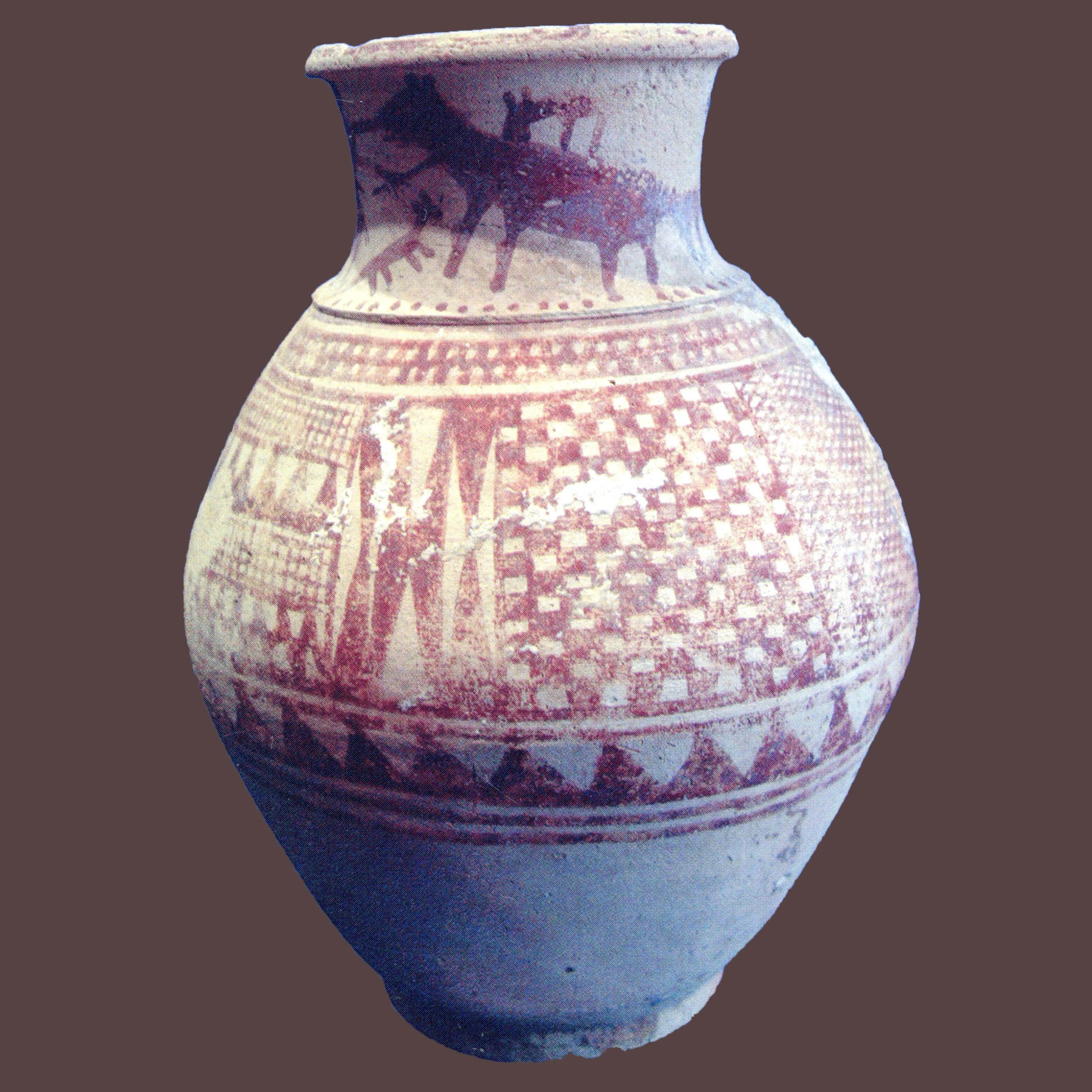
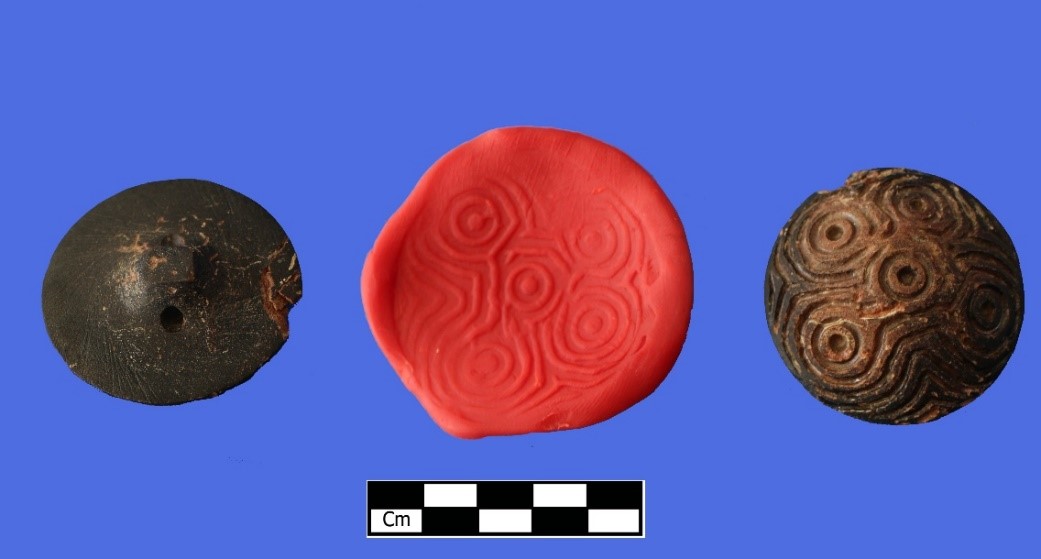
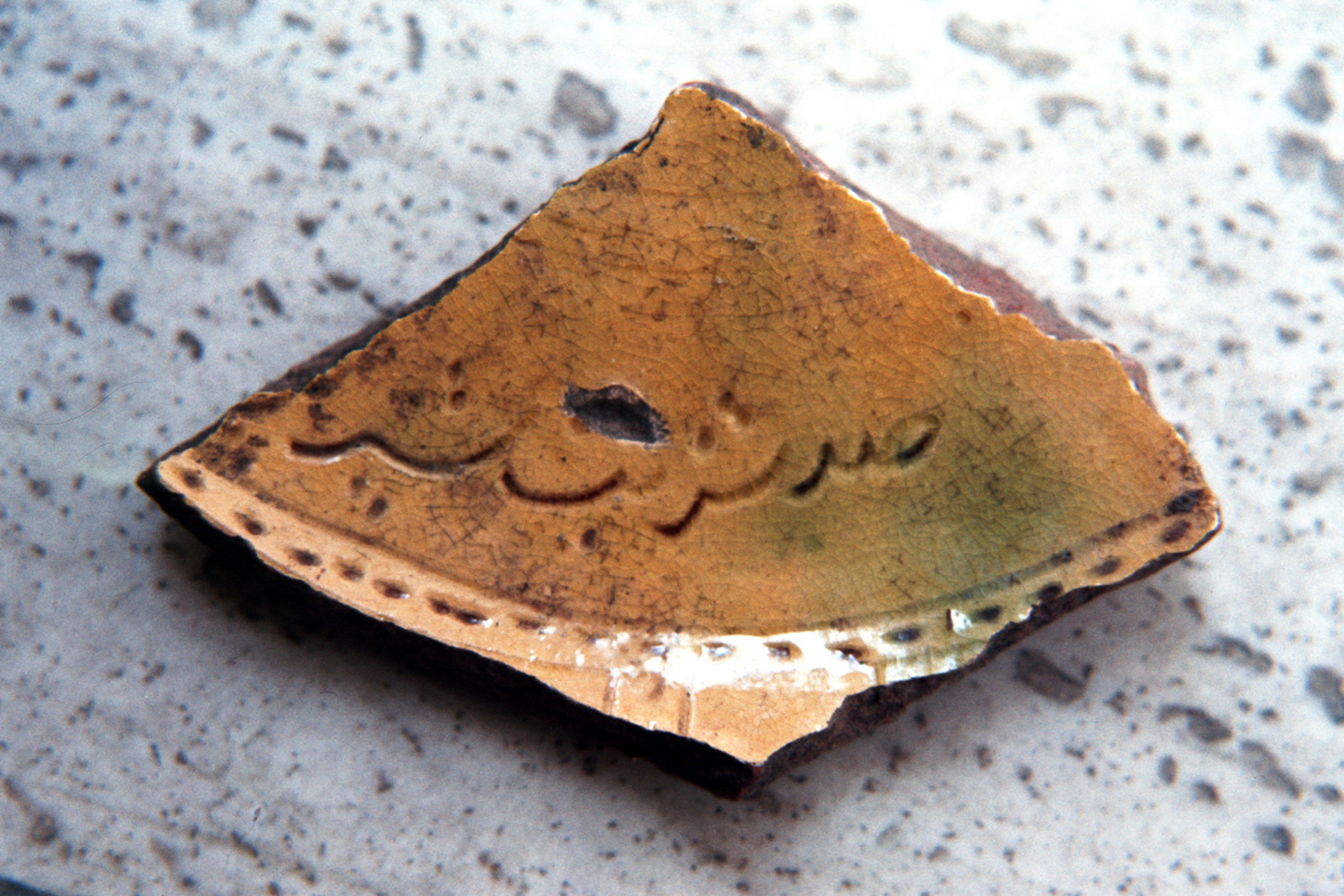
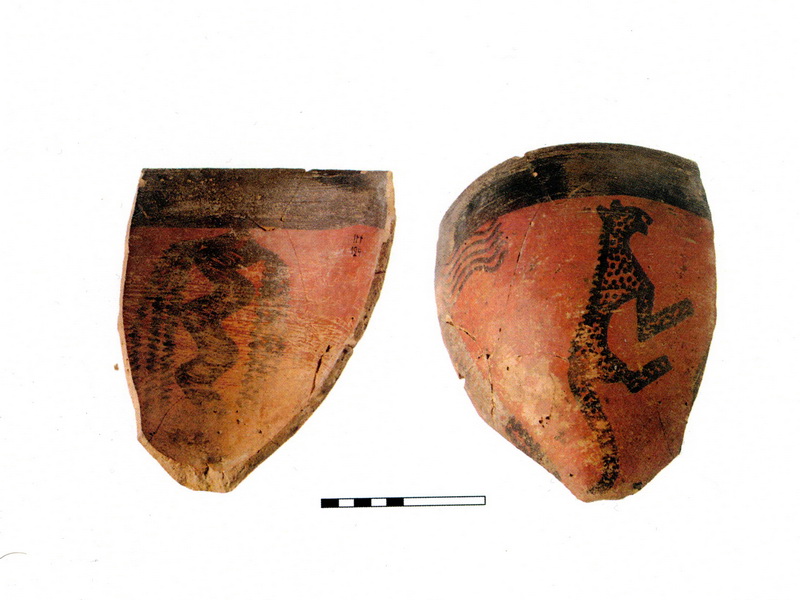
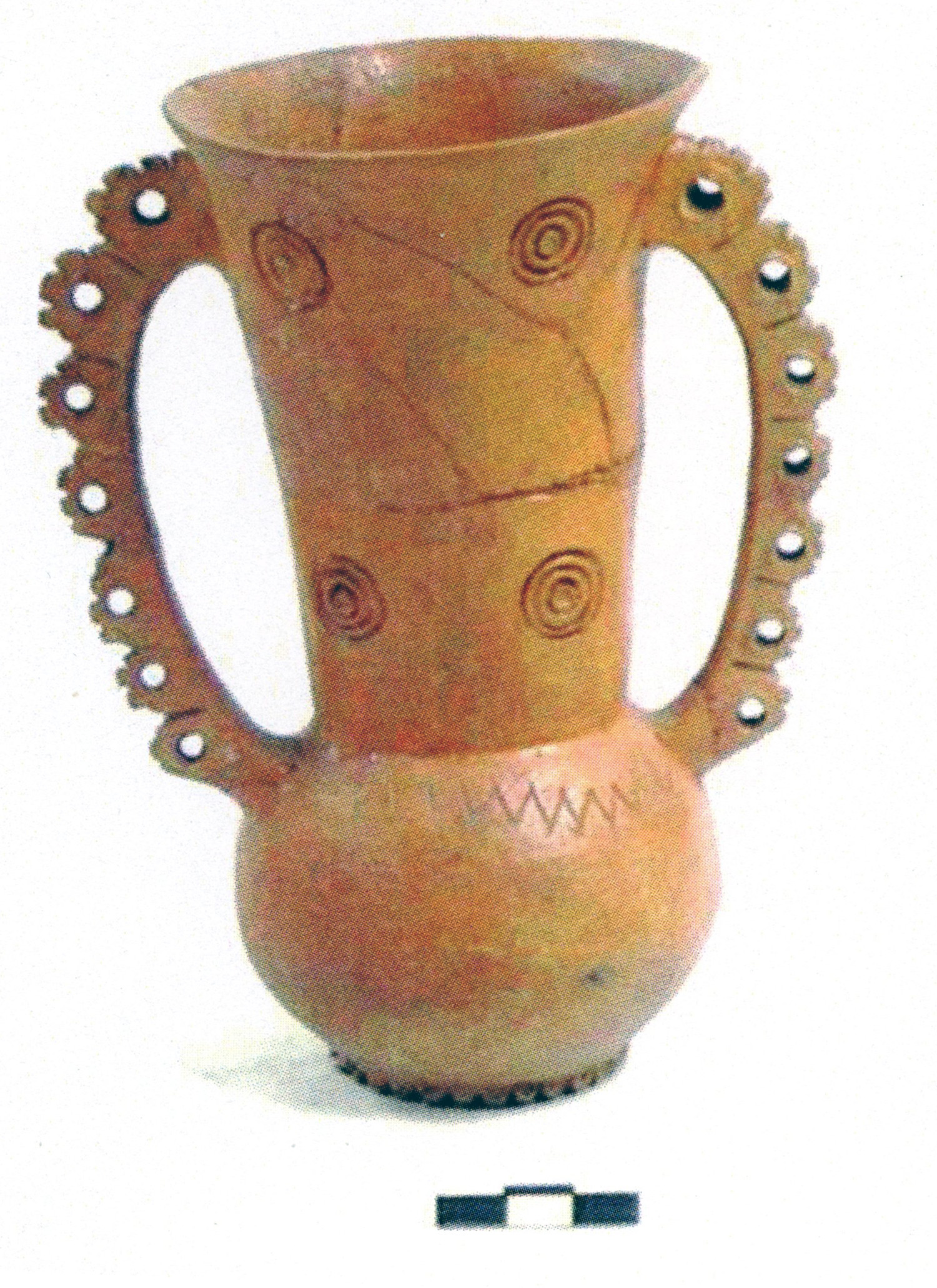
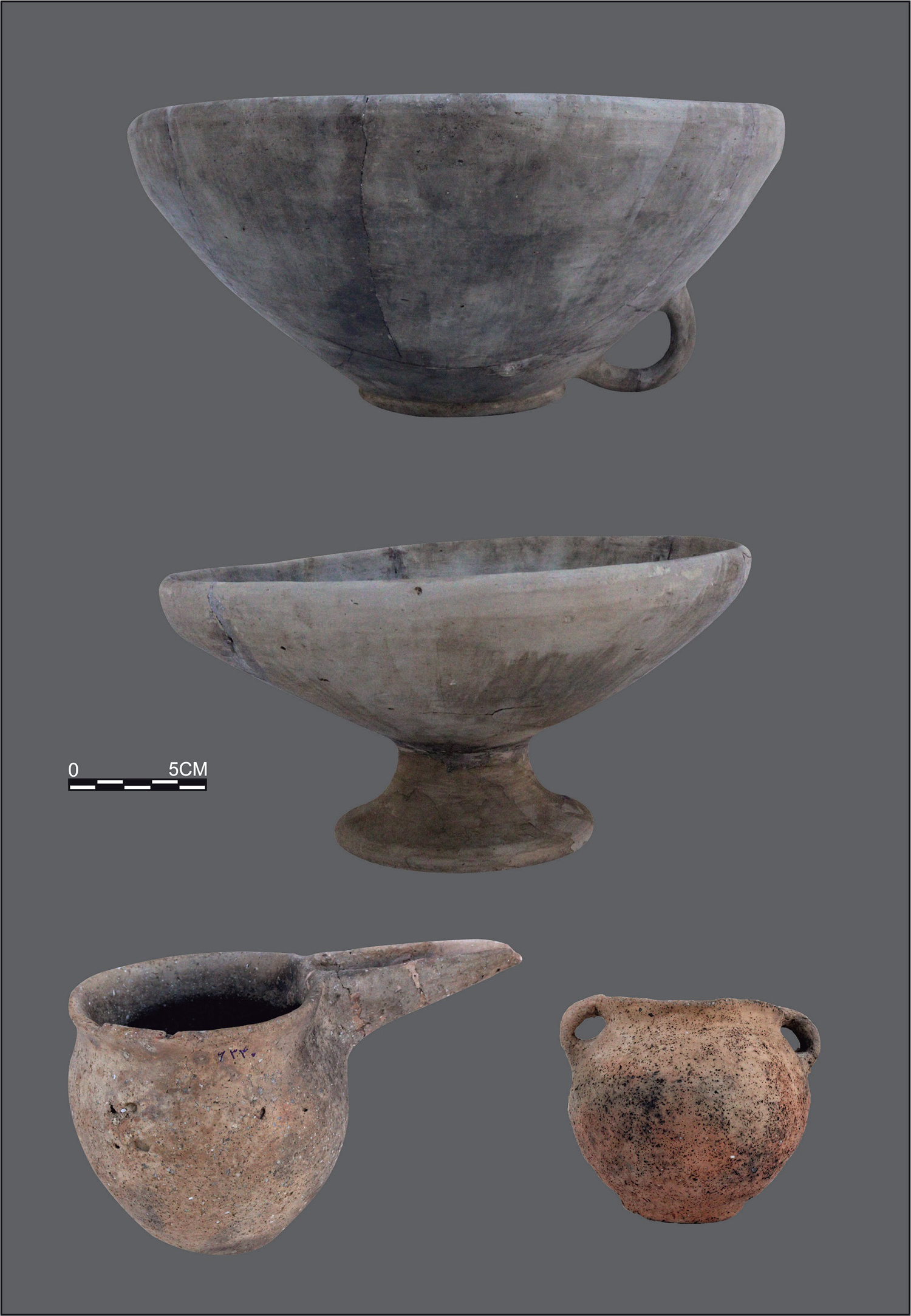
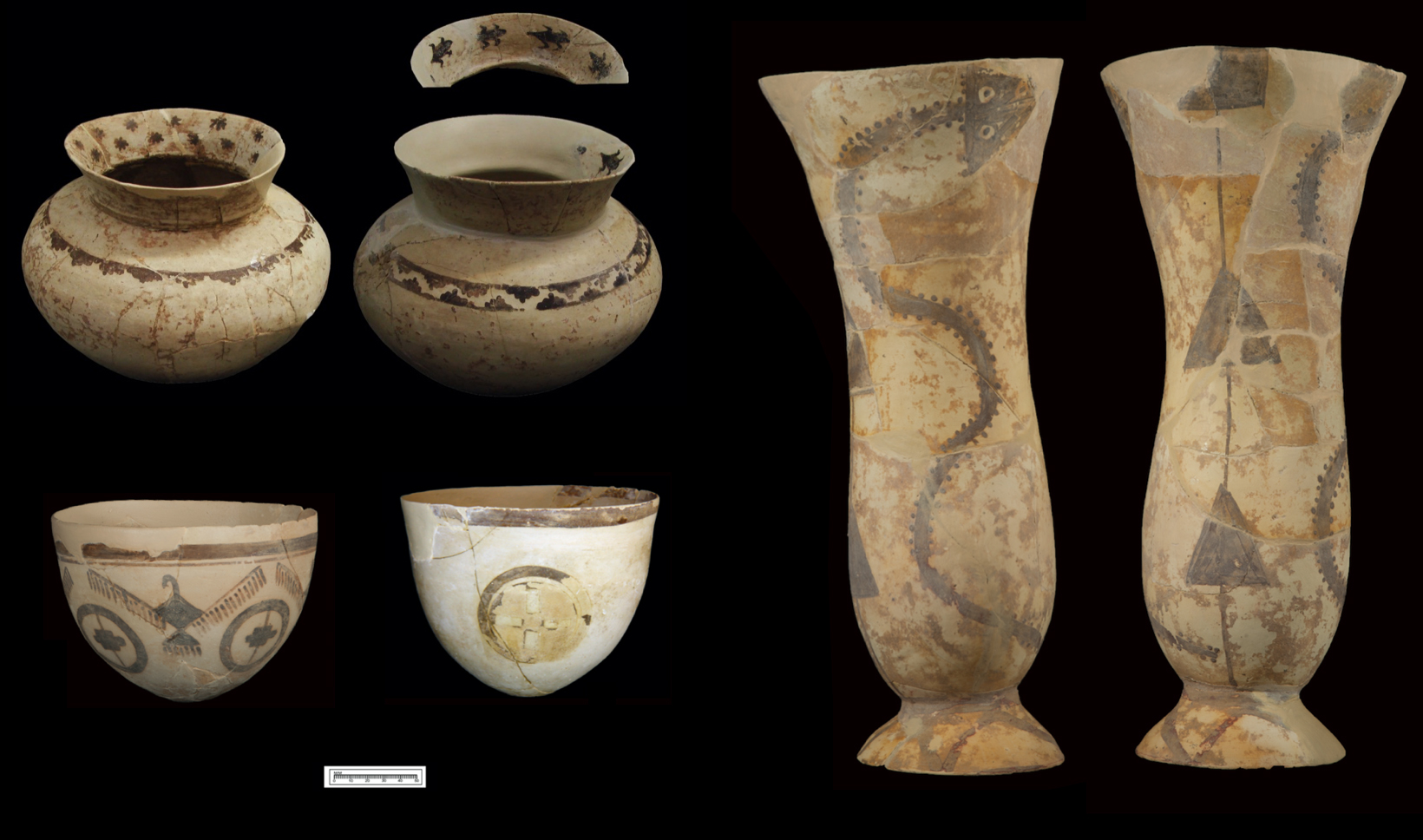
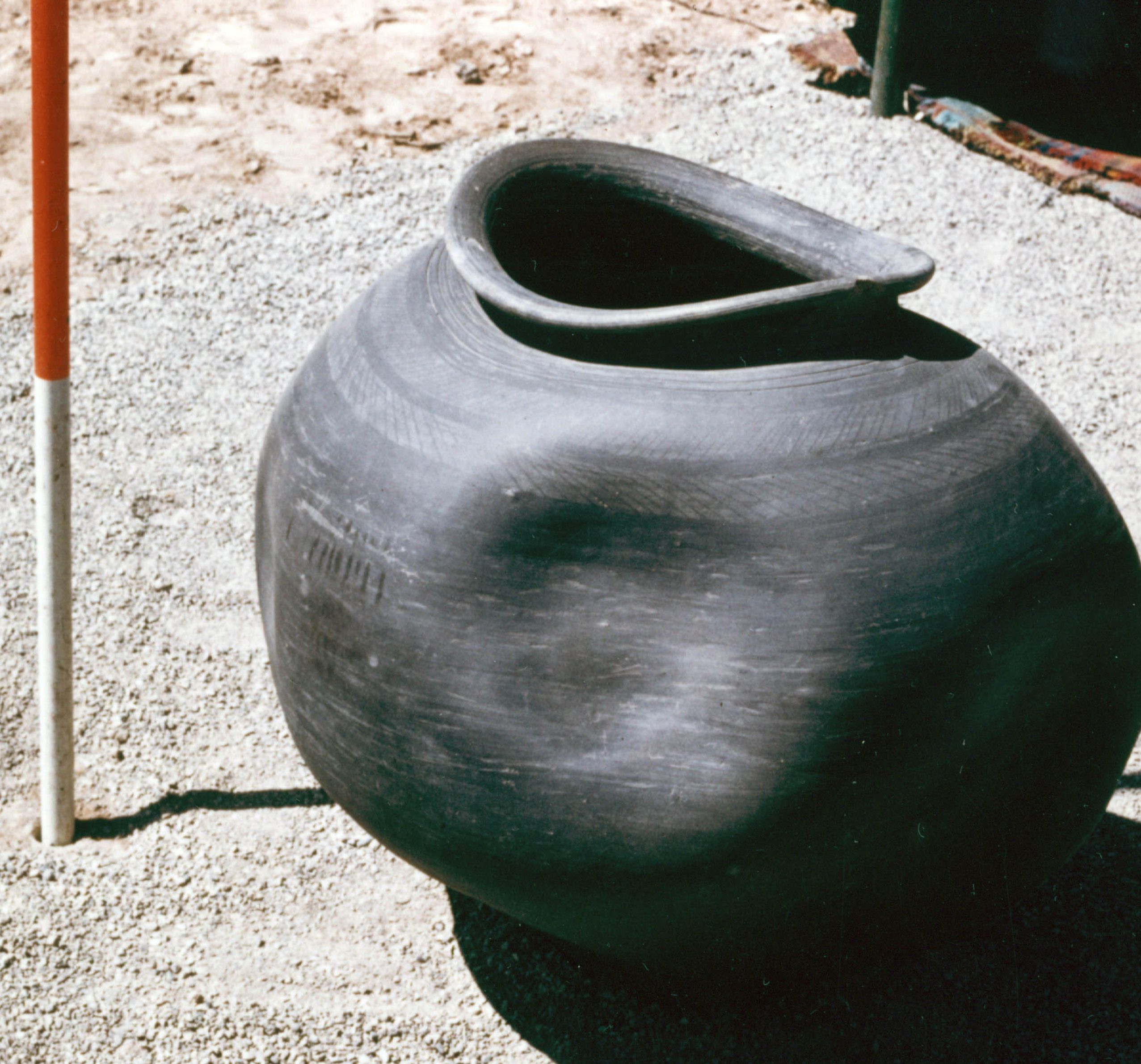
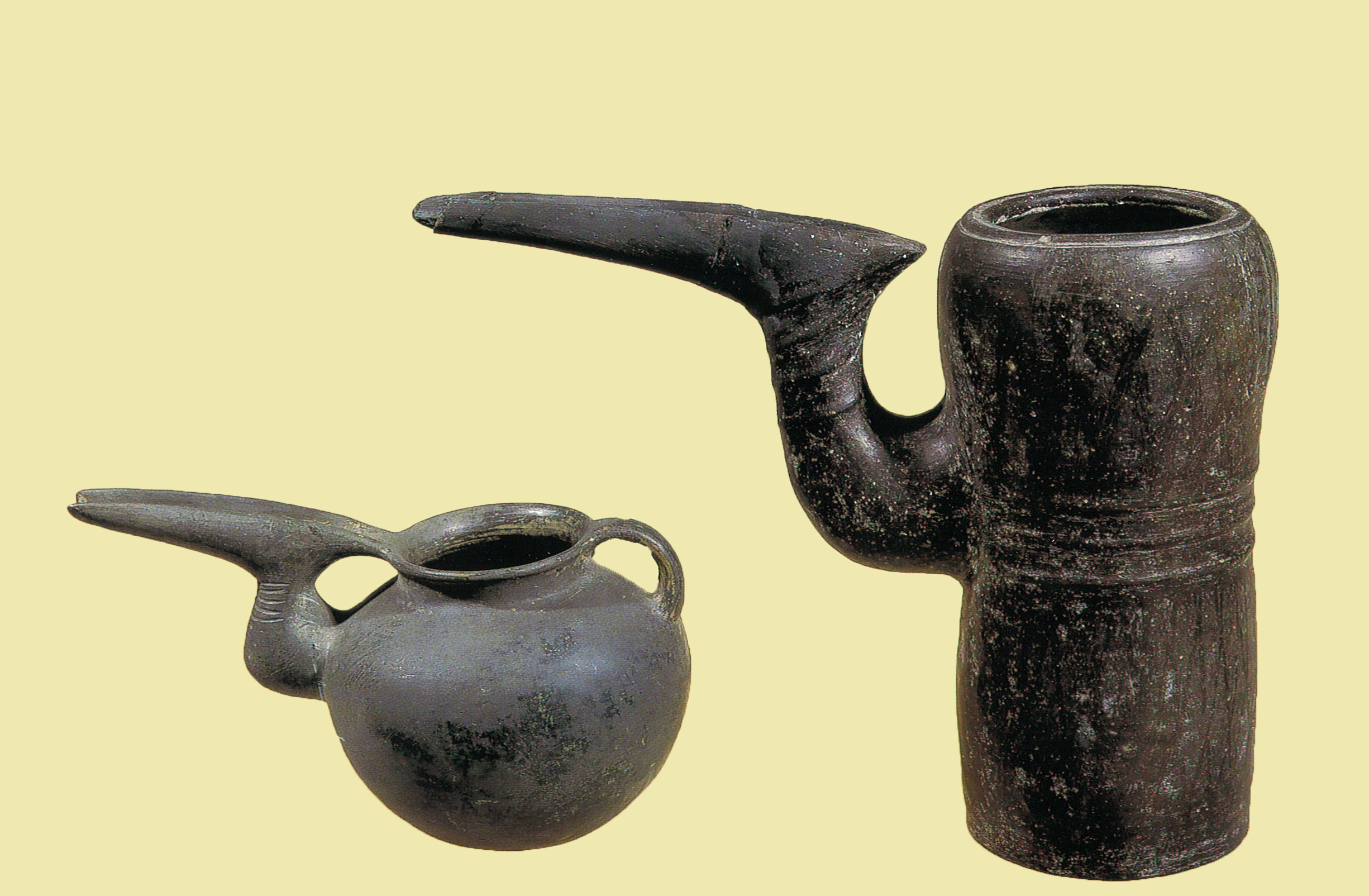
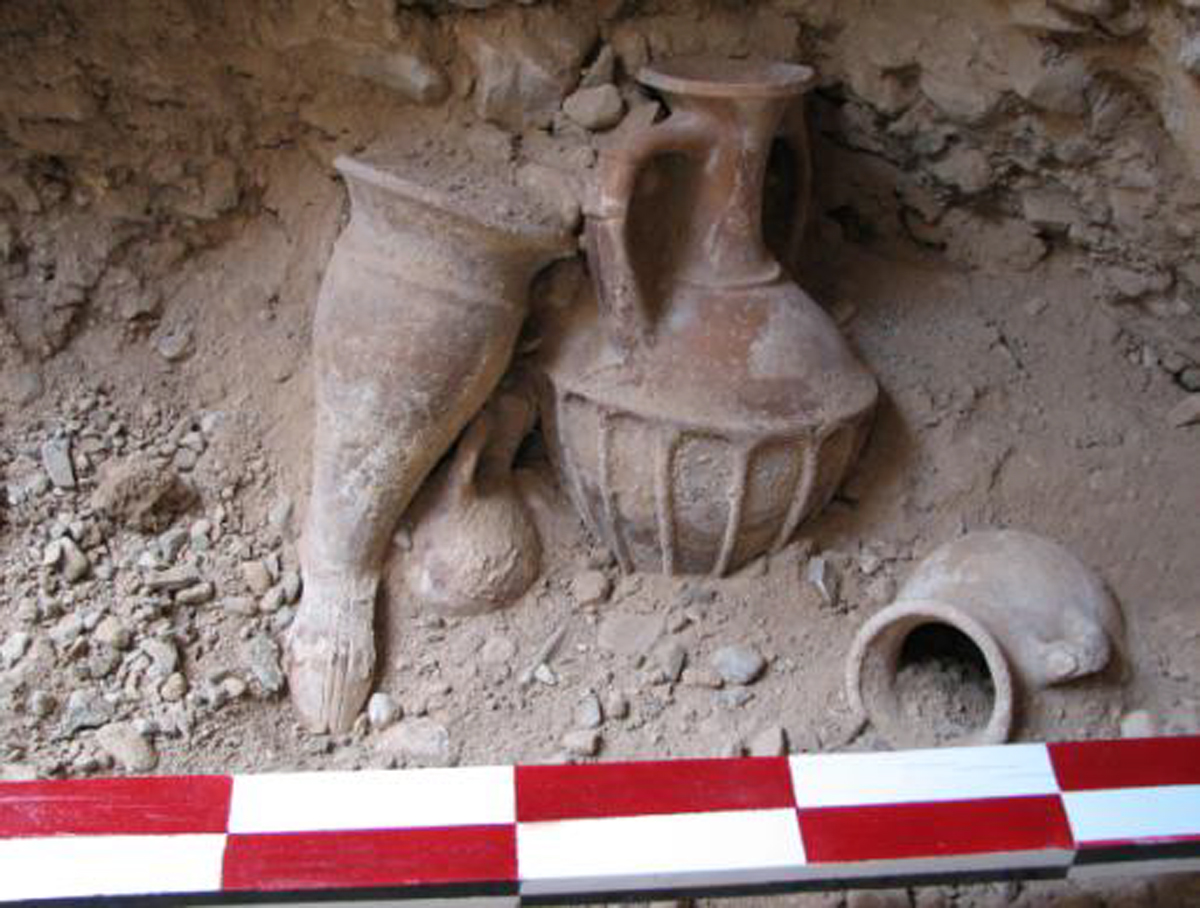
The rocky outcrop on which the castle is built falls away steeply on all sides, in places even forming overhangs. The south gate is located at the lowest point of the fortress. A spiral pathway within the advanced gate complex ascends to the inner south gate, thereby overcoming the height of the rock massif by following the sloping terrain. In the area of the Lower Castle, several cisterns have been cut into the bedrock. A wall separates the Lower Fortress from the Middle Castle. The Middle Castle also contains several cisterns and a row of buildings composed of long rectangular rooms arranged in the manner of barracks. The Upper Castle is separated by its elevation, and its constructions are spread over three natural terraces, with the highest in the western sector. The Upper Castle’s best-preserved building is the Main Keep to the west of the northern gate, with a central hall with four corner rooms. The ground plan of a barracks building is even more clearly preserved. Pottery is also abundant at Lamasar. Among the unglazed wares, decoration is used with striking restraint. One reddish-brown potsherd is decorated with white painted ornamentation.
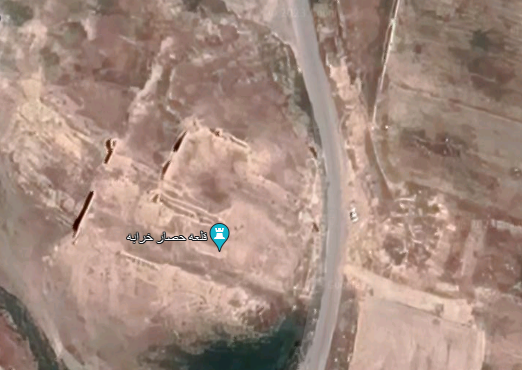
The ascent from these cliffs would be extremely difficult, if not impossible, for any attacking force, unless the attackers were mountaineers or possessed exceptional climbing skills. Only part of the eastern side, facing the river valley, has a gentler slope. For this reason, a massive defensive wall built of very large cut stones was constructed there. Today, only a portion of it remains, measuring about 20 meters in length and 10 meters in height.
According to Ivanow, Lamasar, being considerably larger than Alamut, was practically impregnable and therefore of even greater strategic importance. Its formidable natural defenses further enhanced its security: the deep valleys surrounding the fortress made the deployment of siege engines virtually impossible, while hauling such heavy equipment up to the stronghold would have posed extraordinary logistical difficulties.
Archaeological Exploration
Due to its high altitude and difficult access, Lamassar was never excavated. The ruins were visited by several scholars in the twentieth century. In December 1928, Vladimir Alekseevich Ivanow, an eminent Russian scholar and specialist in Ismaili history, reached the Alamut Valley but was unable to do anything “beyond forming a general idea of the locality” because of unfavorable weather. Then, he revisited the valley in the fall of 1937. But it was not until 1957 that he could carry out a systematic survey of the entire castle and published a topographic plan of the site in
In 1957–58, building on his earlier archaeological work conducted in 1928 and 1937, he undertook extensive studies of the fortresses of Alamut, the seat of the Neẓāri Ismaʿili state (483–654/1090–1256), and Lamasar, producing what remains the most comprehensive monograph on the subject (see bibliography).
Later comes the description of the ruined castle by Manuchehr Sotūdeh based on his visit and study, and it was first published in 1967 (see bibliography). Peter Willey’s account of his visit to the castle in 1960 appeared in his book, The Castle of the Assassins, in which he also included a sketch survey map of the site. Finally, the most comprehensive description of the castle is by Parviz Varjavand in his Sarzamin-e Qazvin, which includes better photographs of the ruins (see bibliography).
As for the study of the surface materials scattered at the site, Wolfram Kleiss’ short article includes drawings and photographs of potsherds dating to the period of the castle’s occupation (see bibliography).
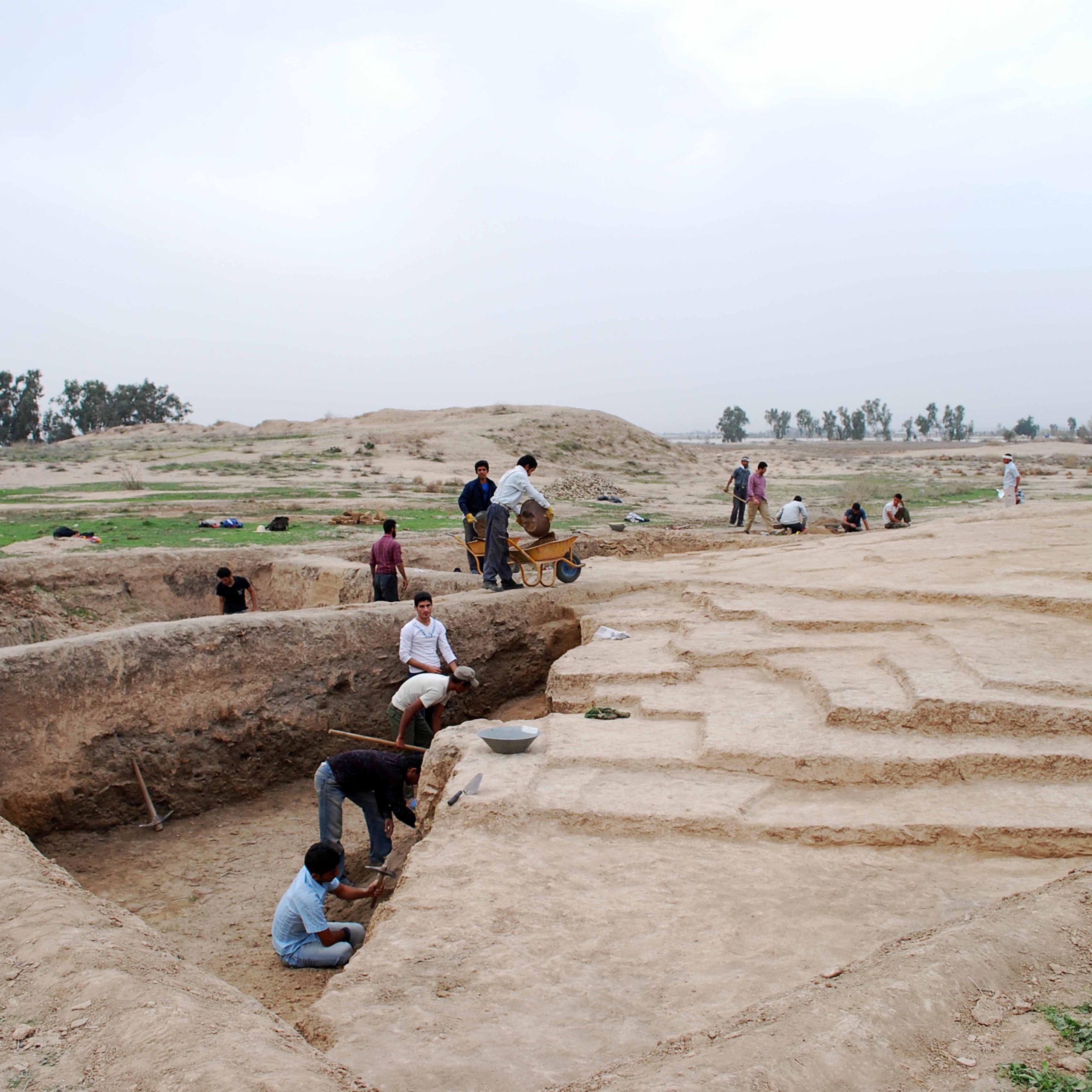
In 2009 and 2022, the ruins of the castle have been the subject of archaeological fieldwork and excavations carried out by Hamideh Choubak and Kambiz Kabiri on behalf of the Iranian Center for Archaeological Research.
Given its geographical proximity to Alamūt, the Lamasar Castle was also inscribed on the UNESCO World Heritage List in 2026.
Bibliography
Bosworth, C.E., “LANBASAR,” Encyclopaedia Iranica. Published December 12, 2014. https://doi.org/10.1163/2330-4804_EIRO_COM_11550
Ivanow, V. A., Alamut and Lamasar: Two Mediaeval Ismaili Strongholds in Iran. An Archaeological Study, Tehran, 1960, pp. 60-74.
Juvaini, ‘Alā-ad-Din ‘Atā-Malik, Genghis Khan. The History of the World Conqueror [Tarikh-e Jahāngoshāy], translated from the text of Mirza Muhammad Qazvini by J. A. Boyle, 2 vols., Manchester, 1958 [reprint 1997 in 1 vol.].
Kleiss, W., “Mittelalterliche Burgen im Elburzgebirge und südlich von Qom,” Archaeologische Mitteilungen aus Iran, vol. 15, 1982, pp. 237-277.
Rashid al-Din Fazlallah, Jāmeʿ al-tawārikh. Qesmat-e Esmāʿiliān wa Fā-temiān wa Nezāriān wa dāʿiān wa rafiqān, edited by Moḥammad-Taqi Dāneshpazhuh and Mohammad Modarres Zanjāni, Tehran, 1960, pp. 115-116.
The nomination file is available at: https://whc.unesco.org/en/list/1770/documents/
Sotuda, M., Qōlāʿ-i Ismāʿīlīyah dar Rishtah-i Kūh’hā-ye Alborz, Tehran, 1345/1967. pp. 72-108.
Stark, F., The Valleys of The Assassins, London, 1934.
Varjavand, P., Sarzamin-e Qazvin, Tehran, 1349/1970, pp. 216-233.
Willey, P. J. E., The Castles of the Assassins, London, 1963, pp. 270-279.