Dāu Dokhtarداو دختر
Dāu Dokhtar is a rock-cut tomb in the western region of Fārs Province, southern Iran.
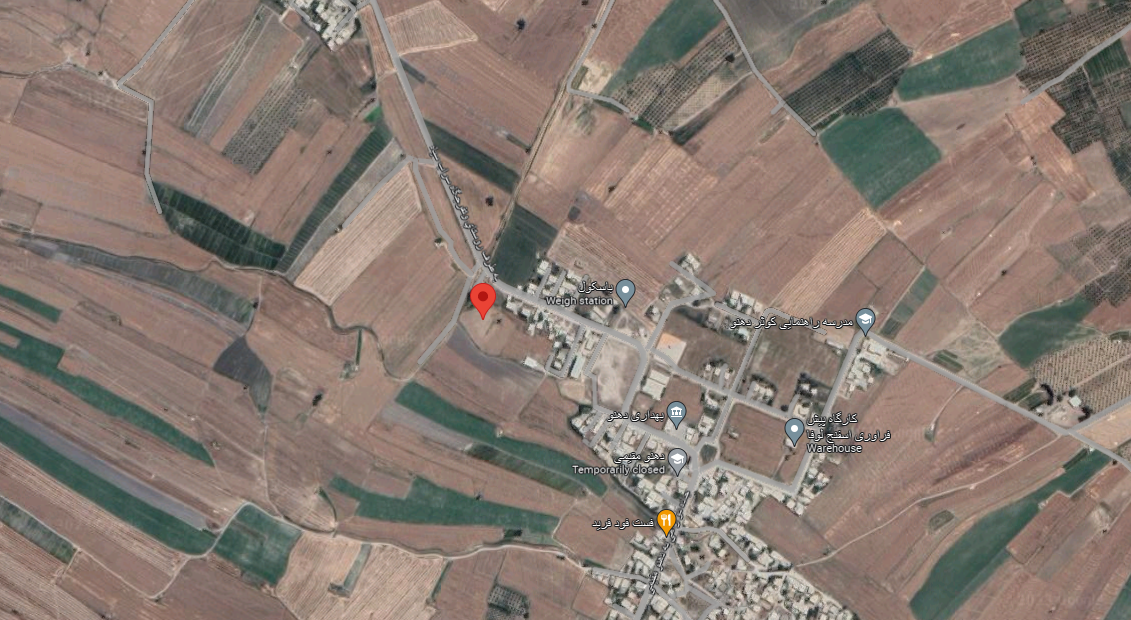
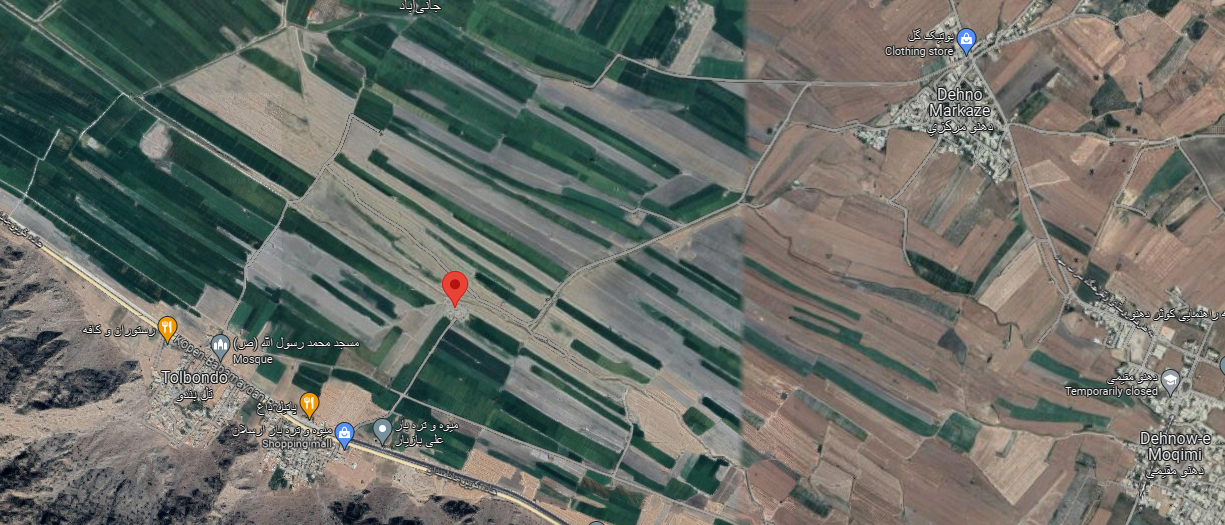
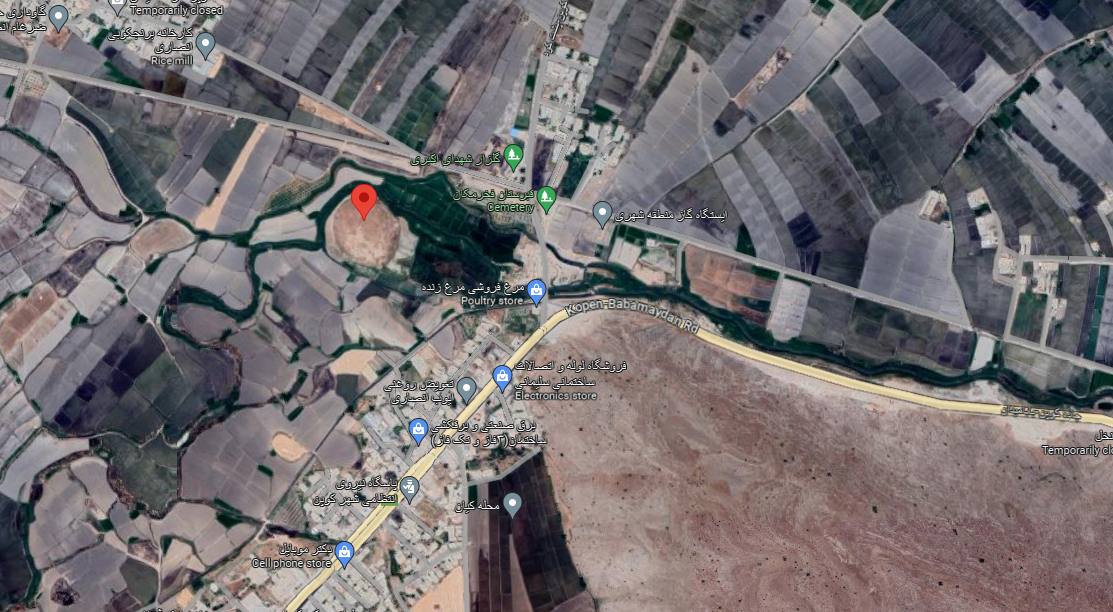
Map
Historical Period
Achaemenid
History and description
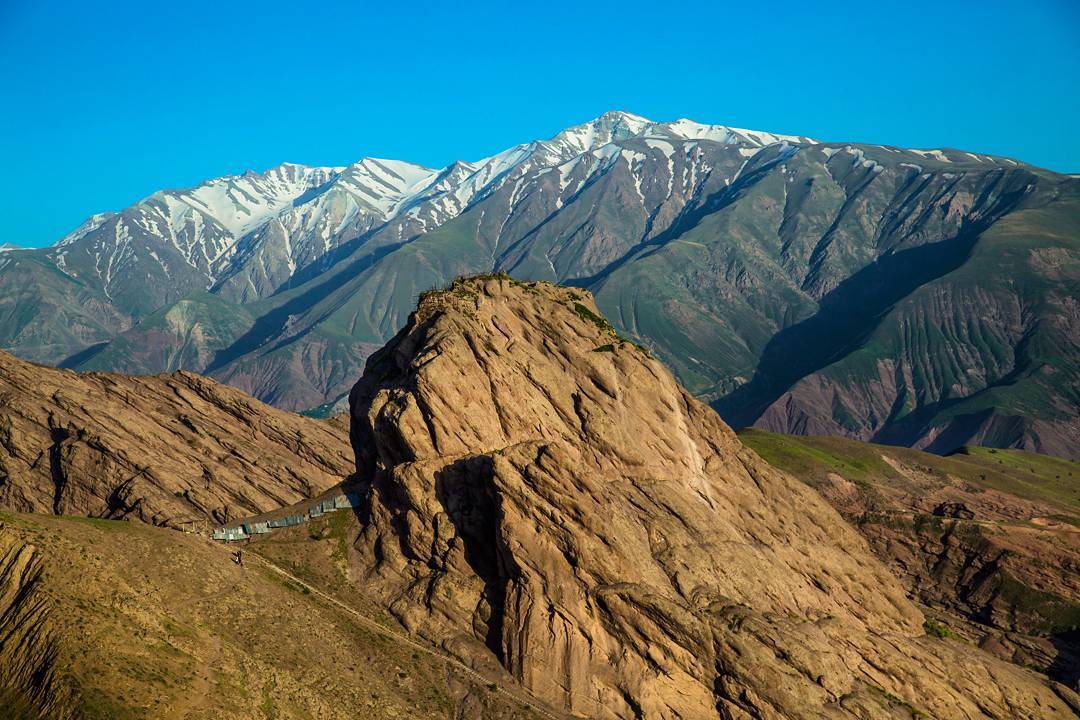
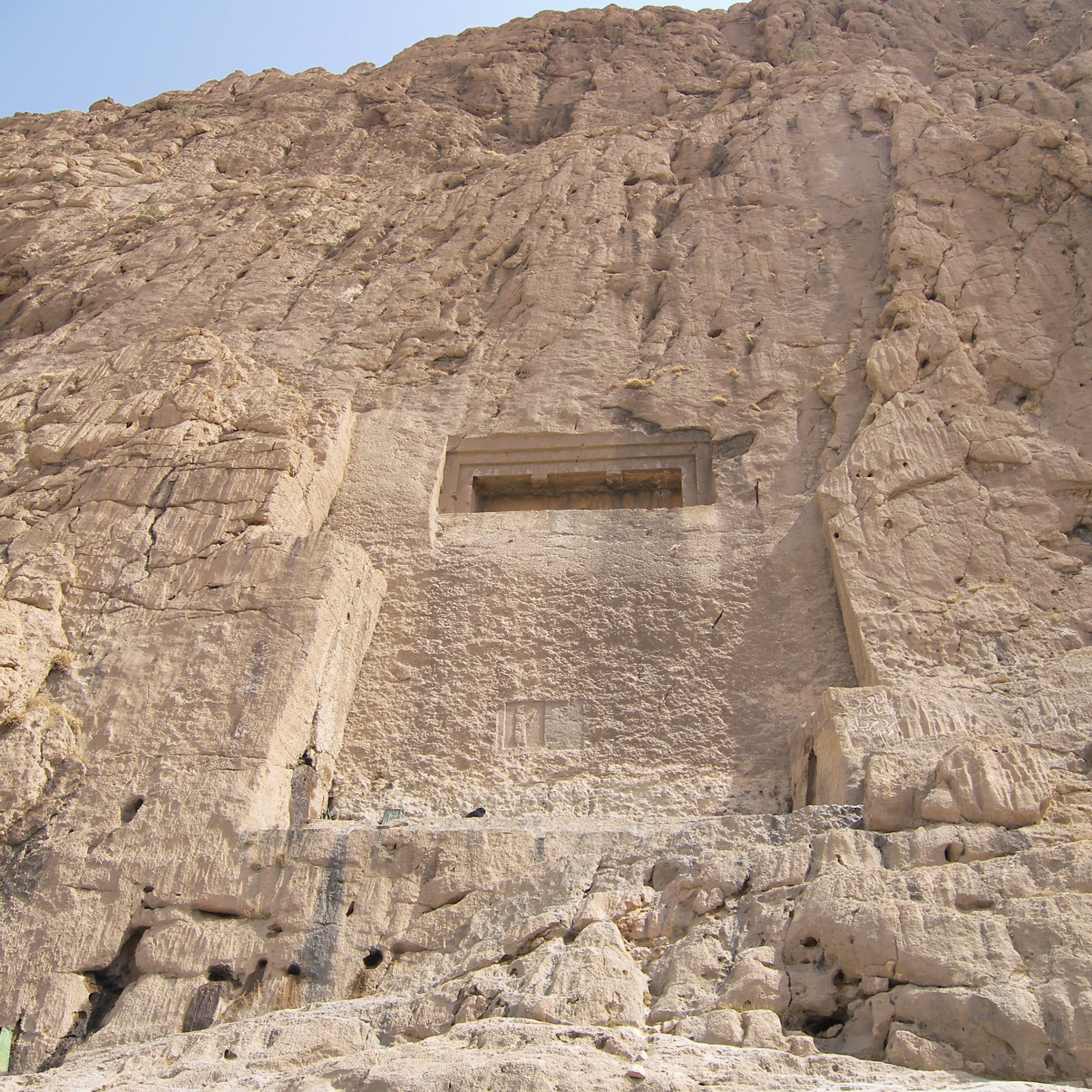
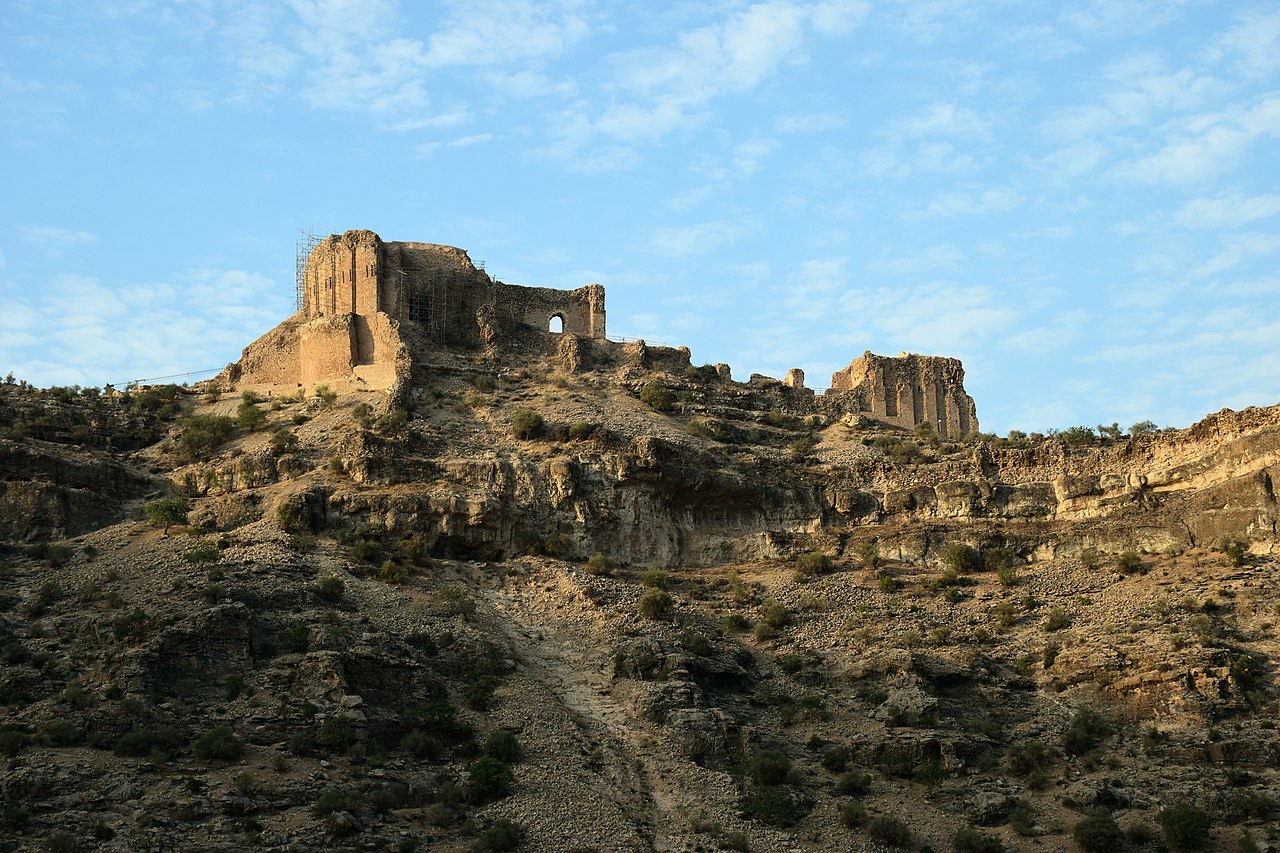
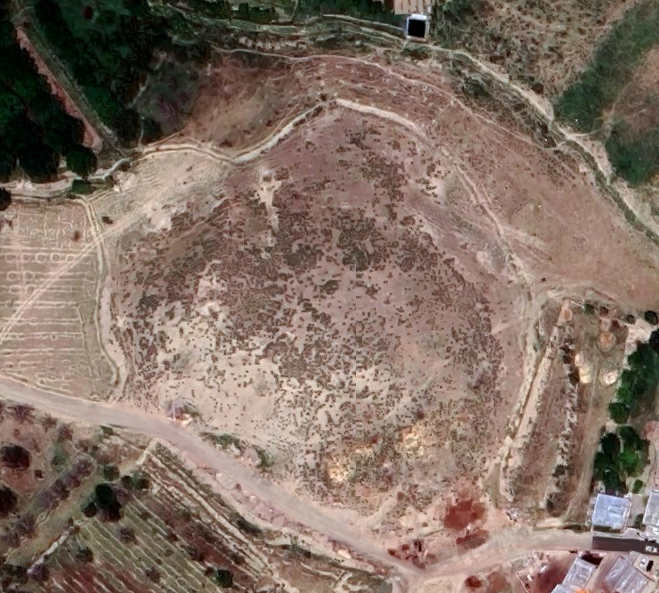
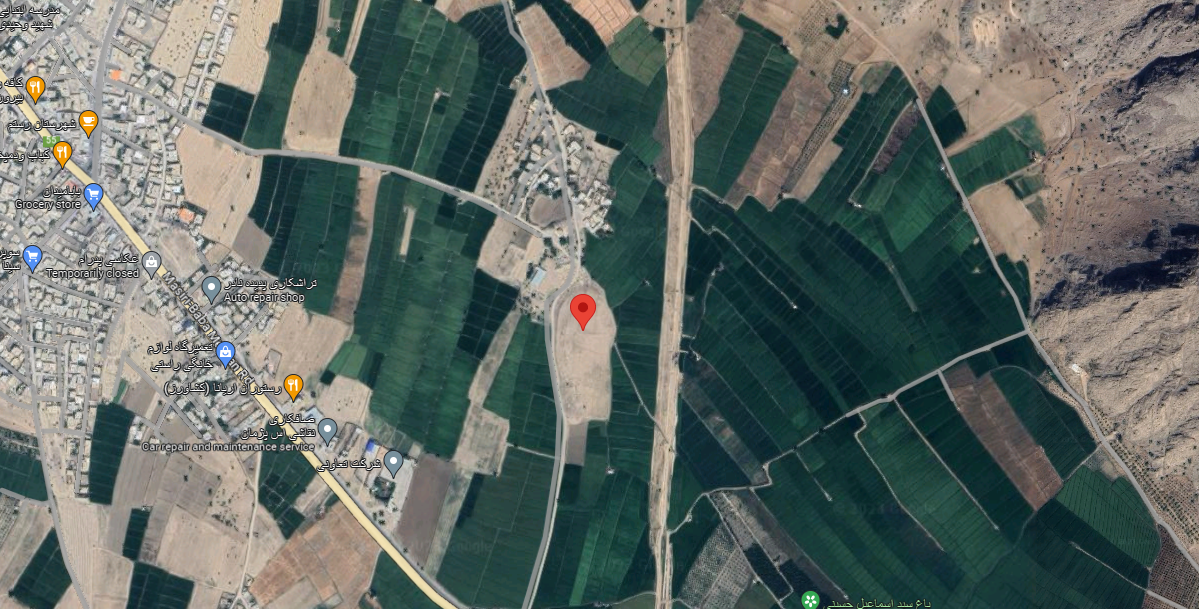
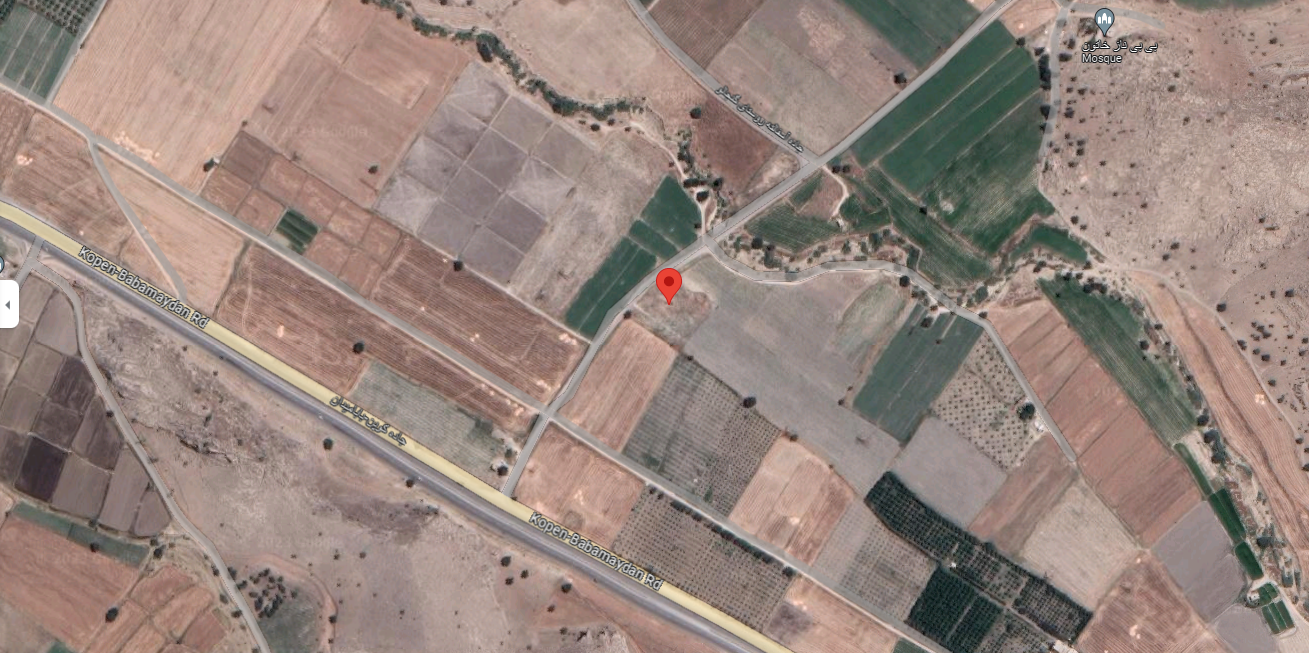
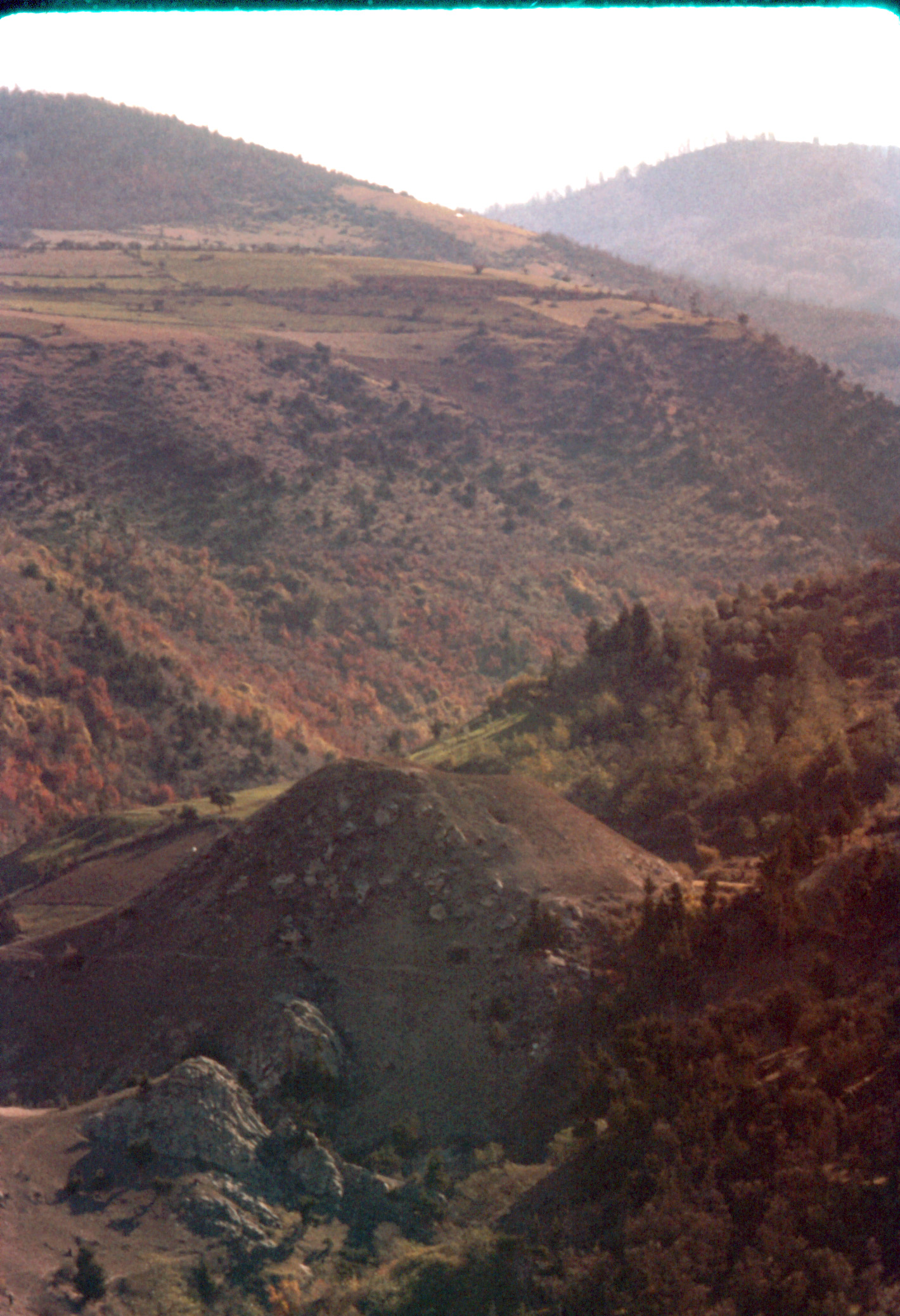
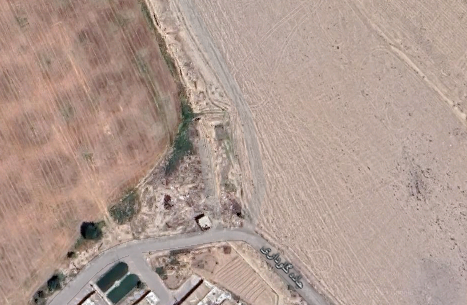
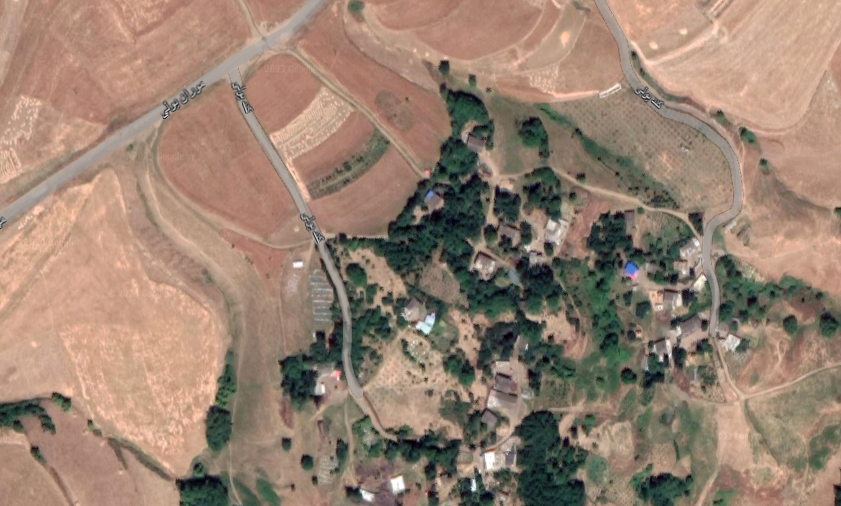
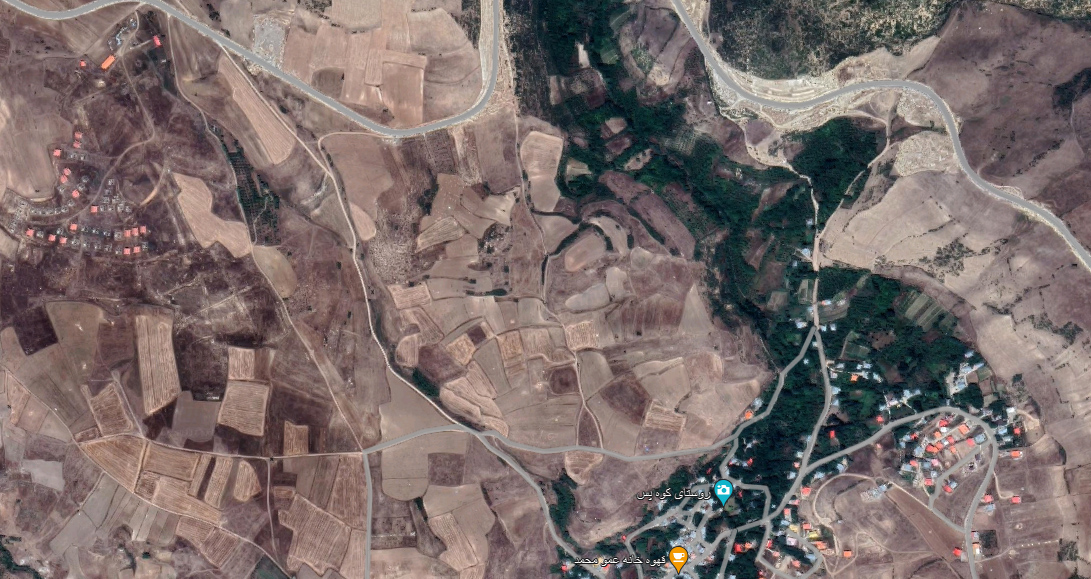
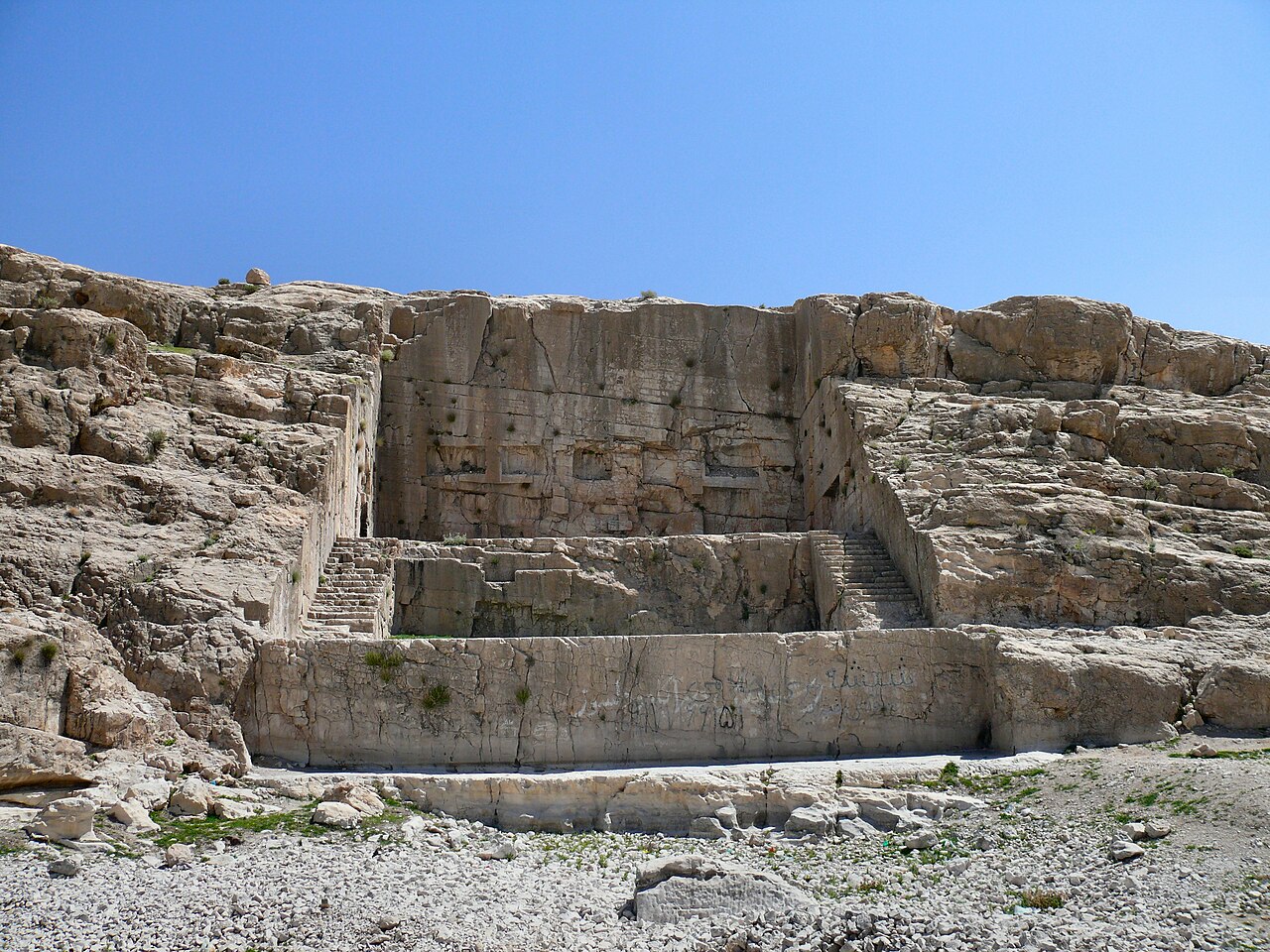
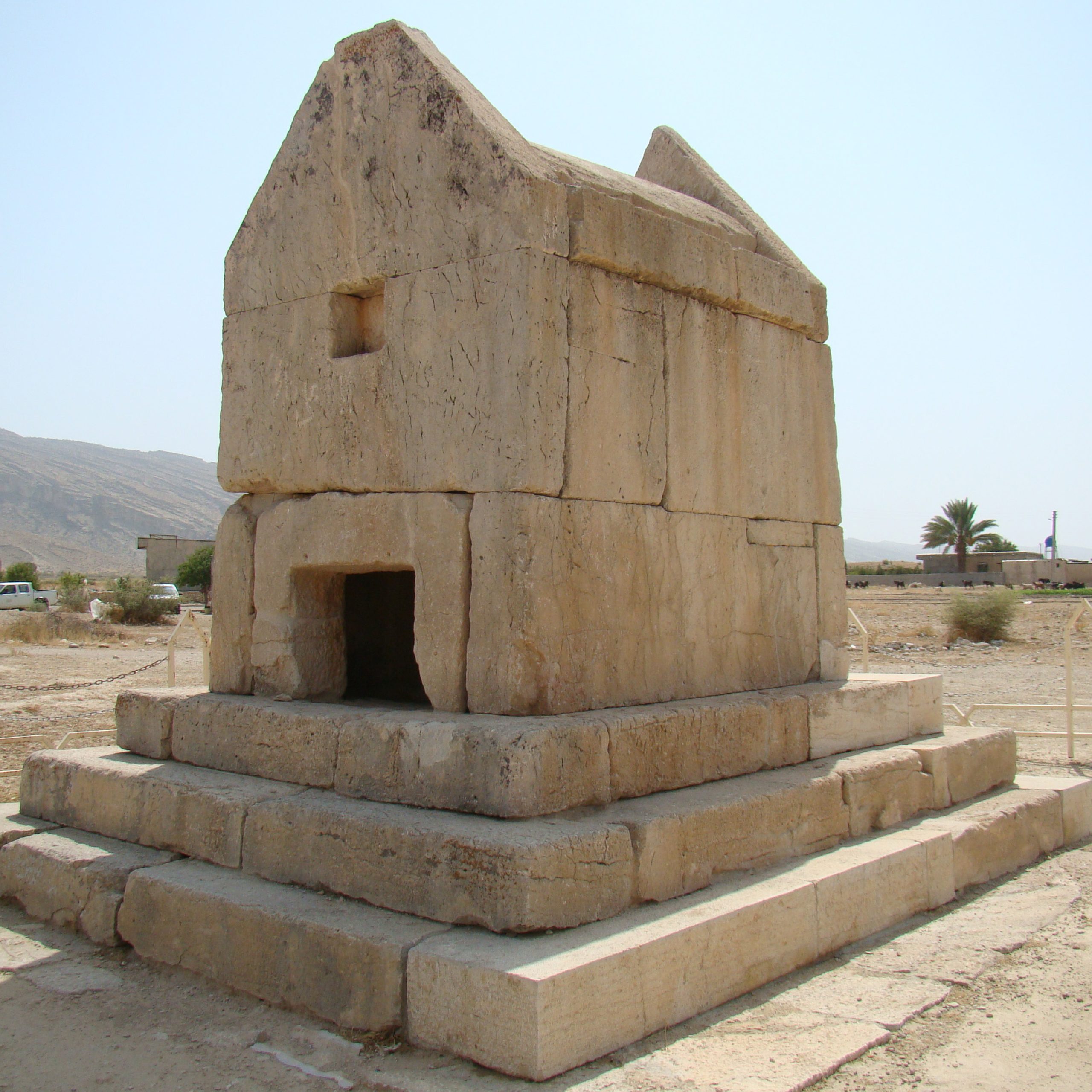
The name (Dāu Dūwar) in the local dialect literally means “Mother and daughter,” which Herzfeld translated as “The Nurse and the Princess”. The monument (fig. 1) is located near Kūpān, overlooking the road that passes through the Mamasani region in western Fars. From Kūpān it can be reached by passing through the village of Hoseinābād, about 3 km away, and then walking approximately half an hour’s to the northwest to reach the foot of the rock.
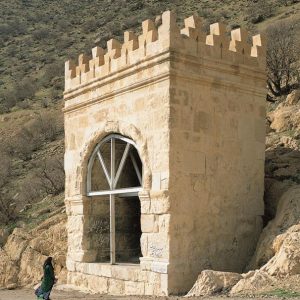
The monument is cut into a cliff side, above an already steep-sided rock 150 m high, overlooking the Tang-e Shir River. The tomb’s façade is about 5.5 m; the height of the columns is approximately 4 m. The tomb includes primary and secondary chambers; they are both empty. The façade is decorated with two engaged columns in Ionic style on each side of the entrance. The columns are approximately 4 m high and are carved to give the impression that they support an entablature over which runs a line of battlements.
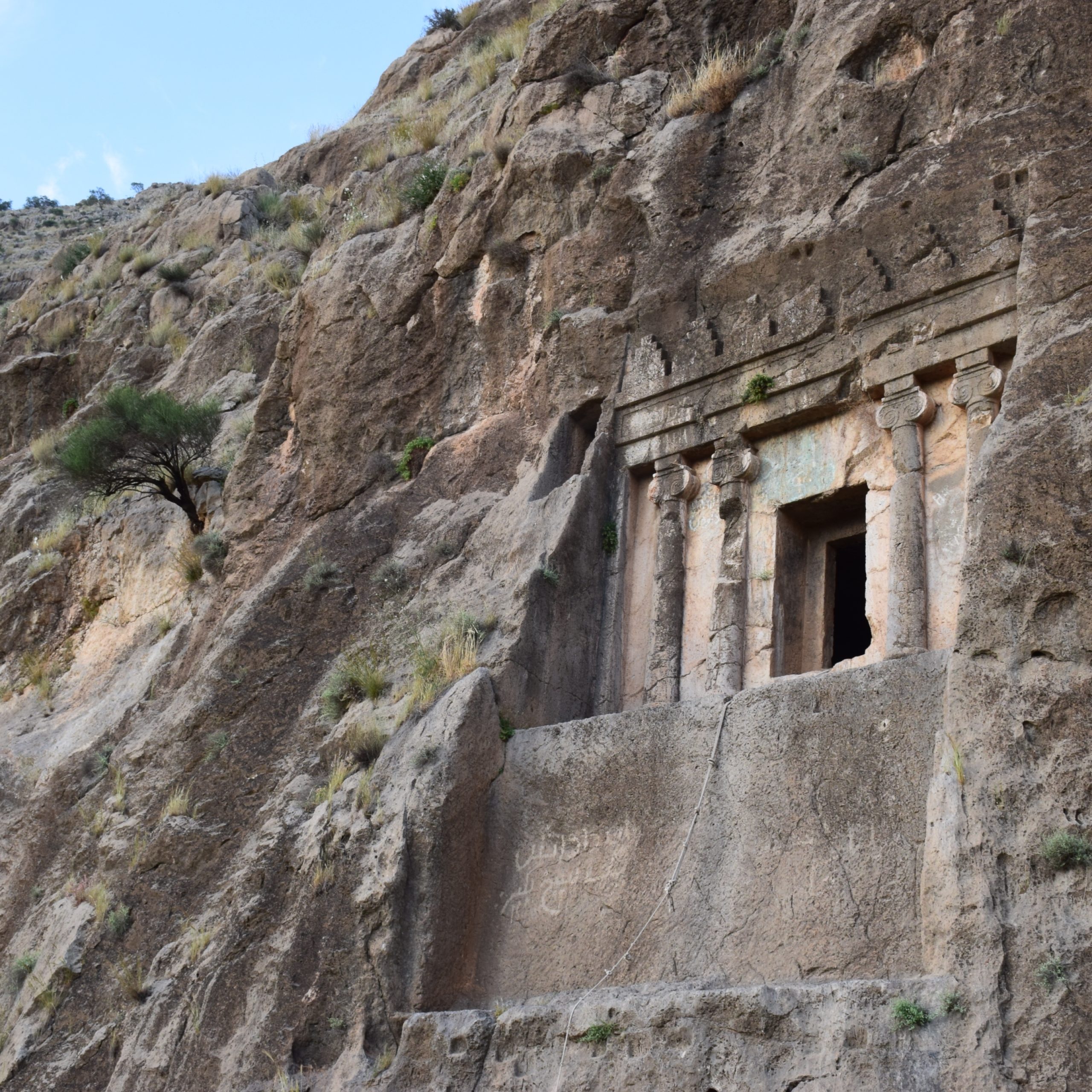
Fig. 1. The Dāu Dokhtar rock-cut tomb (image: Creative Commons, CC BY-SA 4.0).
Archaeological Exploration
The rock-cut tomb of Dāu Dokhtar was first discovered by Ernst Herzfeld in the spring of 1924, who then published it in various publications (see the bibliography). Herzfeld, observing the pseudo-archaic aspect of the decorated façade, believed that the monument was an early Achaemenid rock-cut tomb, constructed between 650 and 550 B.C. with no Greek influence. For him, Dāu Dokhtar represents an intermediate link between the rock-cut tombs found in Media and those of Naqsh-e Rostam and Persepolis. He argues that the Ionic style was widespread throughout Asia Minor and western Iran, extending as far as Fārs. The relationship between Achaemenid and Ionic architecture must therefore be understood within this broader context, rather than, as has traditionally been assumed, as the result of direct Greek architectural influence on Iran. He attributes the tomb to one of the predecessors of Cyrus the Great, Cambyses I or Teispes.
Aurel Stein, describing the position of the monument on “a high and very precipitous mountainside”, casts doubt on Herzfeld’s identification of the rock-cut tomb as being the resting place of an early Achaemenid ruler. However, Herzfeld’s identification was accepted by several scholars such as Roman Ghirshman and Louis Vanden Berghe. The latter argues that at the beginning of the Achaemenid period, this region was part of Elamite Anzan. Therefore, it is quite possible that Teispes was buried in one of the regions he had conquered, either Anzan (which became Anshan) or Pārsa.
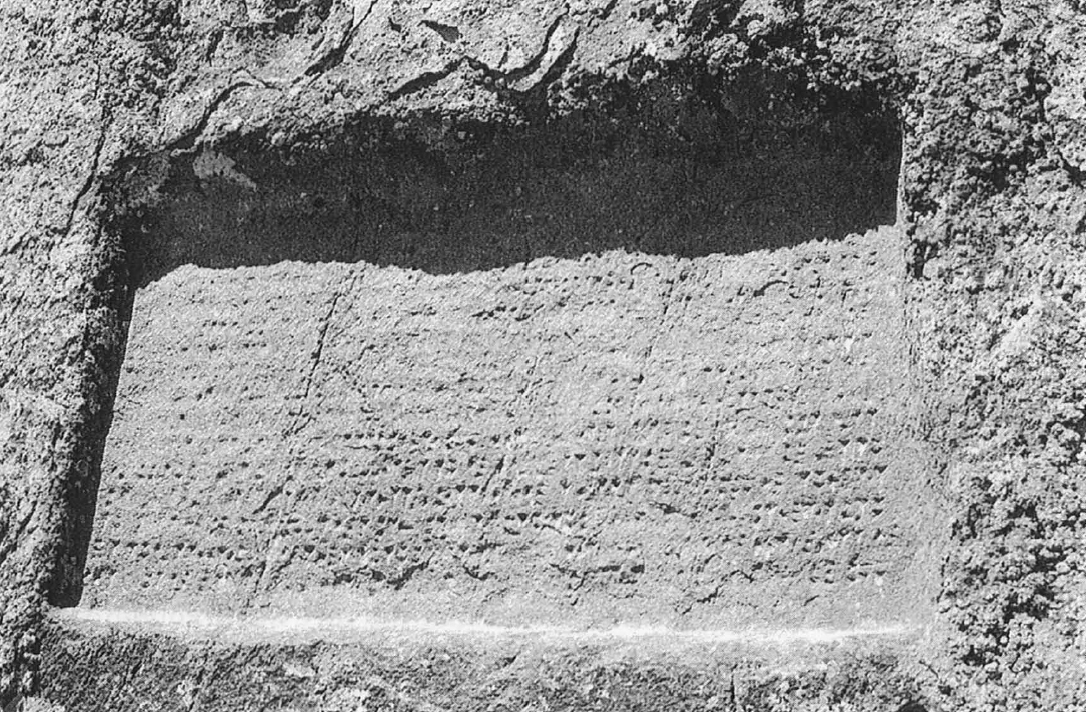
Stronach’s survey of the monument revealed that the “entire external façade of the tomb is covered with toothed chisel marks.” He thinks that its date “lies somewhere between the late fifth and the late third century B.C.,” a date consistent with that of the Gur-e Dokhtar, often identified as the burial place of Cyrus the Younger.
Mohammad-Taghi Mostafavi considers it a late Achaemenid tomb based on the rough workmanship of the façade and its decoration. He points out, however, that the monument can be definitely identified and dated only after a careful investigation of its architecture and whereabouts.
Another identification of the tomb was proposed by Walther Hinz, who, relying on hearsay from an archaeologist whose name he does not remember, writes that the tomb was built by Queen Parushyātish (Parysatis) to be the resting place of his beloved son, Cyrus the Younger.
In contrast, Hubertus Von Gall’s study of Iranian rock-cut tombs tends to show that the closest parallels to the columns at Dāu Doḵtar are those seen at Khorha, north of Mahallāt, dated to the Seleucid/ Parthian period. He argues that the columns at Dāu Dokhtar reflect the influence of Hellenistic façade decoration.
Bibliography
Ghirshman, R., L’Iran. Des origines à l’Islam, Paris, 1951, p. 106.
Herzfeld, E., “Reisebericht,” Zeitschrift der Deutschen Morgenländischen Gesellschaft, vol. 80, 1926, p. 259.
Herzfeld, E., Archaeological History of Iran, London, 1935, p. 32, pl. 5.
Herzfeld, E., Iran in the Ancient East, Oxford, 1941, pp. 206-208, pls. 35-38.
Hinz, W., Darius und dies Perser, vol. 2, 1979, Baden-Baden, p. 38, image 11.
Moṣṭafavi, M. T., The Land of Pārs, translated by R. N. Sharp, Chippenham, England, 1978.
Stein, M. A., Old Routes of Western Iran, London, 1940, pp. 45-47, pl. 14.
Stronach, D., Pasargadae, Oxford, 1978, p. 304, pls. 191-193b.
Vanden Berghe, L., “Le tombeau achéménide de Buzpar,” Vorderasiatische Archäologie. Studien und Aufsätze. Festschrift A. Moortgat, Berlin, 1964, p. 256.
Von Gall, H., “DĀ O DOḴTAR,” Encyclopaedia Iranica. Published December 15, 1993. https://doi.org/10.1163/2330-4804_EIRO_COM_7912