Kūrāngūnکورانگون
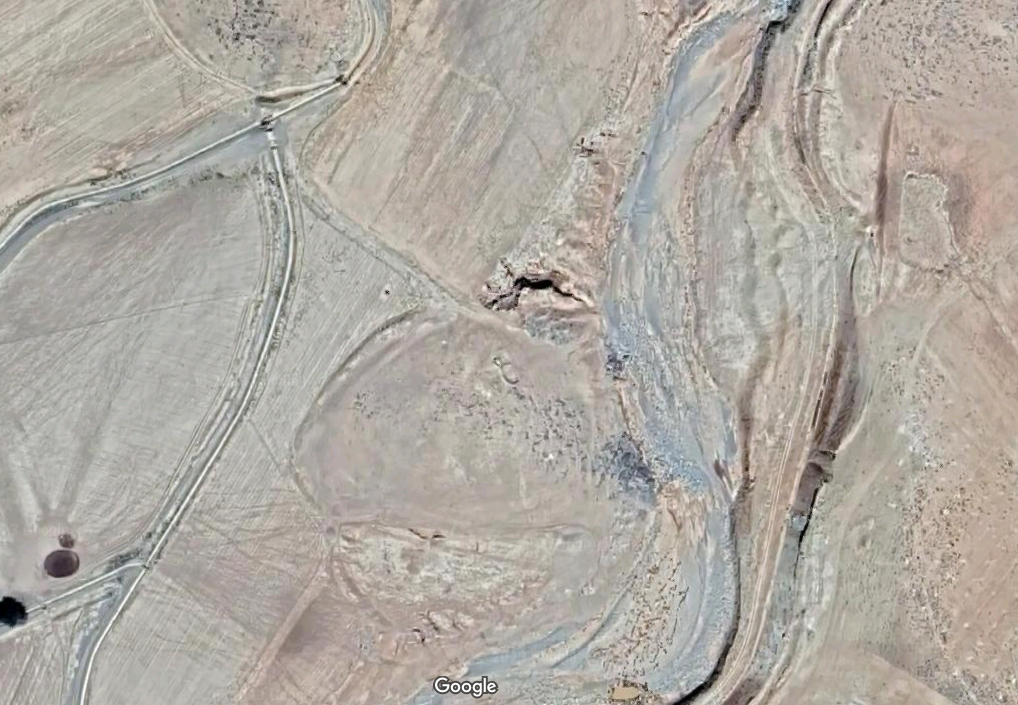
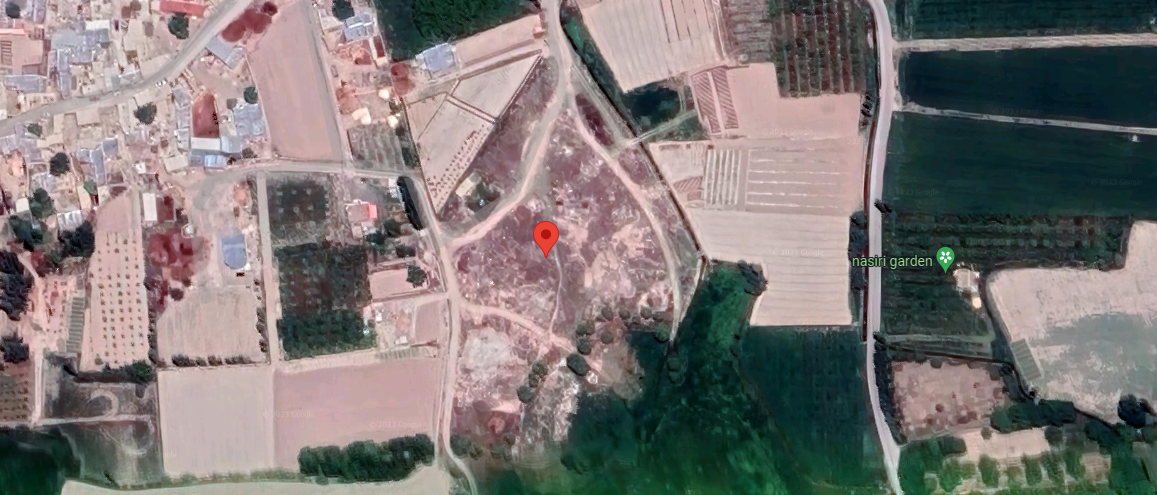
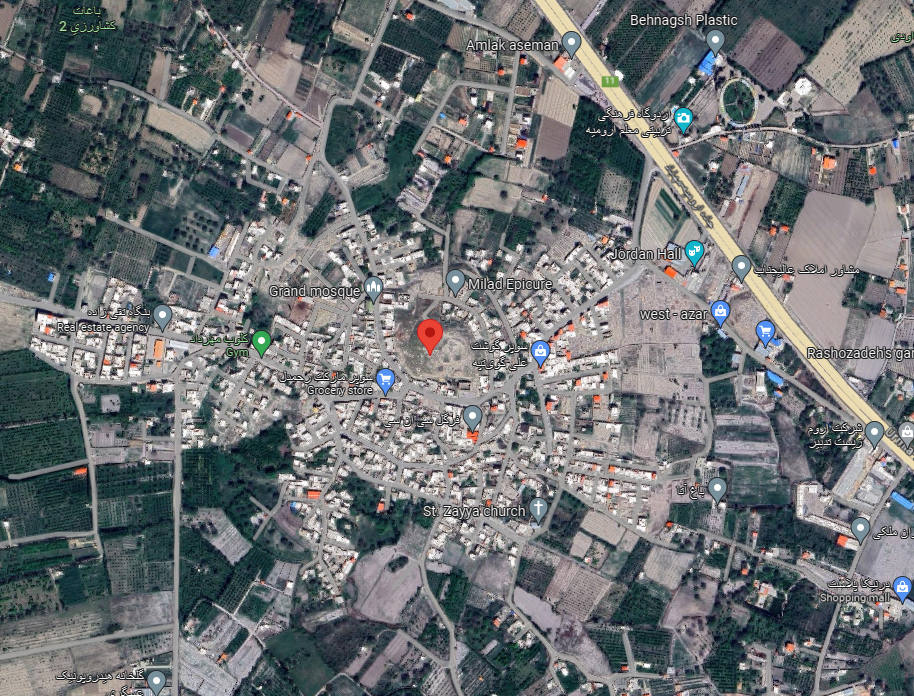
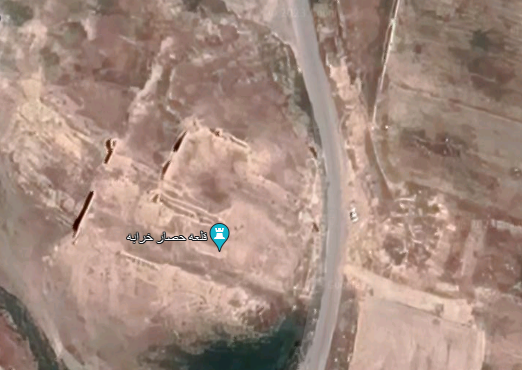
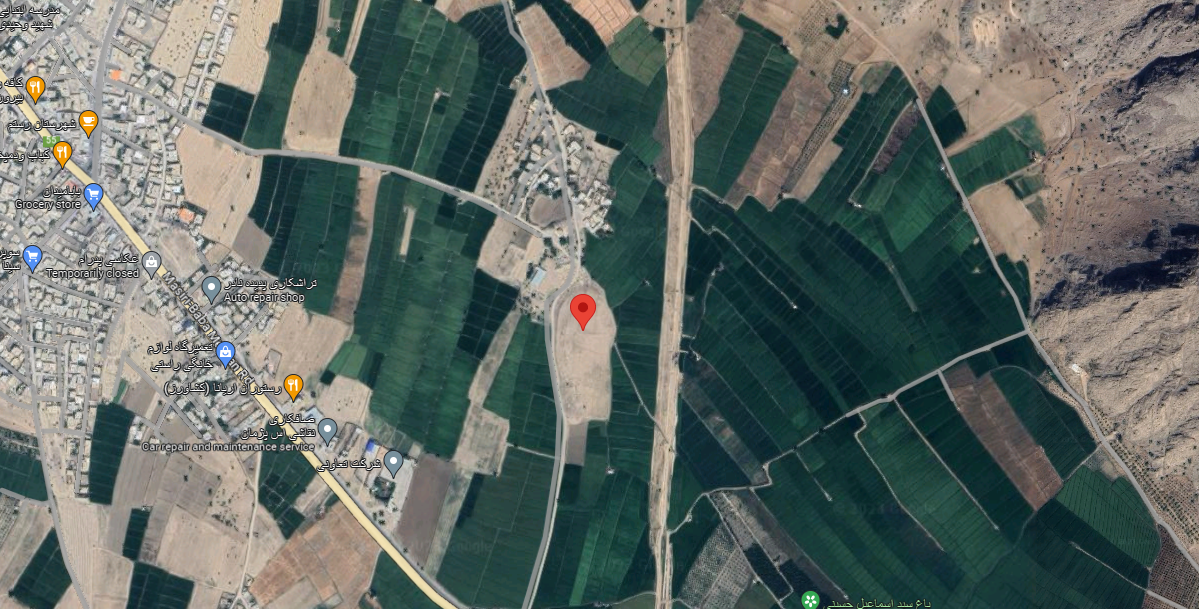
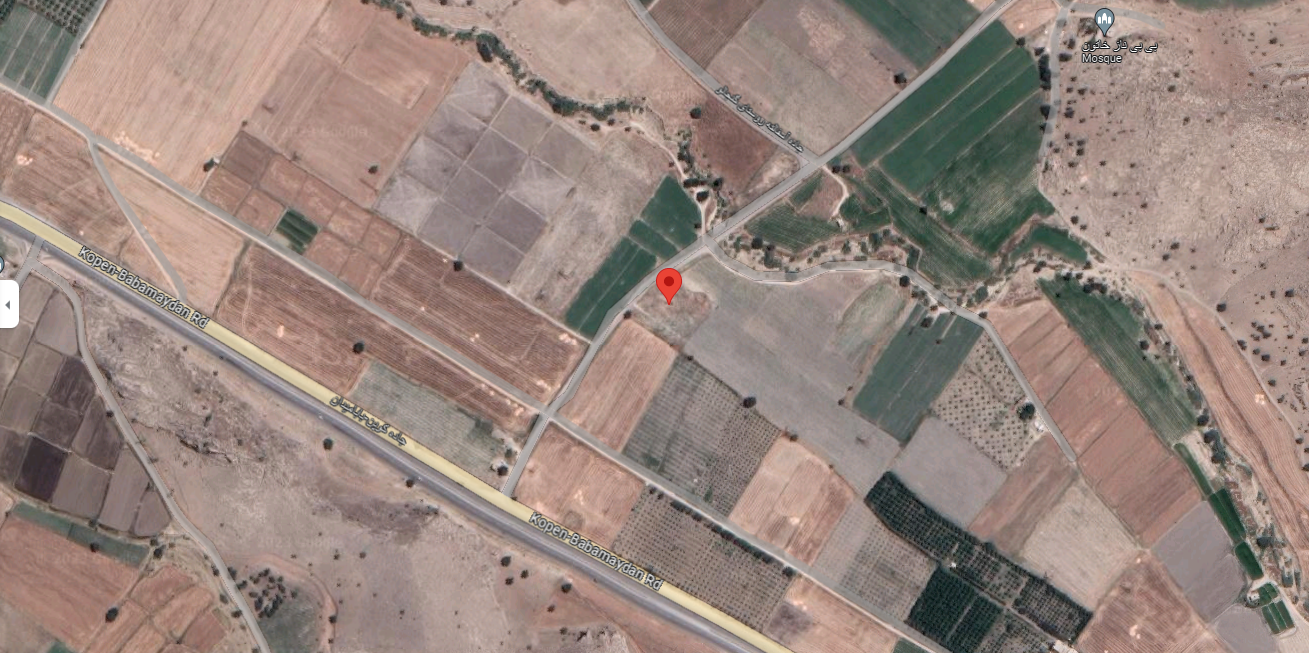
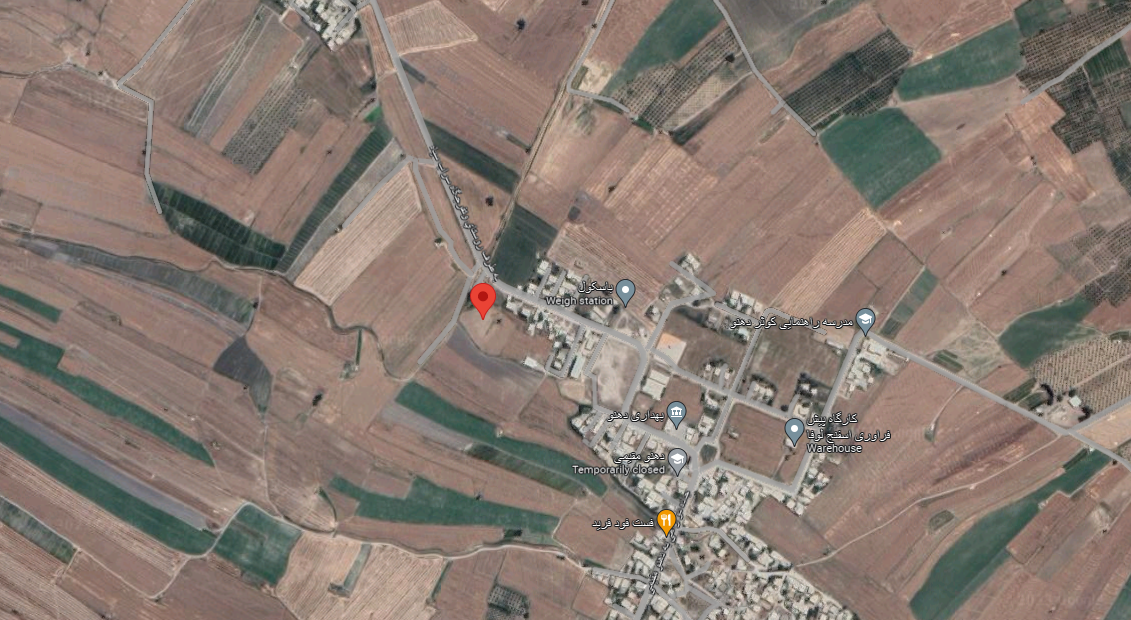
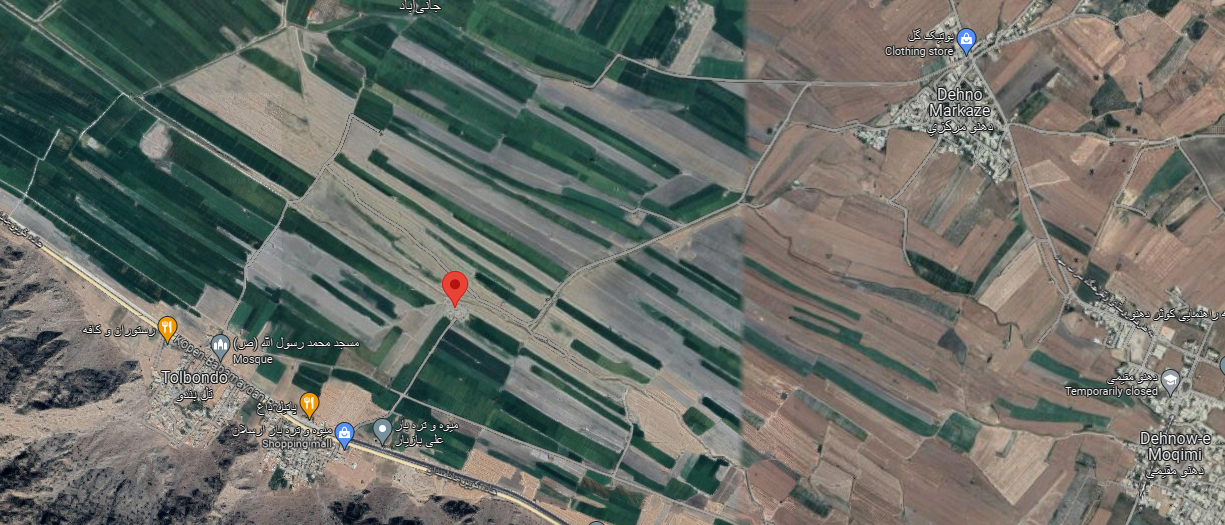
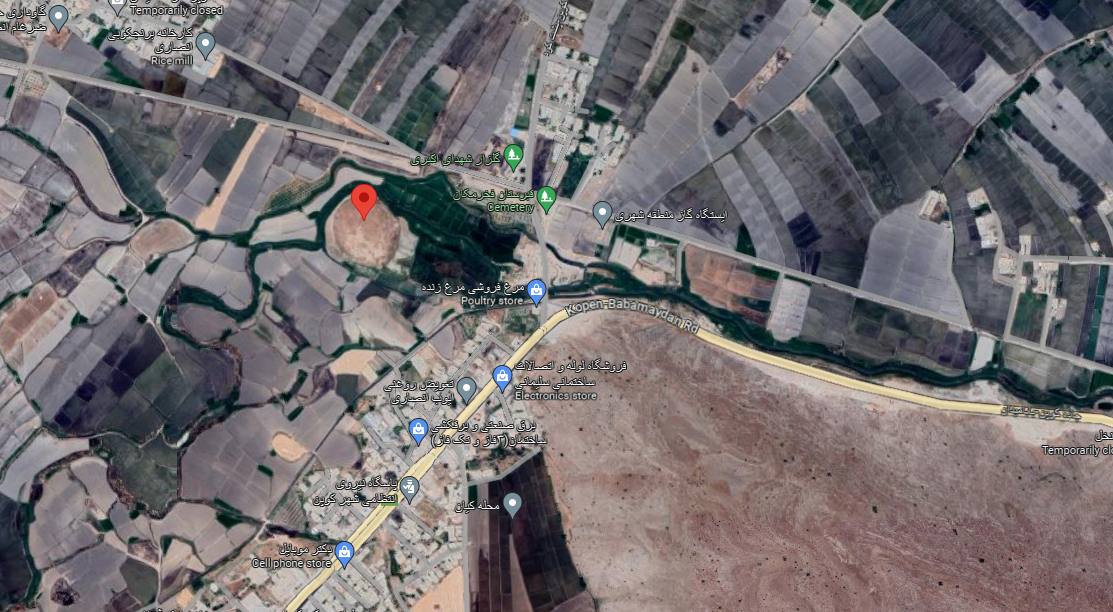
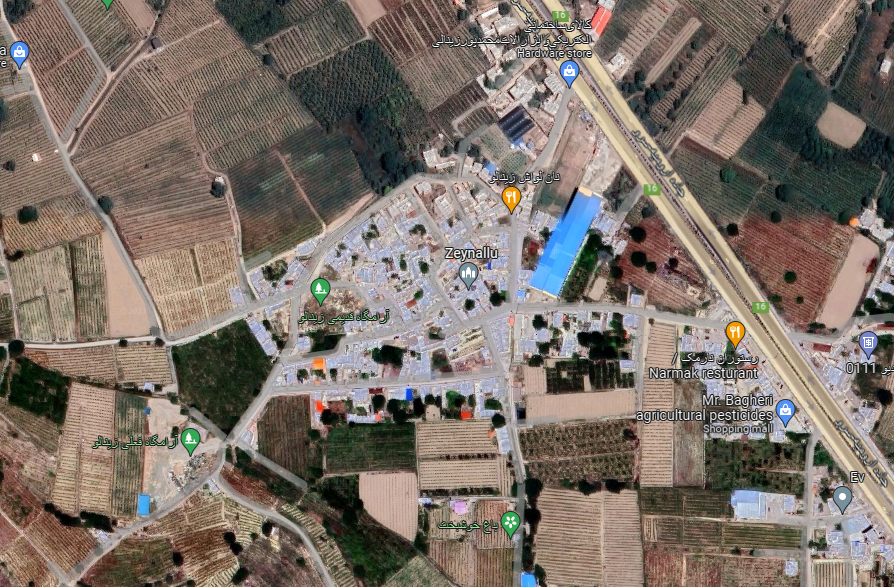
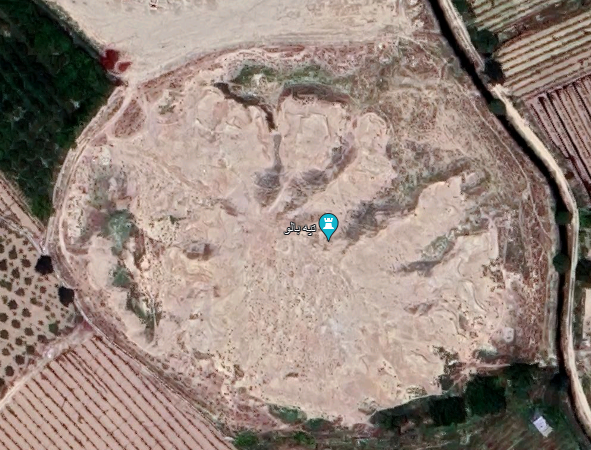
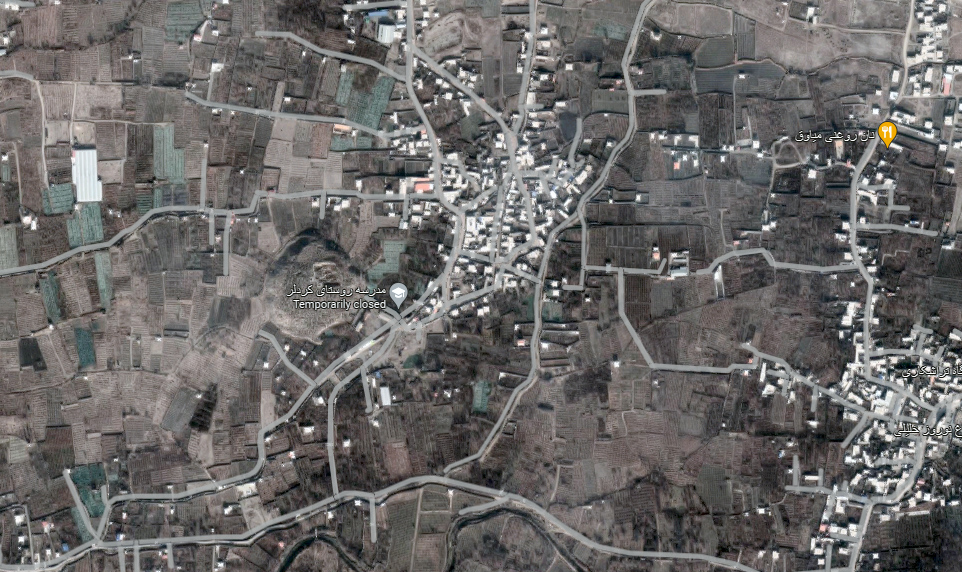
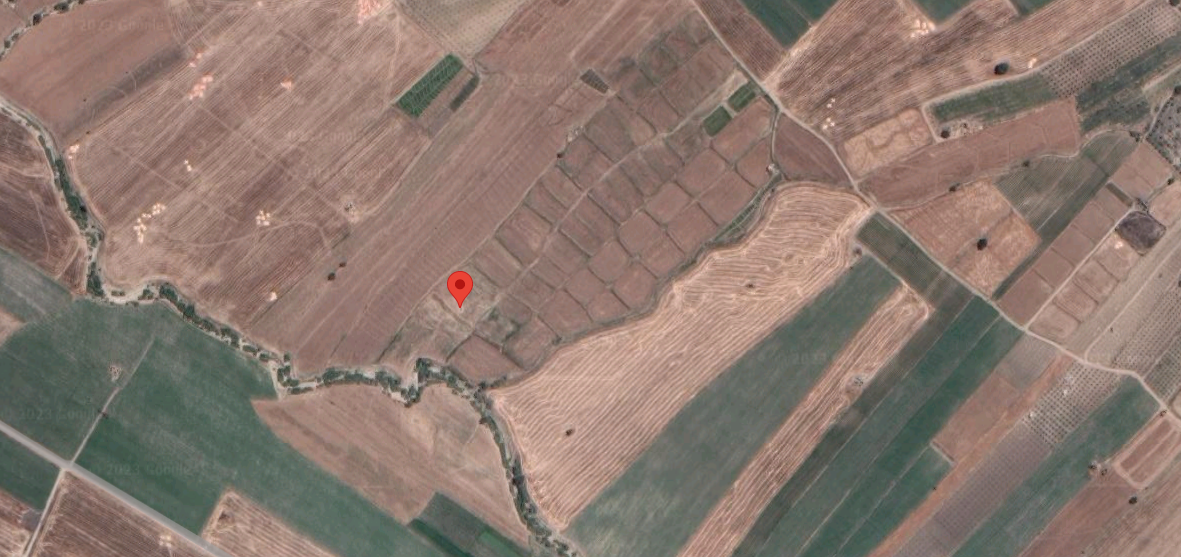
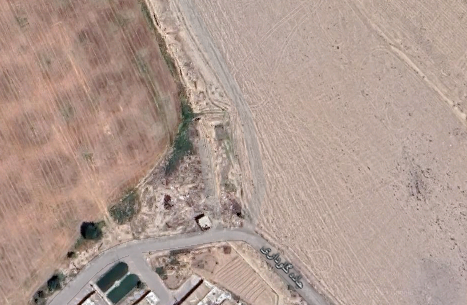
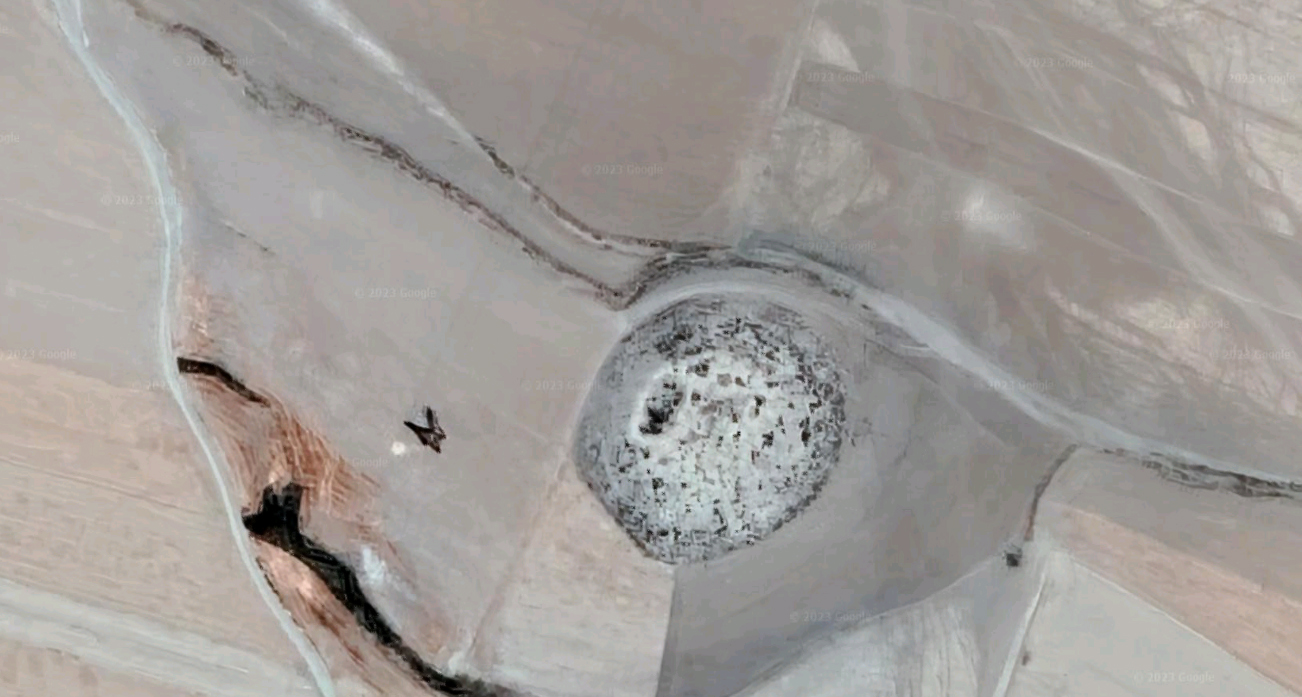
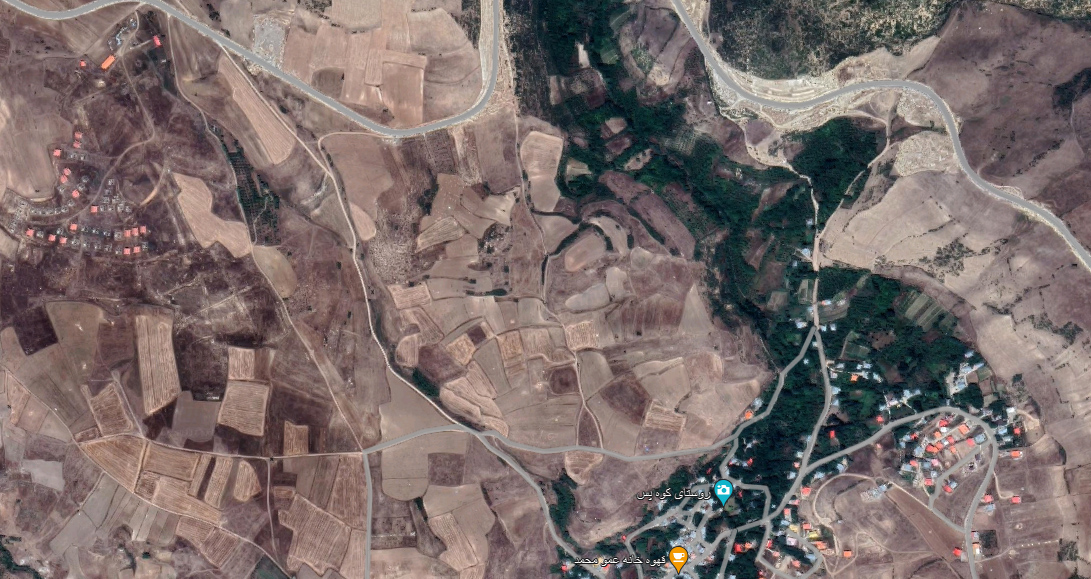
Location: Kūrāngūn is a rock relief in southern Iran, Fars Province.
30°14’40.7″N 51°27’38.0″E
Map
Historical Period
Elamite
History and description
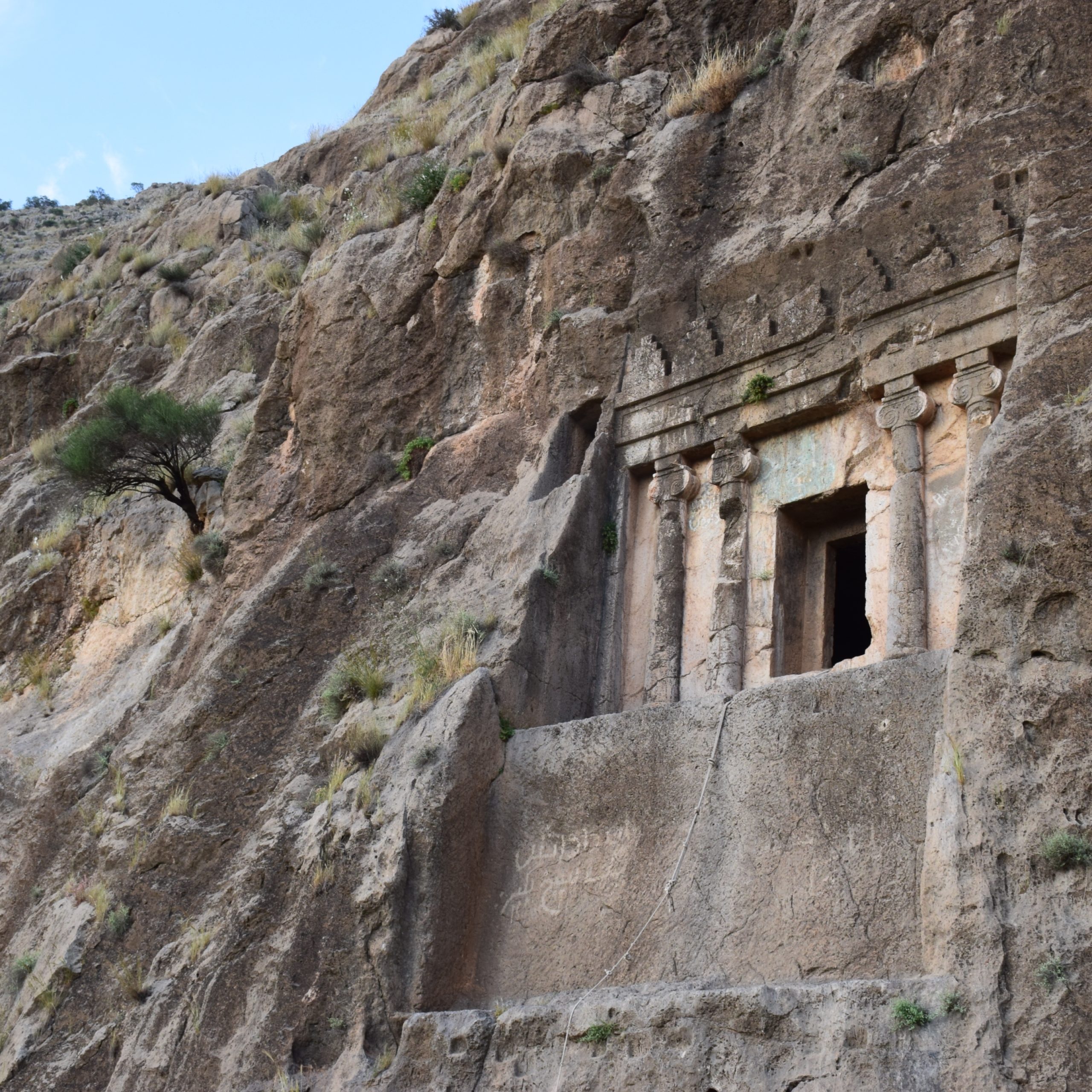
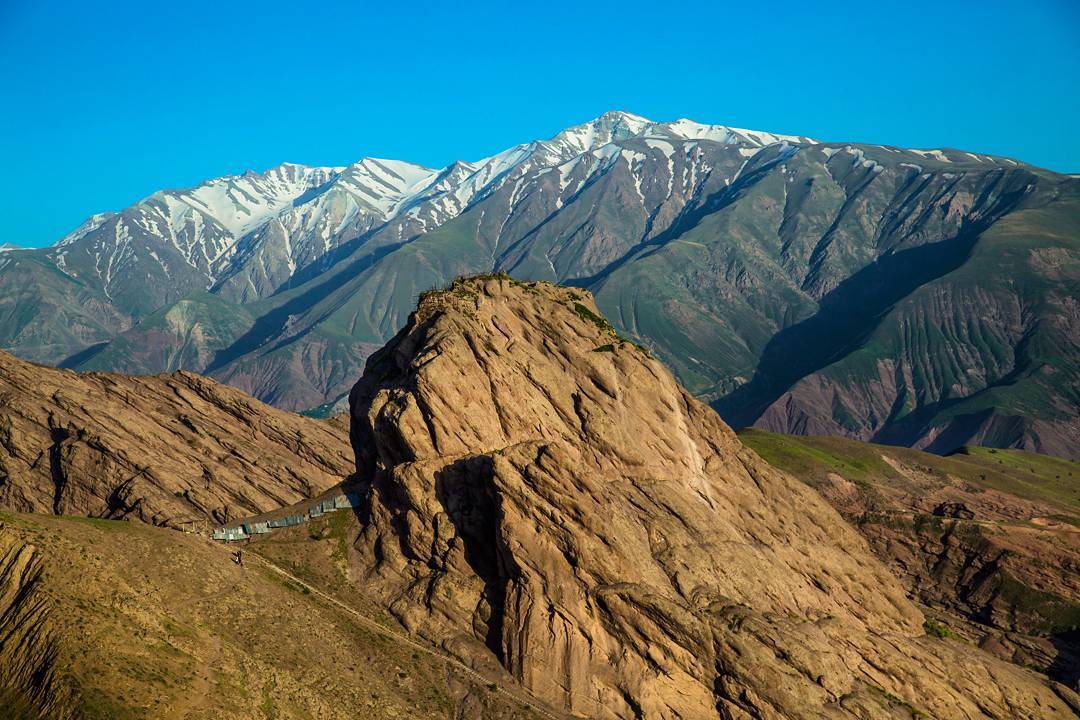
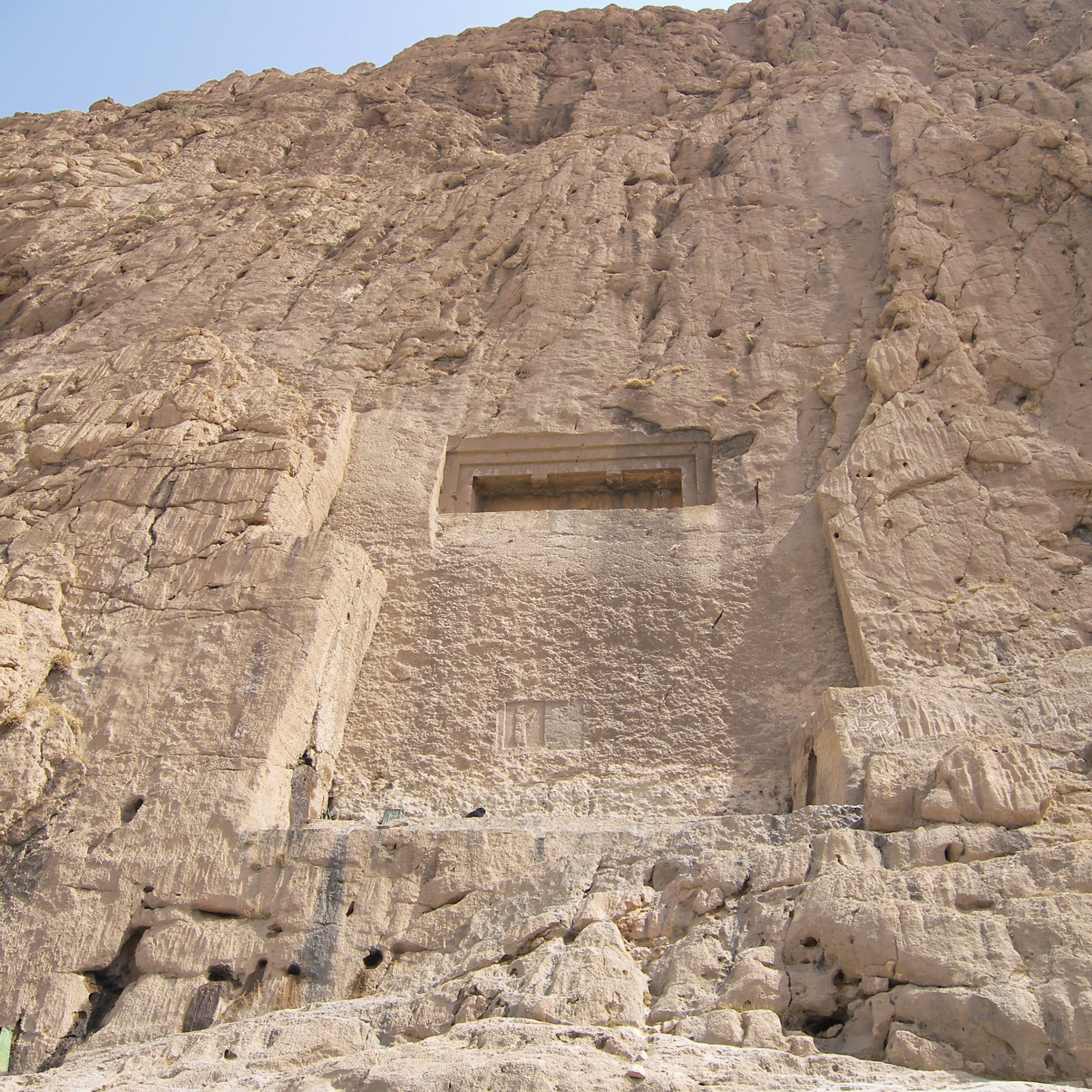
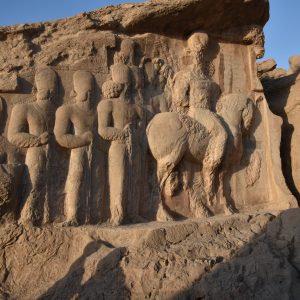
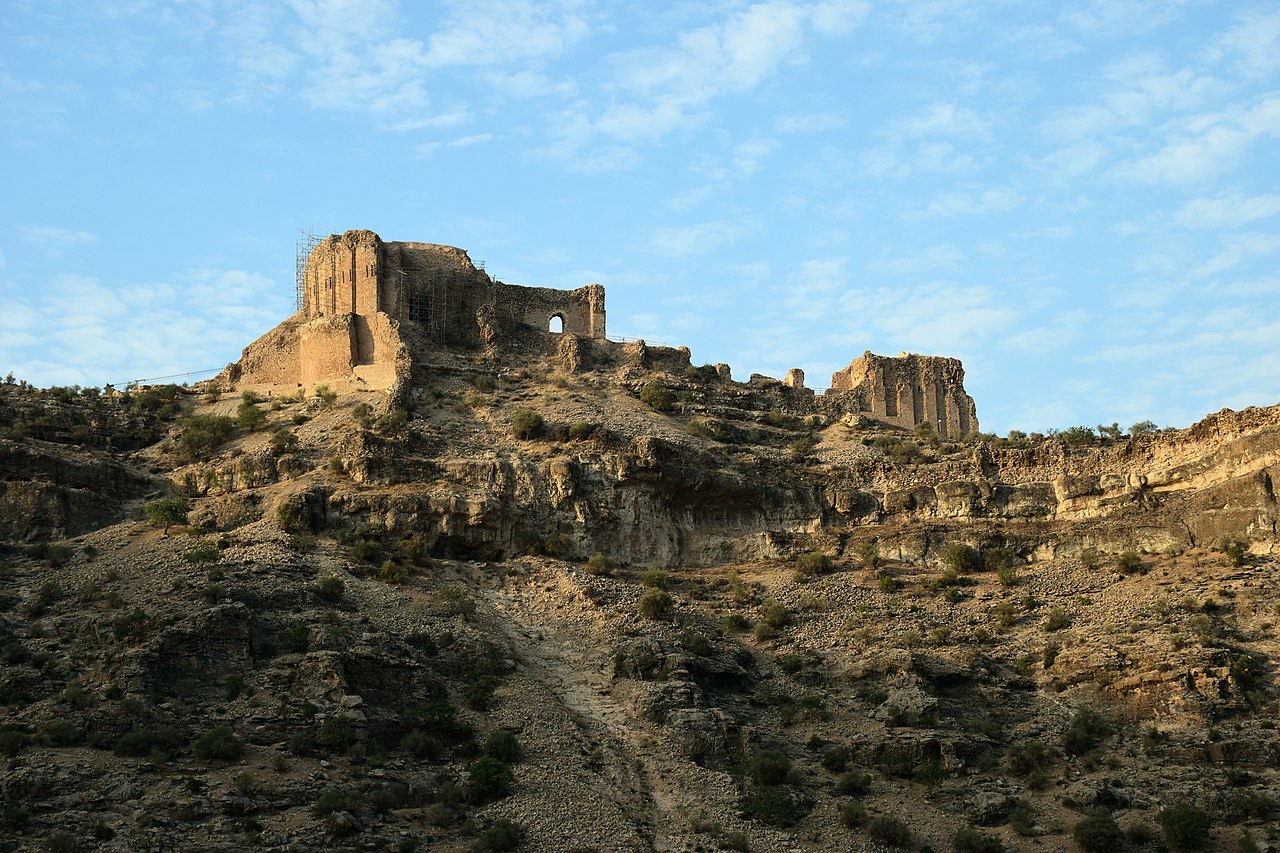
High above the Fahlian River, an impressive Elamite relief was carved into a nearly vertical rock face, around 50 meters above the ground (fig. 1). The monument, known as Kūrāngūn, consists of two rock reliefs: a central panel depicting a seated divine couple and six accompanying individuals; the left-side panel depicts a procession of worshippers towards the central panel (fig. 2).
The main panel, measuring 3.65 meters in length and 1.60 meters in height, is rectangular and very flat in style, depicting a scene of worship before a divine couple (fig. 3). A god, likely the Elamite deity Napirisha, sits on a throne of serpents and wears a horned crown. In his left hand, he holds two snakes, while his raised right hand holds a ring and a rod from which streams of water flow.
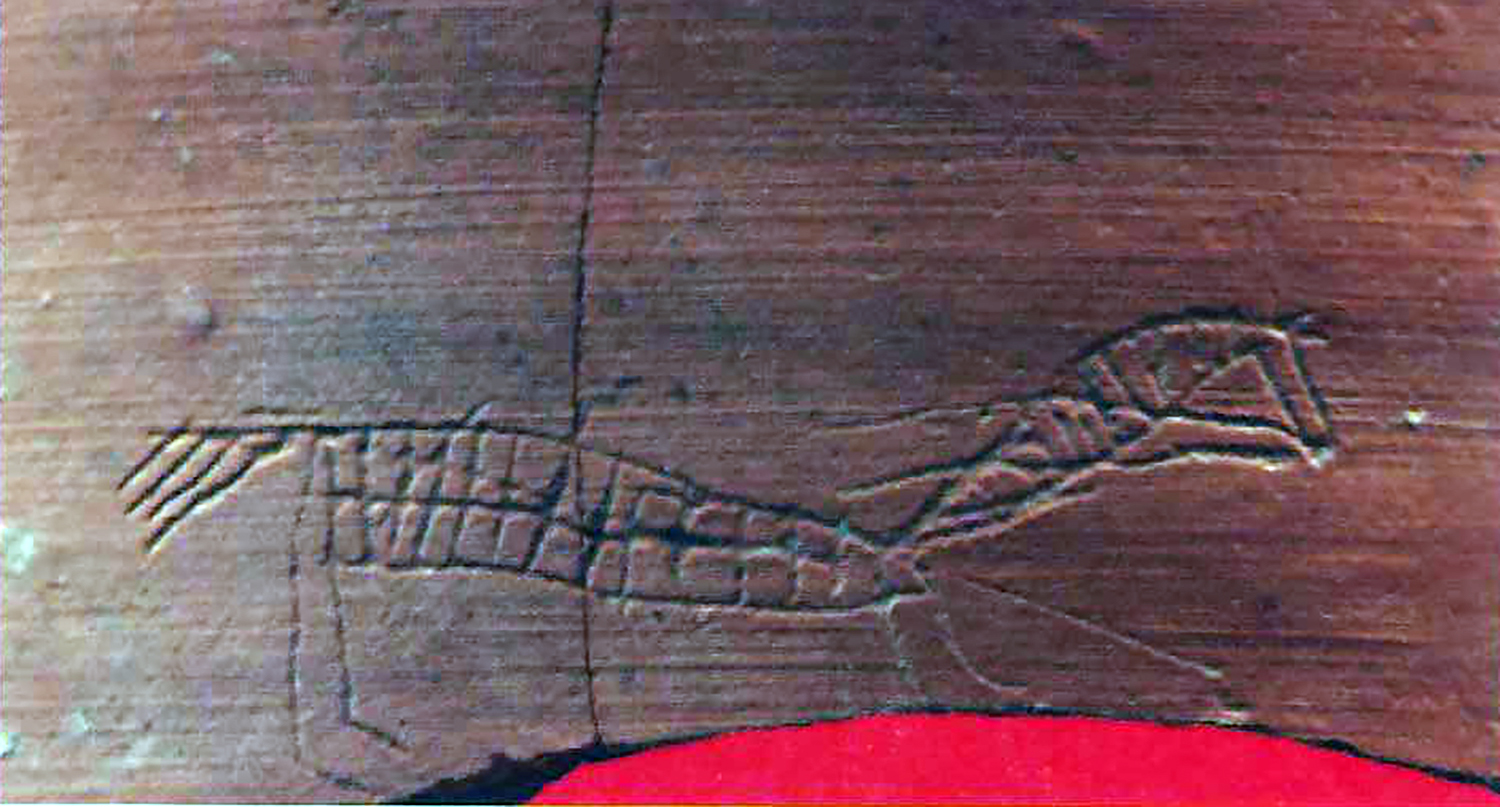
One stream is directed toward three worshippers standing before him; the other flows above the divine couple toward the first of two worshippers positioned behind them. The seated goddess, possibly Kiririsha, also wears a horned crown and is enthroned on an animal-shaped seat, brandishing two snakes. In front of the god is an indistinct object, possibly an offering table. A river, animated by about twenty-five fish, is depicted in the foreground. The majority of scholars have dated the scene to the period of the Sukkalmahs or Grand Regents of Elam, between 2000 and 1700 BC. An exhaustive recent study tends to date the scene to the early Middle Elamite period in the 17th century B.C.
The left side panel, measuring 4.30 meters in length and 1.70 meters in height, is located to the left of the central panel. Immediately in front of the central panel, seven isolated figures are shown walking towards it. Following them is a procession of seventeen worshippers arranged in two superimposed rows, descending toward the main scene. A small staircase leads down from the top of the rock, where a sanctuary once stood, to the main scene. On the outer face of the staircase, thirteen worshippers appear in the same posture as the others. A small panel to the extreme right represents a group of three worshippers moving towards the central panel. Based on the stylistic elements, both side panels must have been carved much later than the central one, in the Neo-Elamite period, between the 8th and 7th centuries B.C.
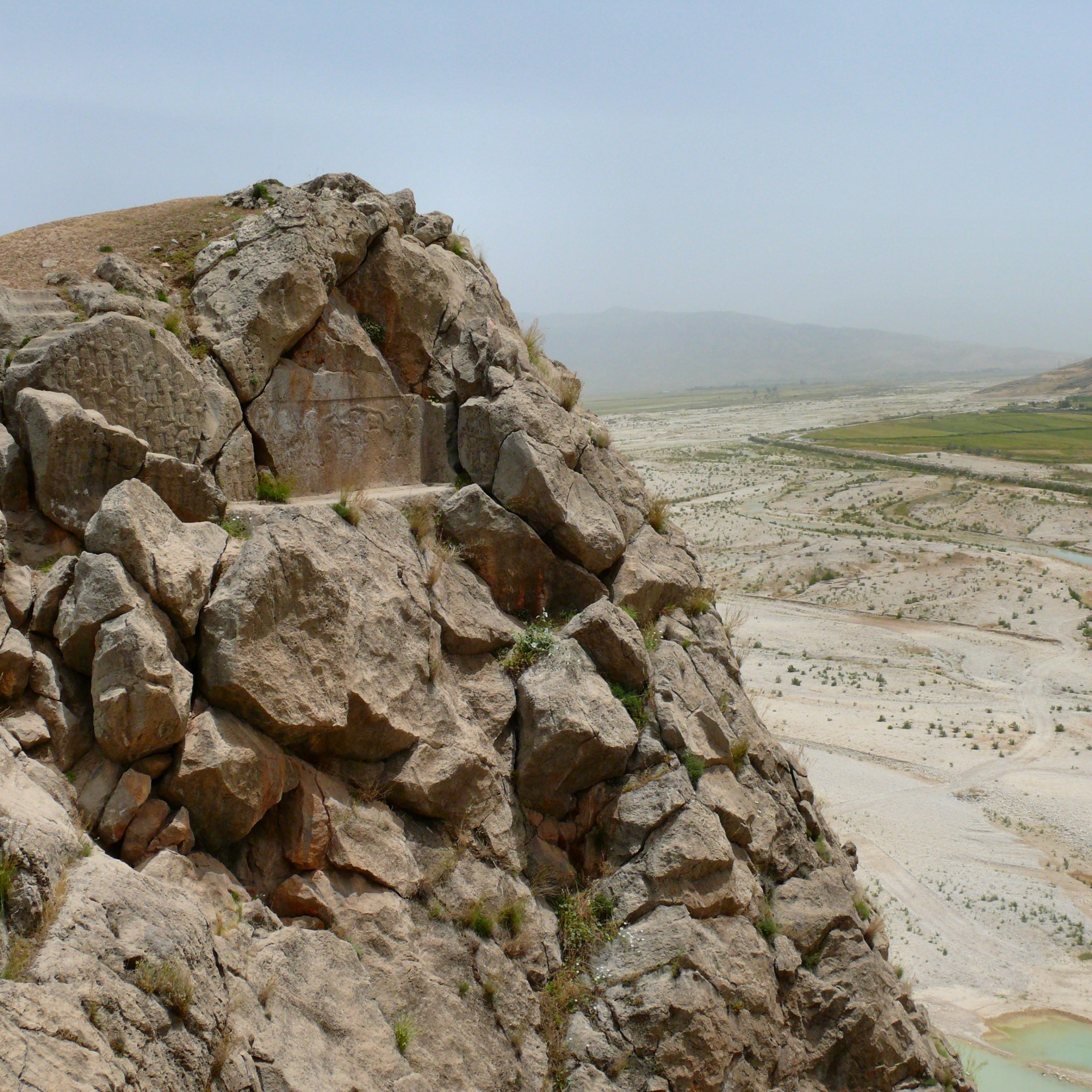
Fig. 1. General view of the Kūrāngūn rock relief (image: Creative Commons, CC BY-SA 2.0)
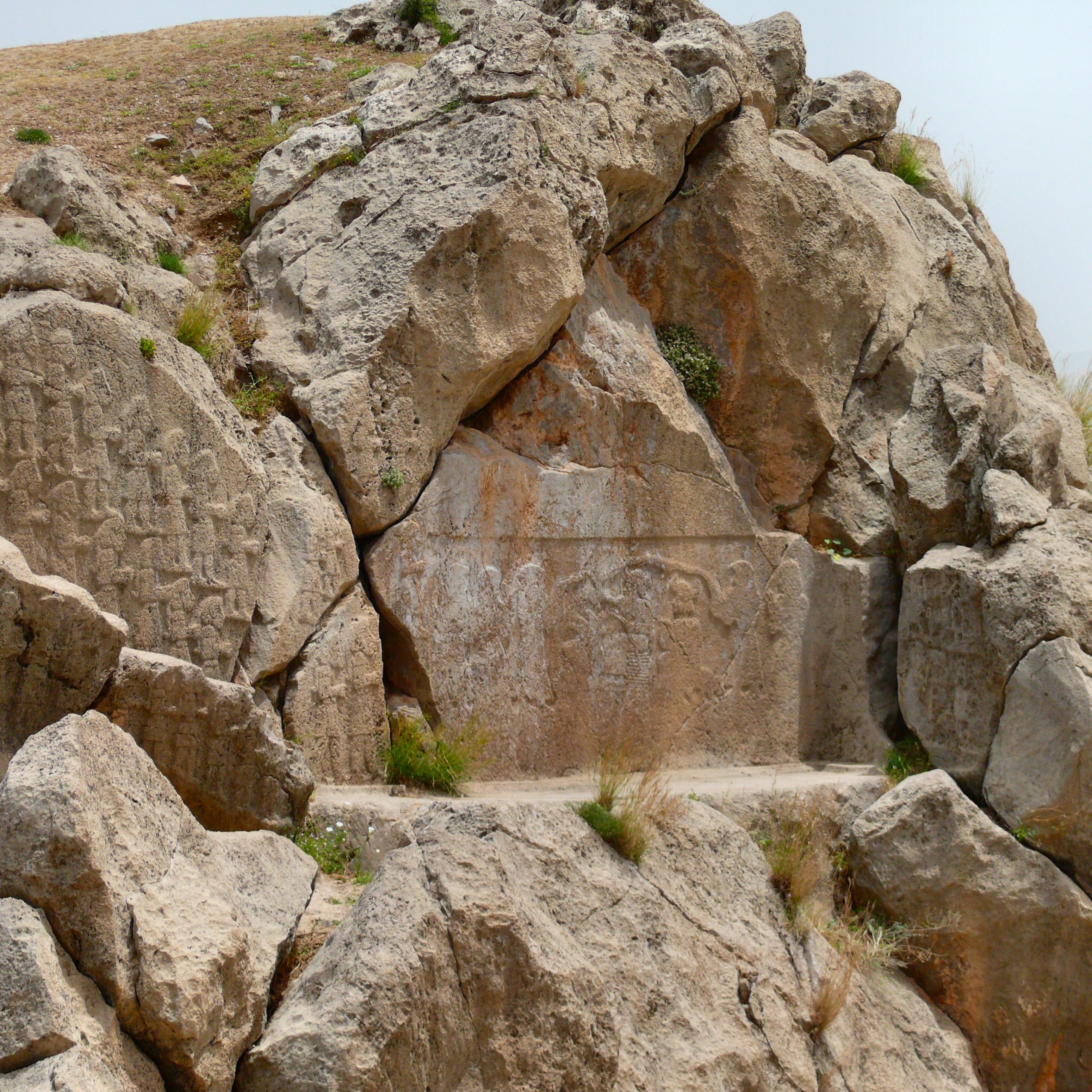
Fig. 2. The Kūrāngūn bas-reliefs (image: Creative Commons, CC BY-SA 2.0)
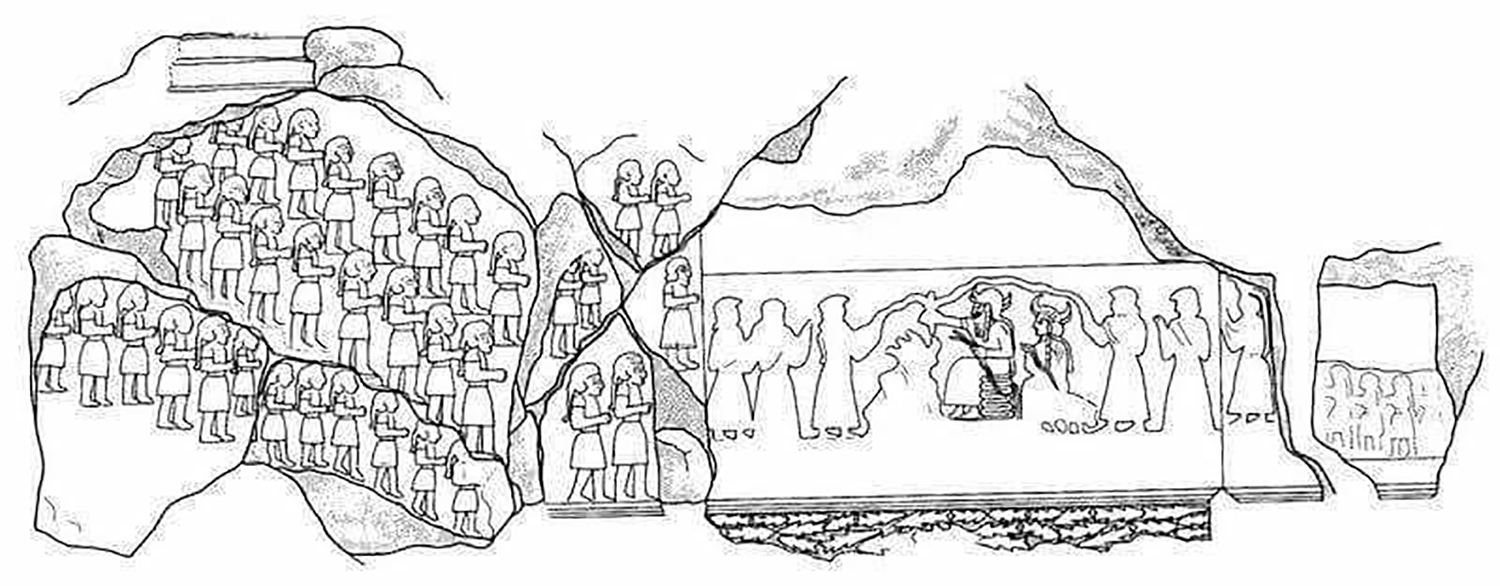
Fig. 3. Drawing of the Kūrāngūn bas-reliefs (image: Vanden Berghe, Reliefs rupestres de l’Iran ancien, p. 28, fig. 2).
Archaeological Exploratoin
Contrary to what is frequently stated in the literature concerning the study of the Kūrāngūn monument, the renowned Iranian scholar and traveler Forṣat-e Shīrāzī did not specifically refer to Kūrāngūn, nor did he visit the monument. The source of this misconception appears to be an erroneous attribution by Mohammad Taghi Mostafavi in his Eqlim-e Pārs (The Land of Pārs), where he writes: “The first mention of this carving is in the book Āsār-e Ajam. Since, at that time, little information was known about the remains of Elam, and of prehistoric ages in Iran, so the late Forsato’d-doleh only referred to its existence, but did not write anything about the subject matter and the date” (Mostafavi, The Land of Pārs, p. 89).
However, Kūrāngūn is nowhere mentioned in Āsār-e Ajam. Forsat merely notes that “there are rock reliefs in the mountains near Shūlestān, most of which have been severely damaged or entirely erased.” Shūlestān is the name given to a large region in western Fārs, encompassing Mamassani, Kāmfirūz, and Beyzā.
The Kūrāngūn rock reliefs were first recorded by Ernst Herzfeld in 1924, who considers them to be the oldest in Iran, as he dated them to the late third millennium B.C. Sir Aurel Stein visited Kūrāngūn in the autumn of 1935. In describing the precipitous path leading to the rock relief, for the interpretation and date of the monument, Stein relied on Herzfeld’s study for the interpretation and dating of the monument.
On the occasion of his second visit to Kūrangūn in December 1979, Louis Vanden Berghe was able to carry out a thorough examination of the relief and take new photographs and drawings in collaboration with his skilled draftsman and photographer, Erik Smekens. The purpose of the expedition was to supplement and correct Herzfeld’s drawing and to provide a detailed description of the monument. In examining the bas-reliefs, he realized that the figures had lost their modeling and were barely distinguishable from the background. He writes that the figures were most probably coated with a layer of clay or bitumen, and that certain details of the faces and clothing had been incised with a sharp tool. He believes that this technique could not have been applied directly to the rock surface, but only to a layer of clay or plaster. Vanden Berghe’s observations are significant in that they reveal the technical complexity of producing such rock reliefs. Future studies using modern imaging technology may reveal further details, including possible traces of paint.
The bas-reliefs have since been the object of studies by a number of scholars, of which the most detailed are by Ursula Seidl and Ann-Birte Binder (see bibliography).
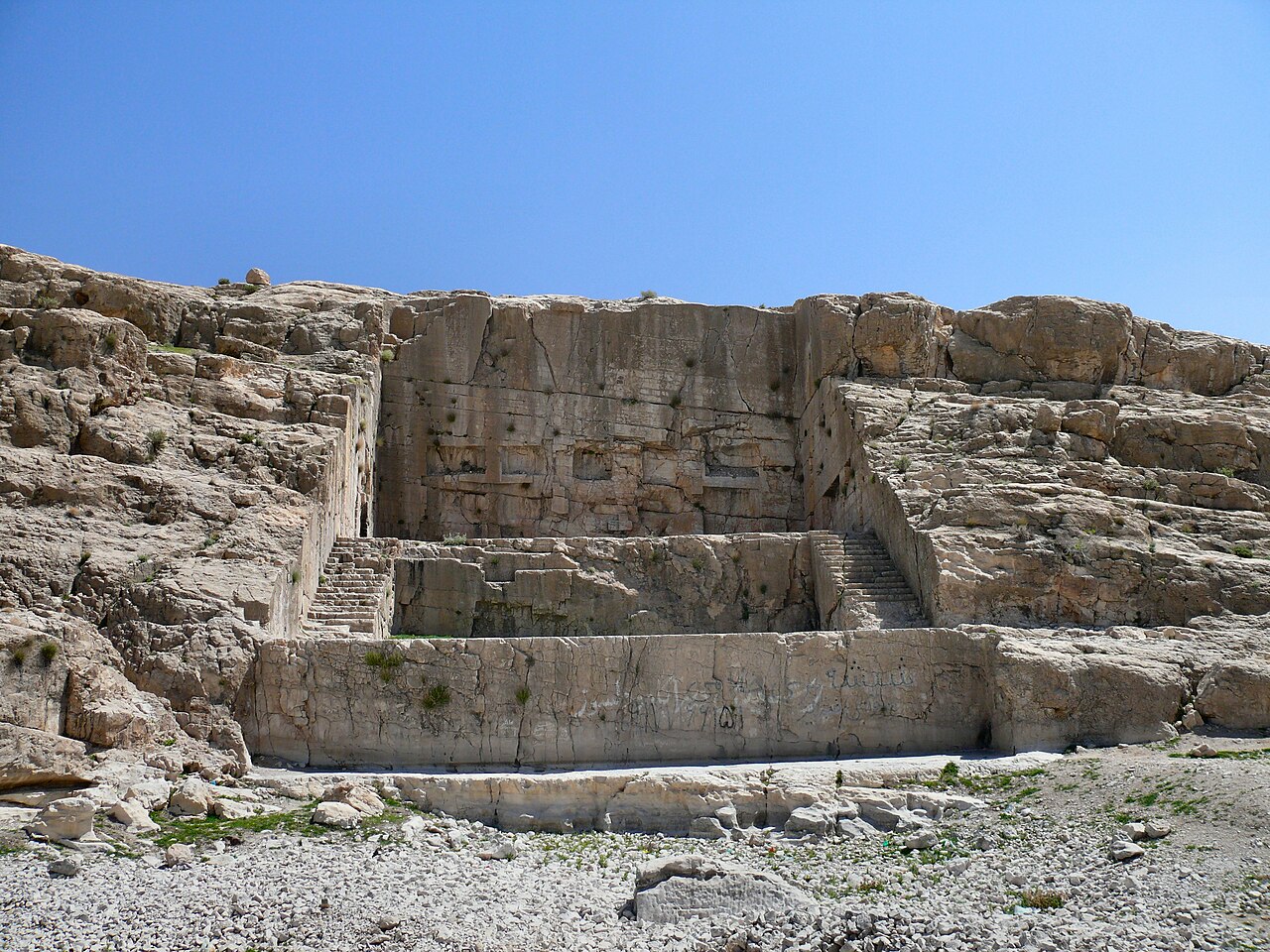
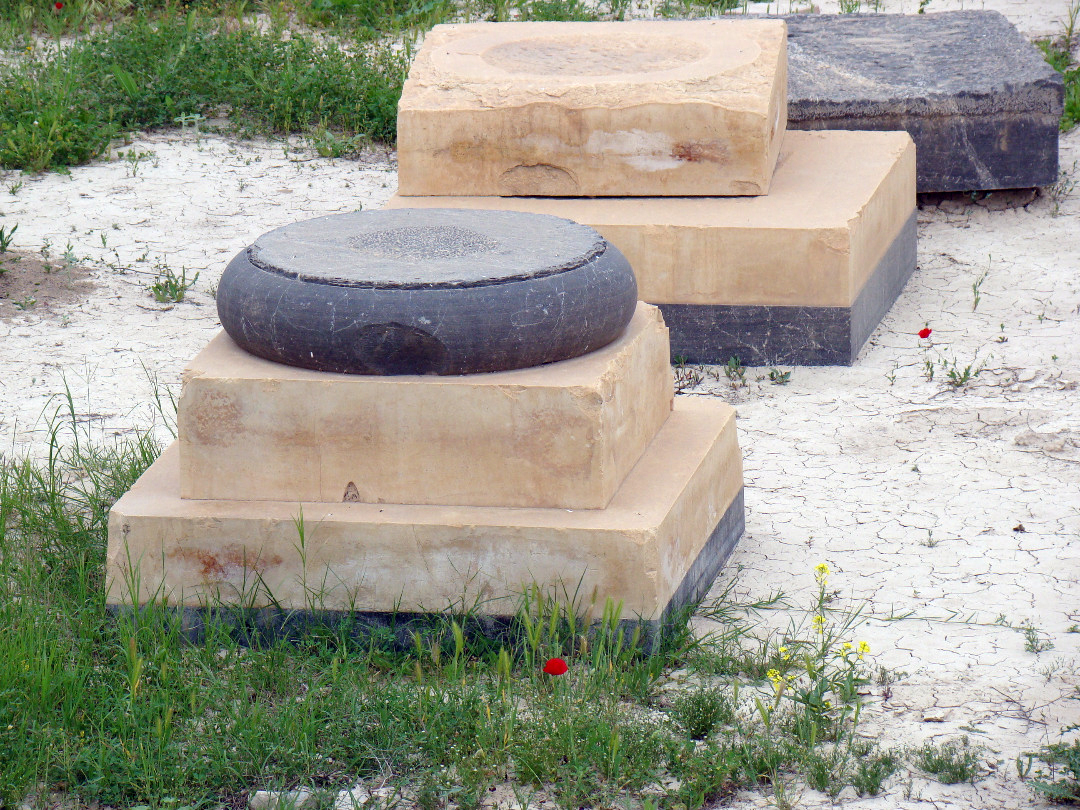
The entire rock-relief has been in a poor and dangerous state of conservation. Despite the highly eroded and damaged bas-reliefs, parts of the monument were in danger of collapsing. This is why a comprehensive conservation and stabilization project (figs. 4 and 5) was undertaken in 2024 to consolidate the monument and safeguard its physical integrity (fig. 6). The project was led by Cyrus Zare, the best senior conservator and restorer of historical monuments in Iran, and sponsored by the Fārs Office of the Iranian Ministry of Cultural Heritage, Tourism, and Handicrafts.
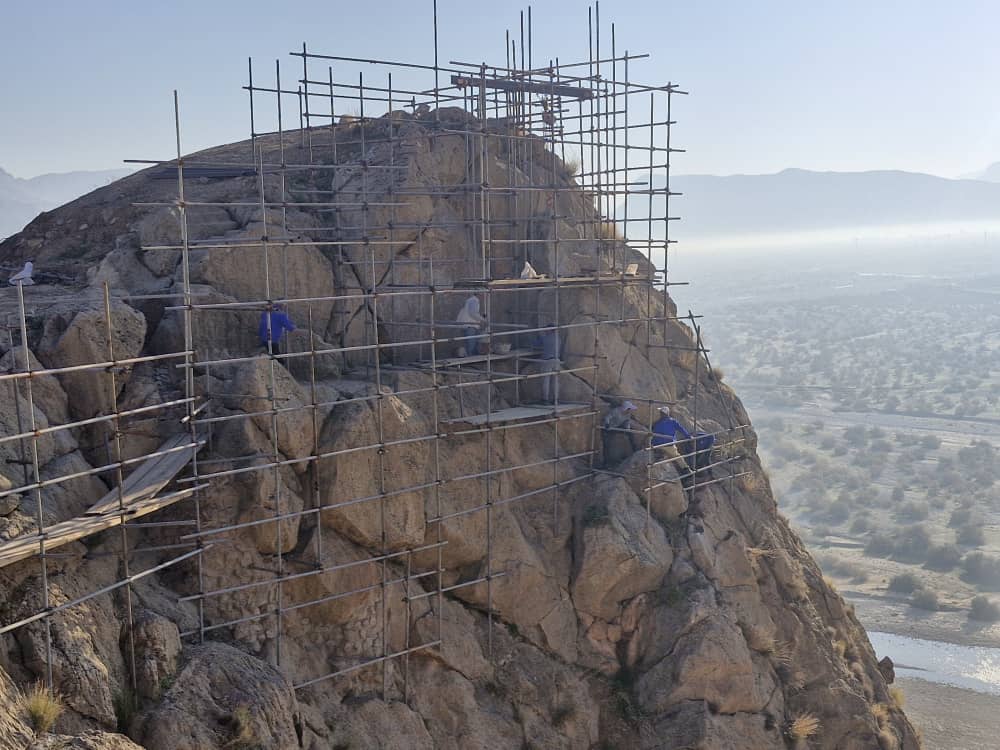
Fig. 4. Restoration work at Kūrāngūn (image: Cyrus Zare)
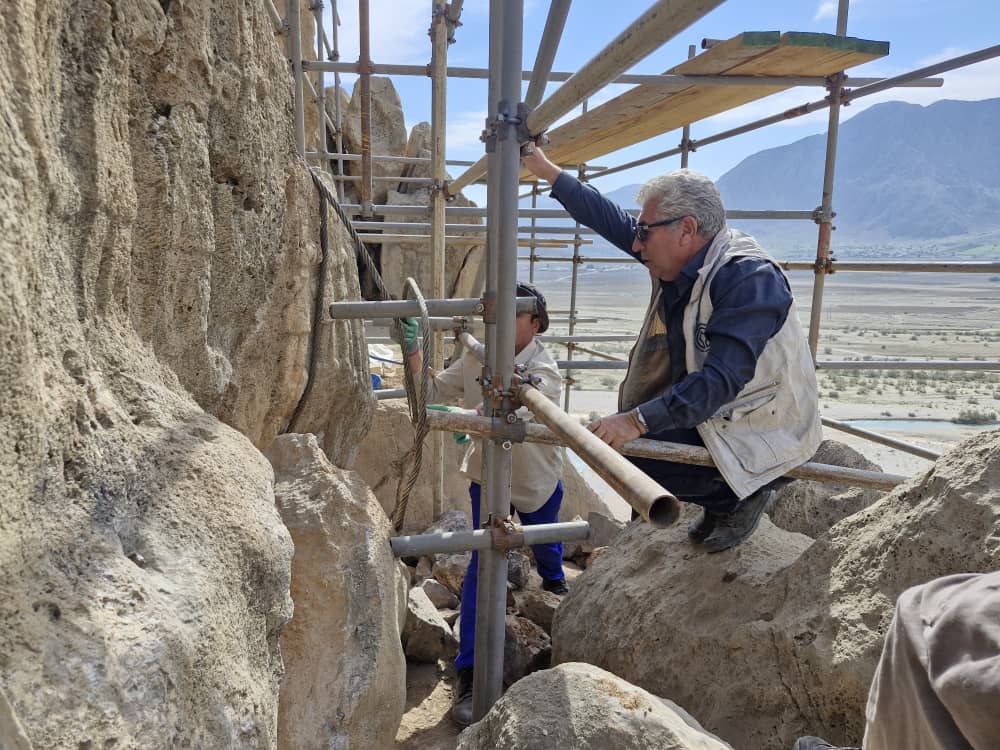
Fig. 5. Restoration work at Kūrāngūn (image: Cyrus Zare)
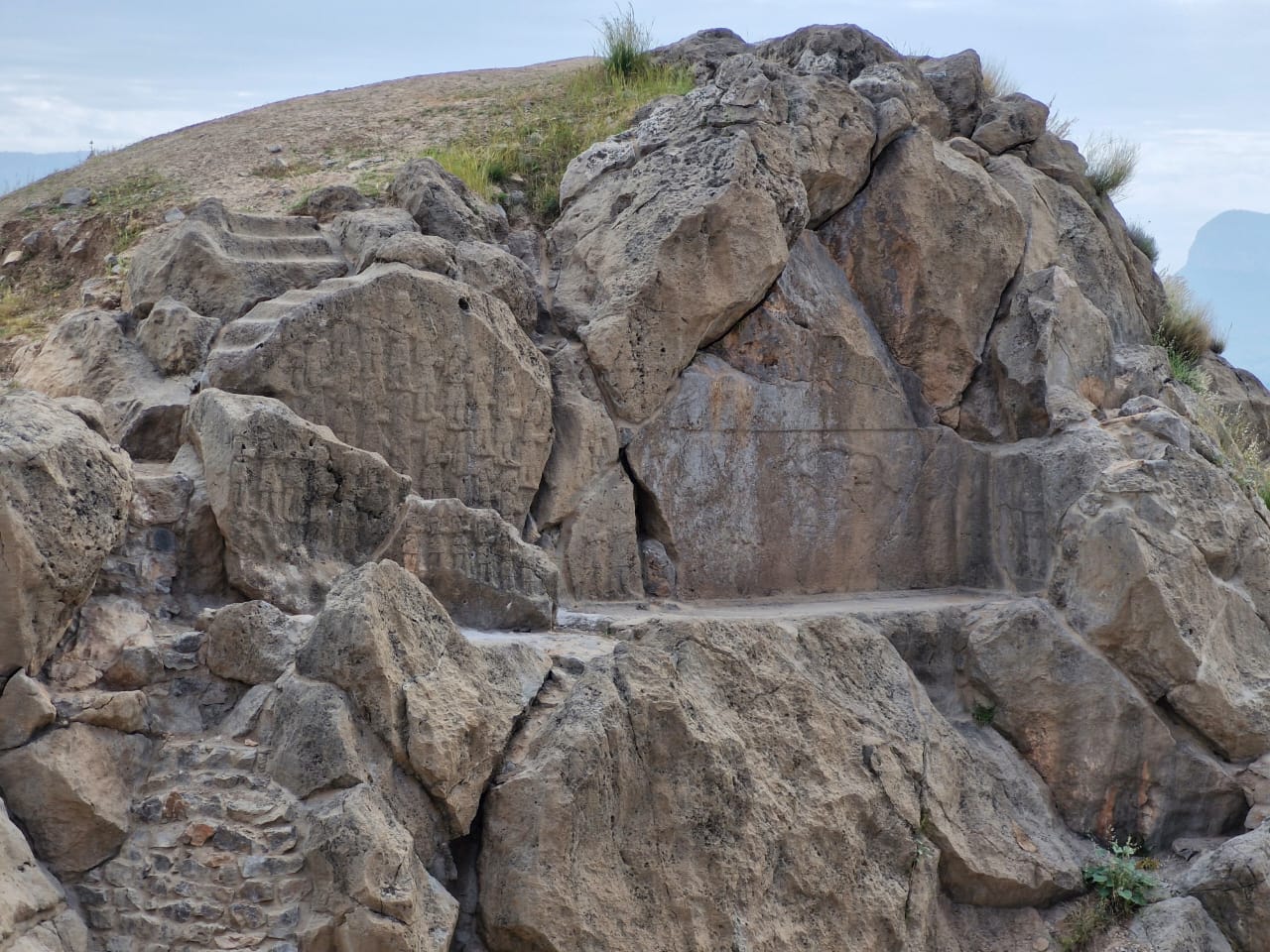
Fig. 6. The Kūrāngūn monument after restoration (image: Cyrus Zare)
Bibliography
Binder, A. B., “Von Susa nach Anšan — zu Datierung und Ursprung des Felsreliefs von Kūrāngūn,” Elamica, vol. 3, 2013, pp. 35-88.
Herzfeld, E., “Reisebericht,” Zeitschrift der Deutschen Morgenländischen Gesellschaft, vol. 80, 1926, p. 259.
Herzfeld, E., Archaeological History of Iran, London, 1935, pp. 4-5, pls. 2-3.
Herzfeld, E., Iran in the Ancient East, Oxford, 1941, pp. 188-189, fig. 304, pls. 33-34.
Kleiss, W., “Kurangun, die Burganlage am elamischen Felsrelief in Südwest-Iran,” Aspects of Art and Iconography: Anatolia and Its Neighbors. Studies in Honor of Nimet Özgüç, edited by Machteld J. Mellink, Edith Porada, and Tahsin Özgüç, Ankara, 1993, pp. 357-360.
Mostafavi, M. T., The Land of Pars, Chippenham, 1978, p. 89, pl. 198.
Potts, D., “KURĀNGUN,” Encyclopaedia Iranica. Published June 29, 2021. https://doi.org/10.1163/2330-4804_EIRO_COM_362422
Seidl, U., Die elamischen Felsenreliefs von Kurangun und Naqs-e Rustam, Iranische Denkmäler, Lieferung 12, Reihe 2, Berlin, 1986.
Stein, A., Old Routes of Western Iran, London, 1940, pp. 36-37, fig. 12.
Vanden Berghe, L., Reliefs rupestres de l’Iran ancien, Bruxelles, 1983, pp. 113-114, fig. 3, pls. 3-4.
Vanden Berghe, L., “Données nouvelles concernant le relief rupestre élamite de Kurangun,” Fragmenta Historiae Elamicae: Mélanges offerts à M. J. Steve, edited by L. de Meyer, H. Gasche, and F. Vallat, Paris, 1986, pp. 157-173.